When Should Puppies Start Wearing Collars?
If you just brought home a new puppy, you probably have a lot of questions running through your mind. One of those questions might be about collars. Should your puppy wear one right away? Is there a perfect time to start? What type of collar works best for a growing pup? These are all great questions, and we’re here to help you find the answers.
The Right Time to Start: Age and Readiness
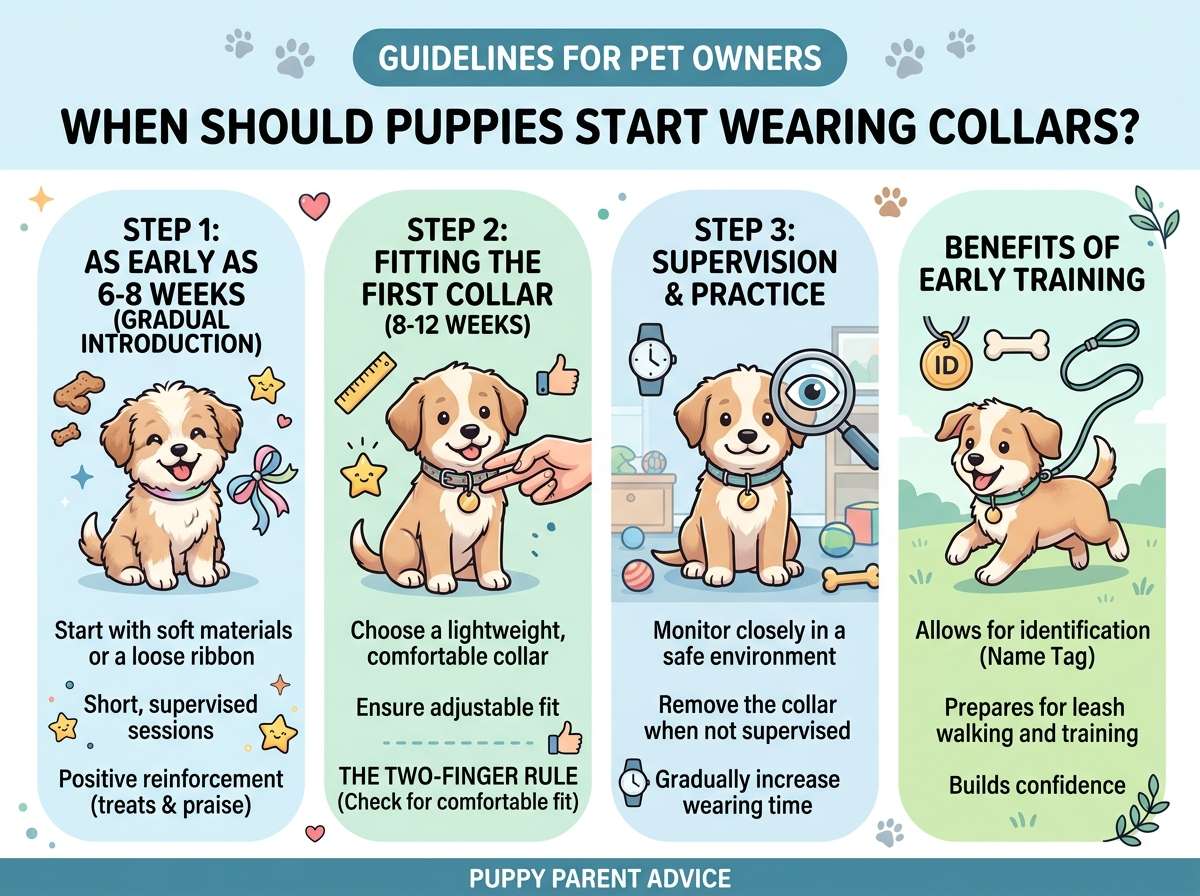
The question of when to put a collar on your puppy isn’t about hitting a magic number. Instead, it’s about your puppy’s physical and mental development. Most puppies can start wearing a collar between 6 and 8 weeks old, but this timing depends on several factors.
Your puppy’s size and breed matter a lot. Small breed puppies might be ready for a collar earlier than their large breed siblings. A tiny Chihuahua at 6 weeks old may be at a good stage to begin, while a Great Dane puppy might benefit from waiting a few more weeks. The key is that the collar should never feel heavy or uncomfortable on your puppy’s delicate neck.
Think about your puppy’s personality too. Some puppies adjust quickly to new things on their bodies, while others take longer to get used to the feeling. If your puppy seems stressed or constantly tries to shake off anything around its neck, you might want to wait another week or two before attempting the collar.
Why Your Puppy Needs a Collar
Before jumping into the how, let’s talk about the why. A collar serves several important purposes in your puppy’s life and safety.
Identification and safety come first. A collar holds ID tags that tell people how to reach you if your puppy ever gets lost. This simple piece of equipment could be the difference between your puppy coming home and becoming a permanent stray. An ID tag with your phone number is truly a lifesaver.
Training and control are huge reasons too. Once your puppy gets older and starts walking on a leash, the collar becomes your main tool for communication and control. Getting your puppy used to wearing a collar early makes training so much easier later on. A puppy that wears a collar from a young age won’t have the shock of a new sensation when you’re trying to teach them to walk on a leash.
Legal requirements in many places demand it. Many cities and towns have laws that say dogs must wear collars and ID tags. Some areas even require microchipping. Starting your puppy with a collar helps you stay on the right side of local laws.
Choosing the Right Collar Size
This is where many new puppy parents make mistakes. Buying a collar that doesn’t fit properly can hurt your puppy or cause them to slip right out of it.
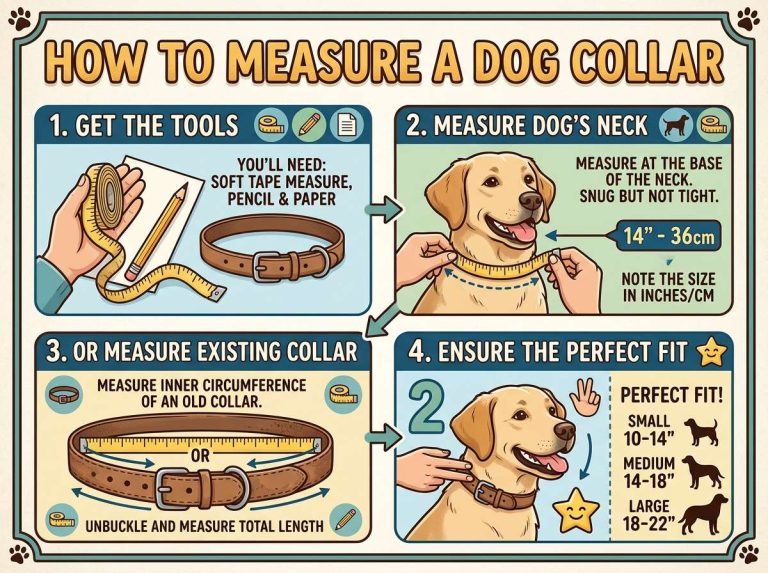
The golden rule is simple: you should fit two fingers under the collar comfortably. When the collar is fastened, slide two of your fingers between the collar and your puppy’s neck. If you can’t fit two fingers, the collar is too tight. If you can fit your whole hand in there, it’s too loose. This two-finger rule gives your growing puppy room to breathe while keeping the collar snug enough that it won’t slide off.
Your puppy will grow fast, so don’t buy a collar that lasts forever. Puppies can gain weight and grow taller at amazing speeds. A collar that fits perfectly this week might be too tight next week. Plan on replacing the collar every 2 to 4 weeks as your puppy grows. This might seem like a lot of buying, but cheap collars are inexpensive anyway, so it’s not a huge financial burden.
Soft collars work better than stiff ones for young puppies. Your puppy’s neck is delicate and still developing. A soft nylon collar or a collar made from soft fabric causes less irritation and discomfort than hard leather or stiff materials. As your puppy grows, you can switch to different materials if you want.
Types of Collars for Puppies
Not all collars are made the same, and different types serve different purposes. Let’s talk about what’s available and what works best for puppies.
Traditional flat collars are the most common choice for puppies. These simple collars wrap around your puppy’s neck and fasten with a buckle or snap. They’re affordable, come in fun colors and patterns, and are easy to adjust as your puppy grows. The ID tags hang from these collars, making them essential for safety.
Adjustable collars are perfect for puppies because they grow so fast. These collars have multiple snap points or adjustable straps, so you can make them bigger as your puppy grows without having to buy a new one. This is a smart choice if you want to save money over a few months.
Soft collars made from materials like fleece or cotton are gentle on developing necks. If your puppy has sensitive skin or spends time playing rough with other puppies, soft collars reduce the chance of irritation or injury.
Training collars and harnesses are something to think about for the future. Harnesses are great for puppies because they distribute pressure across the chest and back instead of putting all the force on the neck. This is especially important for young puppies whose neck muscles are still developing. Many trainers recommend starting with a harness for leash training rather than using a collar alone.
Stay away from choke chains and pinch collars for puppies. These tools can damage a puppy’s delicate throat and neck. Save those for much later, if ever, and only under the guidance of a professional trainer who can teach you to use them properly. Puppies need gentle handling as their bodies develop.
The First Time Your Puppy Wears a Collar
Your puppy might not react well to a collar at first, and that’s totally normal. Some puppies take it in stride, while others get upset or try to shake the collar off constantly. Here’s how to make the first experience positive and stress-free.
Start by letting your puppy sniff and investigate the collar before you put it on. Show them the collar, let them touch it with their nose, and maybe even let them chew on it a little bit. This makes the collar feel less scary and more like an object they’re allowed to interact with.
Put the collar on in a calm, quiet place where your puppy feels safe. Don’t make it a big event or create tension around the experience. If your puppy senses that you’re nervous or excited, they’ll pick up on those feelings and get anxious too. Stay relaxed and act like putting on the collar is no big deal.
Distract your puppy with treats and praise while wearing the collar. The moment you fasten the collar, start giving your puppy treats and saying nice things in a happy voice. This teaches your puppy that wearing the collar leads to good things. If your puppy gets a treat when the collar goes on, they’ll start to look forward to collar time instead of dreading it.
Keep the first wearing short. Don’t leave the collar on for hours on the first day. Try it for just 10 or 15 minutes while you play with your puppy or give them treats. Once your puppy seems okay with it, you can leave it on for longer periods. Gradually build up the time until your puppy wears the collar all day without fussing.
Watch your puppy carefully for signs of stress or discomfort. Some puppies will try to rub the collar off, shake their head constantly, or act clingy. If you see these behaviors, give your puppy a break from the collar and try again in a few days. Every puppy is different, and there’s no rush to force a collar on a puppy who isn’t ready.
What About Puppies That Are Sensitive to Collars
Not all puppies take to collars right away, and some puppies have real trouble with them. If your puppy is in this camp, don’t worry. There are strategies to help.
Use positive reinforcement to build a good relationship with the collar. During times when your puppy isn’t wearing the collar, leave it out where your puppy can see it. Play with your puppy near the collar, pet them, and give them treats while it’s around. Your puppy will start to associate the collar with good things instead of stress.
Try wearing the collar yourself for a few minutes. Some puppies feel better about wearing something if they see their beloved owner wearing it too. It might sound silly, but it actually works for some sensitive pups.
Consider a different style of collar or a harness instead. Maybe your puppy doesn’t like the feeling of something tight around their neck. A harness that spreads the pressure across the chest might feel better. Or perhaps your puppy would prefer a different material or a collar that’s slightly looser.
Work with a trainer if your puppy has extreme anxiety. If your puppy shows signs of real panic or extreme stress around the collar, a professional dog trainer can help you work through this issue. There’s always a solution, and a trainer can give you personalized advice for your specific puppy.
How Long Should Your Puppy Wear a Collar
Once your puppy gets used to wearing a collar, the next question is about timing. Should puppies wear collars all the time?
Puppies can wear collars throughout the day and night once they’re comfortable with them. There’s no rule that says you have to remove the collar at certain times. Many dogs sleep with their collars on without any problems.
Just make sure the collar stays fitting properly. Check the collar regularly since your puppy is growing. You need to adjust it frequently to keep that two-finger fit.
Give your puppy breaks if they seem uncomfortable. Some puppies get a little irritated where the collar rubs against their skin. If you notice redness or your puppy seems uncomfortable, remove the collar for a while and let the skin breathe. You might want to switch to a softer material or adjust the fit.
Remove the collar during playtime with other puppies if it causes problems. Sometimes during rough play, another puppy might grab a collar. While this rarely causes serious injury, it’s something to watch for. If your puppy plays rough with other puppies, you might want to remove the collar during those sessions.
Introducing the Leash to Your Collared Puppy
Once your puppy is comfortable with the collar, you can start thinking about the leash. The leash and collar work together as a team.
Introduce the leash just like you introduced the collar. Let your puppy sniff it, play with it, and get used to seeing it before you attach it to the collar. Make this a positive experience with treats and praise.
Start with short indoor walks before heading outside. Let your puppy walk around the house or a secure yard with the leash attached. This lets them get used to the feeling of being connected to you without the excitement and distractions of the outside world.
Never use the leash to punish or scare your puppy. Pulling on the leash when your puppy is scared or confused teaches them that the leash means bad things happen. Instead, use treats and gentle guidance to teach your puppy to walk with you.
Keep leash sessions fun and short in the beginning. Your puppy has a short attention span. A 5 or 10 minute leash walk is enough for a young puppy. As they grow and build endurance, you can make walks longer and more adventurous.
Growing Into Bigger Collars: What to Expect
As your puppy grows, you’ll need to move up in collar sizes. This is totally normal and part of raising a puppy.
Large breed puppies grow incredibly fast. If you have a German Shepherd, a Labrador, or another large breed, you might need to size up in collars every couple of weeks. It’s shocking how quickly they can grow, so stay on top of checking the fit regularly.
Small breed puppies might not need as many size changes. Toy breeds reach their full size relatively quickly compared to large breeds. You might only need 2 or 3 collars total instead of 5 or 6.
Keep a measuring tape handy to check your puppy’s neck size. Measure around your puppy’s neck regularly so you know when it’s time to size up. This helps you catch when the collar is getting too tight before your puppy gets uncomfortable.
Save the old collars if you want. Some people like to keep a small collection of their puppy’s first collars as a fun memory. It’s kind of cute to look back at how tiny the first collars were.
Special Considerations for Different Puppy Types
Not all puppies are the same, and some breeds or individual dogs have special needs when it comes to collars.
Puppies with long hair or thick coats might find collars more irritating because the hair can get matted where the collar sits. You might want to brush the area regularly or use a softer collar material. Some people even use a thin cloth between the collar and the puppy’s neck to prevent matting.
Puppies prone to skin problems need extra attention around the collar area. If your puppy is scratching a lot or developing red spots, remove the collar and give the skin a break. Talk to your vet about whether a different material might work better.
Puppies with flat faces, like Bulldogs and Pugs, sometimes have breathing issues. A loose collar or harness is better than a snug one for these breeds. Make sure the fit is comfortable and never tight.
High-energy puppies might fight the collar more than laid-back puppies. These guys are busy exploring the world and might see the collar as an obstacle. Extra positive reinforcement and patience will help them adjust.
When to See a Vet About Collar Issues
Sometimes a puppy has a real problem with wearing a collar, and you should talk to your veterinarian about it.
If your puppy develops redness, hair loss, or skin irritation around the neck, that’s a sign something isn’t right. Remove the collar and call your vet. They might recommend a different material or help you figure out what’s causing the problem.
If your puppy constantly gags or acts like they can’t breathe, the collar is probably too tight. Adjust it immediately and check that two-finger rule again.
If your puppy shows signs of extreme anxiety or panic related to the collar, your vet can rule out medical problems and might recommend working with a trainer. Sometimes anxiety has an underlying medical cause that needs treatment.
If your puppy gets injured somehow involving the collar, contact your vet right away. Injuries around the neck need professional evaluation.
Preparing for Your Puppy’s Future Without Collars
Here’s something many people don’t think about: some dogs don’t need to wear collars all the time as they get older.
Dogs who live in secure, fenced yards might spend a lot of time without collars. Some owners remove the collar when their dog is safely home, just to give the neck a break from the constant pressure.
Indoor dogs might not need to wear collars at home. If your dog never goes outside unsupervised and you have proper ID indoors, a collar might not be necessary all the time. Still, many owners prefer their dogs to always wear a collar with ID tags just in case.
Dogs who spend time in a dog park or around other dogs might benefit from collar-free time. Some dogs grab at collars during play, so removing it during these times prevents injuries.
Microchipping: The Modern Alternative
As your puppy grows, you might want to think about microchipping as a backup ID method.
A microchip is a tiny device inserted under your puppy’s skin by a veterinarian. It contains a unique number that connects to your contact information in a national database. If your puppy gets lost and a shelter or vet scans them, they can find your information and contact you.
Microchipping doesn’t replace a collar and ID tags, but it’s an excellent backup. Someone who finds your puppy might not take them to a vet for scanning, but a collar with tags might get them to call you right away.
Most vets recommend waiting until your puppy is a few months old before microchipping, though some will do it earlier. Talk to your vet about the best timing for your puppy.
Key Takeaways About Puppy Collars
Let’s sum up what you need to know about getting your puppy used to wearing a collar.
Start collar training around 6 to 8 weeks of age, but adjust based on your puppy’s size and personality. Get the fit right by using the two-finger rule, and plan to buy new collars regularly as your puppy grows. Make the first experience positive by using treats and praise, and be patient if your puppy needs extra time to adjust. Keep an eye on the collar fit and skin health, and remove the collar if your puppy shows signs of discomfort or irritation.
Remember that every puppy is unique. What works for one might not work for another. Stay flexible, be patient, and don’t hesitate to ask your vet or a trainer for advice if you’re struggling.
Final Thoughts
Putting a collar on your puppy is one of the first big steps in responsible dog ownership. It might seem like a simple thing, but this single piece of equipment protects your puppy, helps with training, and keeps them safe if they ever get lost.
Take your time, introduce the collar with love and patience, and celebrate your puppy’s adjustment to this new piece of their life. Before you know it, your puppy will be so used to the collar that they won’t remember what it was like without one.
And that’s when you know you’ve done it right. Your puppy is on their way to being a safe, well-adjusted member of the family. Good luck with your new furry friend, and enjoy every moment of the puppy stage. It goes faster than you’d think.
Hi, I’m Mary, the founder of PetGadgetPro.com. I’m a passionate pet lover with a special place in my heart for dogs and cats. I share practical advice and honest insights on pet gear to help pet parents make better choices. My dedicated research team studies products in depth, and our writers create reviews using trusted, authentic sources—so you can feel confident choosing the best for your pets.