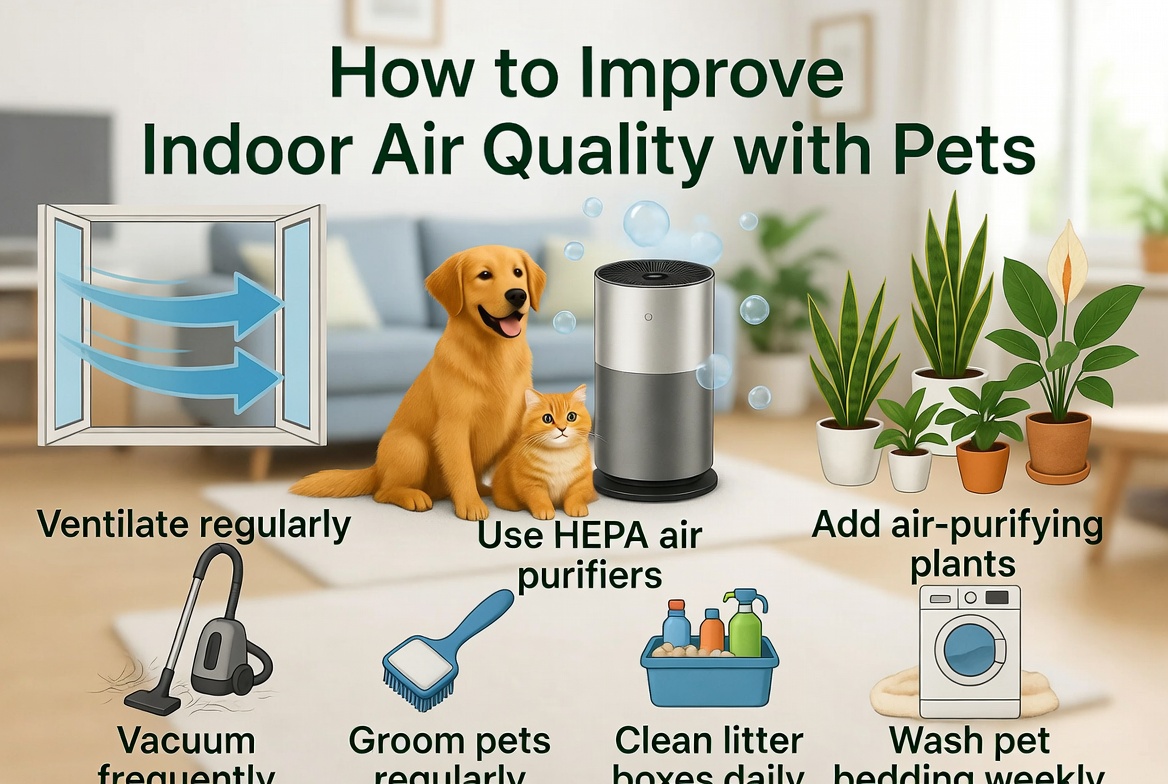
How to Improve Indoor Air Quality with Pets?
Having pets at home brings joy, companionship, and endless entertainment. But let’s be honest—pets can make the air in your house a little rough to breathe. Your furry friends shed hair, dander, and odors that float around your space all day long. The good news? You can absolutely improve your indoor air quality and keep your pet-loving home fresh and healthy.
This guide walks you through proven ways to keep your home’s air clean while your pets live their best lives. We’ll cover everything from simple daily habits to smart equipment choices that really work.
Why Pet Owners Need Better Air Quality Management
The air inside your home can be two to five times more polluted than outdoor air, even when you don’t have pets. Add a dog, cat, bird, or other animals into the mix, and things get more complicated fast.
Pets release several things into your air that affect indoor air quality:
Pet dander sits at the top of the list. This is dead skin cells that flake off your pet’s body constantly. These tiny particles float in the air and settle on surfaces. Many people react to dander with allergies, sneezing, itchy eyes, and stuffy noses.
Pet hair doesn’t just stick to your clothes. Strands float through the air and collect in corners, under furniture, and in air vents. Hair traps dust and other particles, making air quality worse.
Odors from pets come from their skin, fur, saliva, and waste. These smells build up over time and make your home feel stale and unpleasant.
Bacteria and mold spores can grow in areas where pets spend time, especially if there are accidents or damp spots. These tiny organisms float in the air and can make people sick.
Breathing unhealthy air affects your health. You might feel tired, get headaches, develop respiratory issues, or experience allergy symptoms. Kids and seniors face bigger risks. Even if you don’t notice problems, poor air quality still affects your body over time.
The solution isn’t getting rid of your pet. It’s taking smart steps to clean and refresh your indoor air while keeping your furry companion close.
Start with Daily Cleaning Habits
The easiest way to improve air quality costs nothing but your time. Daily cleaning tackles pet problems right at the source.
Brush your pet regularly. This is the single best thing you can do. When you brush your pet outside, you catch loose hair and dander before they float into your home. Brush your dog several times a week, and your cat at least twice a week. Dogs with longer coats need more frequent brushing. If your pet hates brushing, start slow with short sessions and use treats to build positive feelings about it.
Brushing does more than remove hair. It spreads natural oils through your pet’s coat, reducing dry skin and flaking. Healthier skin means less dander in the air. Win-win.
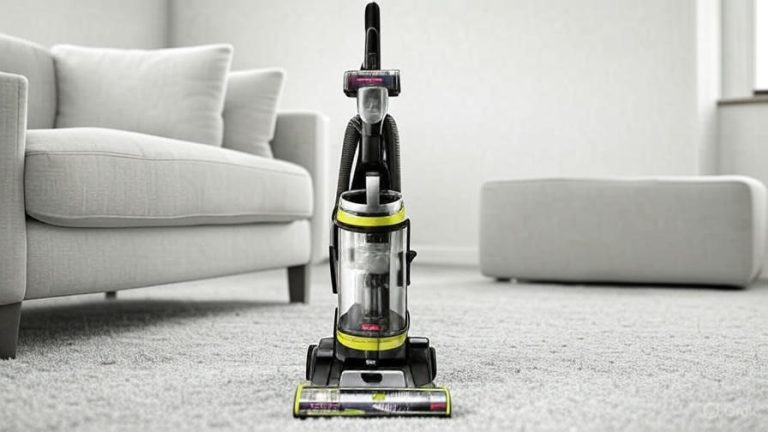
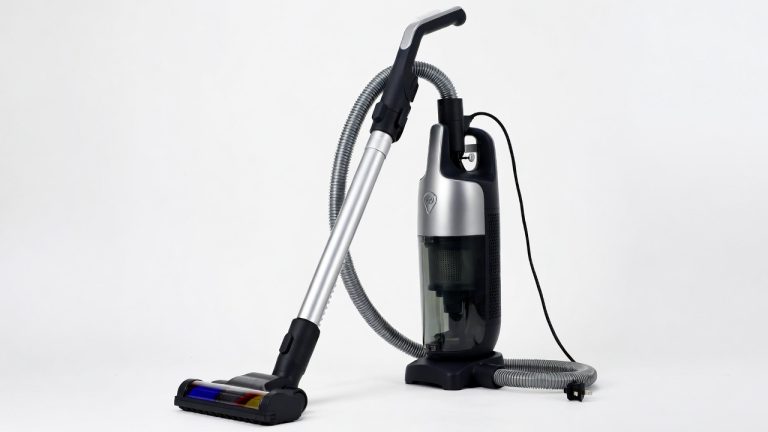
Vacuum the right way. Regular vacuuming removes pet hair and dander from floors and carpets. But not all vacuums work equally. Get a vacuum with a HEPA filter—this catches tiny particles that regular filters let pass through. Vacuum high-traffic areas twice a week and the whole house once a week if you have pets.
Vacuum under furniture and in corners where pet hair accumulates. These spots are often forgotten but collect the most mess. Move your furniture and vacuum underneath monthly.
Wash pet bedding weekly. Your pet’s bed becomes a hotspot for dander, hair, dead skin cells, and bacteria. Wash bedding in hot water once a week to kill germs and remove accumulated materials. Use unscented detergent to avoid adding harsh chemicals to your home.
Wipe surfaces often. Dust settles on tables, shelves, and other surfaces. Pet dander sticks to this dust. Use a damp cloth to wipe surfaces two or three times a week. Damp cloths trap particles instead of just moving them around like dry dusting does.
Clean pet toys and accessories. Pet toys collect germs and become sources of odors. Wash soft toys in the washing machine weekly. Plastic toys can go in the dishwasher or get wiped with a damp cloth. Rope toys should be rinsed under running water and left to dry completely.
Deal with accidents immediately. Pet urine and feces carry bacteria that make air quality worse. Clean accidents right away with enzymatic cleaners that break down the biological matter completely. Regular cleaners just cover up smells; enzymatic cleaners remove the cause.
Invest in Air Purifiers Built for Pet Owners
Air purifiers work while you sleep and while you work. They pull air through filters that trap pet hair, dander, and odors. Not all air purifiers help with pets equally, so pick the right one.
Look for HEPA filters. HEPA stands for High-Efficiency Particulate Air. These filters catch 99.97% of particles 0.3 microns or larger. Pet dander is 0.5 to 10 microns, so HEPA filters trap most pet particles. Check that your air purifier uses true HEPA filters, not “HEPA-type” filters, which are much weaker.
Carbon filters tackle odors. HEPA filters capture particles but don’t remove odors. Activated carbon filters absorb pet smells and other odors. The best air purifiers combine HEPA and carbon filters for complete pet air cleaning.
Consider the room size. Air purifiers have coverage areas measured in square feet. A unit rated for 300 square feet won’t clean a 500-square-foot room effectively. Pick a purifier that matches your space. If you have a large home, run multiple smaller units or get one large purifier for the main living area.
Check the air change rate. This tells you how many times per hour the unit cleans all the air in the room. For homes with pets, aim for four to five air changes per hour. This means all air gets filtered four to five times daily. Higher rates mean faster odor and dander removal.
Pre-filters extend filter life. Some purifiers have a pre-filter that catches large particles like pet hair. This protects the HEPA filter from clogging quickly and saves you money on replacements. Check if your chosen unit has this feature.
Run your air purifier continuously, or at least during the times you spend most time at home. Running it 24/7 costs money but keeps air quality highest. Running it eight to ten hours daily makes a noticeable difference. Find the balance that fits your budget and schedule.
Use Fans and Increase Air Circulation
Moving air helps remove pet odors and prevents particles from settling. Stagnant air makes smells stronger and lets dander accumulate in corners.
Open windows when weather allows. Fresh outside air is the original air purifier. Open windows for fifteen to thirty minutes daily when the temperature is comfortable. This exchanges indoor air for outdoor air and removes trapped odors. In warm months, do this more often. In cold months, do it briefly but regularly.
Use ceiling fans. Ceiling fans push air around the room and help air purifiers work better. Run ceiling fans during the day to keep air moving. This prevents dander from settling on surfaces and helps disperse pet odors throughout the house instead of letting them concentrate in one spot.
Position box fans strategically. Box fans pointed out a window help pull stale air outside. Place a box fan in a window with the fan facing out. This creates negative pressure that pulls air out of the room, drawing fresher air in through other openings.
Don’t block vents. Your home’s heating and cooling system includes vents. Keep these clear so air flows freely. Blocked vents create dead zones where air sits still and odors build up. Make sure furniture and boxes don’t cover vents or returns.
Air circulation works best combined with other methods. A fan alone won’t remove pet dander or odors, but it helps your other efforts work better.
Choose Flooring That Helps with Pet Air Quality
Your floors collect pet hair and dander. The type of flooring you have affects how much gets stirred back into the air.
Hard flooring is your friend. Wood, laminate, vinyl, and tile don’t trap particles like carpet does. Hair and dander sit on top where you can see and vacuum them. These surfaces are easier to clean thoroughly. When you vacuum, you actually remove particles instead of pushing them deeper into fibers.
Hard floors also don’t harbor bacteria and dust mites the way carpet does. They’re simpler to keep clean and less likely to become sources of odors.
Low-pile or no carpet in pet areas. If you have carpeting, keep it away from where pets spend most time. Use rugs in pet areas instead. Rugs are easier to clean and shake out regularly. Replace them when they become too worn to wash effectively.
Use washable rugs. Rugs you can throw in the washing machine are great for pet homes. They trap hair and dander but get cleaned weekly. Washable runner rugs in hallways and doormats at entrances catch pet mess before it spreads through your home.
Seal grout in tile. Tile is easy to clean, but unsealed grout traps dust and bacteria. Seal grout lines to make cleaning easier and prevent odors from building up in cracks.
Flooring choices that work with pet odor control make your whole job easier.
Keep Your Pet Clean and Healthy
A clean pet has less dander and odor in your home. Grooming your pet isn’t just cosmetic—it directly improves indoor air quality.
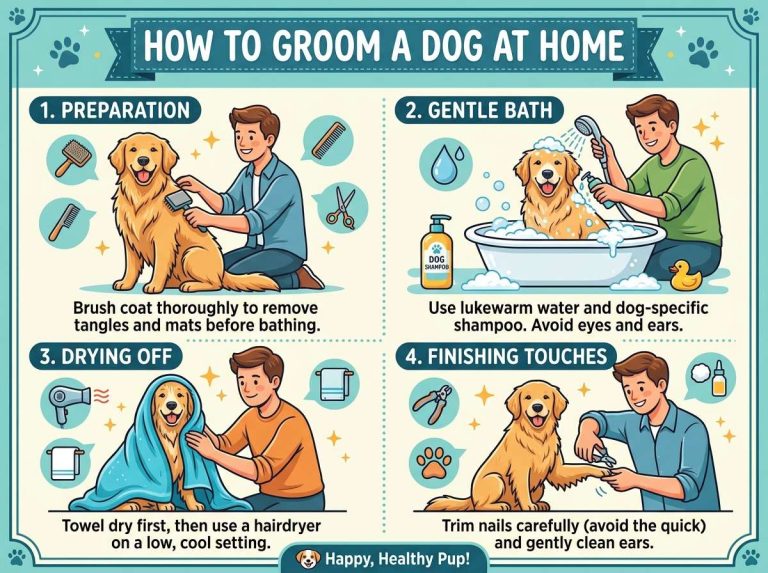
Bathe your pet regularly. How often depends on your pet’s breed and activity level. Dogs typically need baths every four to six weeks, but some breeds need more frequent bathing. Cats usually groom themselves but benefit from occasional baths if they go outside.
Bathing removes dead skin, oils, and dirt that shed into your air. Use a gentle pet shampoo and lukewarm water. Avoid bathing too frequently, which dries skin and increases dander.
Get professional grooming. Professional groomers have the right tools to bathe and dry your pet thoroughly. They remove mats and tangles where odors build up. For long-haired pets, professional grooming reduces shedding for weeks after the appointment.
Brush teeth regularly. Pet breath odor comes from bacteria in their mouth. Brush your pet’s teeth several times a week with pet toothpaste. This keeps breath fresh and prevents odor from spreading through your home.
Check for skin issues. Dry, itchy, or infected skin produces more dander and smell. If your pet scratches constantly or has visible skin problems, see a vet. Treating skin conditions reduces odor and dander significantly.
Maintain good nutrition. Healthy food supports healthy skin and coat. A pet with a poor diet often has dry, flaky skin and stronger odors. Ask your vet about the right food for your pet’s age and health status.
Make Your Bedrooms Pet-Free Zones
Your bedroom is where you spend a third of your life. The air quality there directly affects your sleep and health.
Keep pets out of bedrooms. If your pet sleeps in your bedroom, odors and dander concentrate there. You breathe this air all night long. Move your pet’s sleeping area to another room, even if they protest at first.
Keep bedroom doors closed. A closed door stops pet hair and dander from floating into your bedroom while you sleep. It also contains any pet odors to other parts of your house.
Wash bedding weekly. Even with pets out of your bedroom, pet hair and dander drift in. Wash your sheets, pillowcases, and blankets in hot water once a week. This removes accumulated particles and keeps your sleep area fresh.
Your bedroom should be your sanctuary for clean air. This simple change often makes a huge difference in sleep quality and morning allergies.
Consider Specialized Products for Pet Odor Control
Beyond air purifiers, several products help control pet odors and improve air quality.
Enzymatic cleaners break down odors. These contain live bacteria that eat organic matter causing smells. Use them on any spot your pet has had an accident, even old spots. They permanently remove odors instead of just masking them.
Baking soda absorbs odors. Sprinkle baking soda on carpets, furniture, and pet bedding. Let it sit for fifteen minutes, then vacuum thoroughly. Baking soda is cheap, safe, and effective. Use it in litter boxes too—it absorbs ammonia odors naturally.
Charcoal filters remove odors. Activated charcoal works like the carbon filters in air purifiers. Place charcoal bags near your pet’s sleeping area or in the bathroom. They absorb odors over time. Replace them when they stop working.
Pet-safe air fresheners. Avoid chemical air fresheners that can harm pets. Use pet-safe options or stick with natural methods like opening windows and using baking soda.
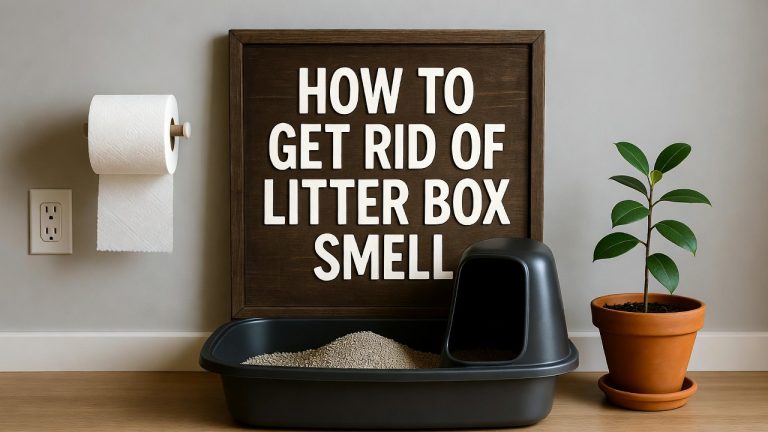
Litter box odor control. If you have cats, the litter box is your biggest odor source. Use clumping litter and scoop daily. Some litters have odor-control additives. Keep the box in a well-ventilated area away from living spaces.
These products work best combined with other methods rather than alone.
Monitor and Test Your Home’s Air Quality
You can’t improve what you don’t measure. Tracking your home’s air quality helps you see what works.
Use air quality monitors. Affordable devices measure particles in your air. They show PM2.5 levels (fine particles) and sometimes other pollutants. Check readings in different rooms to find problem areas. Run these monitors before and after making changes to see results.
Trust your nose. Your sense of smell tells you a lot. If your home smells fresh, the air is probably improving. If odors persist despite your efforts, you need stronger measures.
Notice allergy changes. If people in your home sneeze less, have fewer itchy eyes, or sleep better, air quality is improving. These signs matter more than perfect measurements.
Keep a simple log. Write down when you vacuum, run the air purifier, bathe your pet, and other actions. Note any changes in how you feel or how the home smells. Over weeks, patterns emerge showing what works best.
Small improvements add up. Don’t get frustrated if everything doesn’t improve overnight. Real change takes time and consistency.
Build a Pet-Friendly Air Quality Routine
Success comes from building habits, not from one big effort. Create a routine you can actually stick with.
Daily habits:
- Brush your pet for five to ten minutes
- Run your air purifier
- Do a quick spot check for accidents and clean immediately
- Open windows briefly if weather permits
Weekly habits:
- Vacuum thoroughly
- Wash pet bedding
- Wipe surfaces with damp cloth
- Bathe your pet if needed
- Shake out any rugs
Monthly habits:
- Vacuum under furniture
- Clean air purifier filters or replace them
- Deep clean any pet areas
- Check your pet’s skin and coat health
Every few months:
- Have your pet professionally groomed
- Replace air purifier filters if they’re dirty
- Seal any new cracks where odors might hide
Write your routine somewhere visible. A checklist on the fridge reminds you to stay consistent. When habits become automatic, you don’t have to think about them anymore.
Address Specific Pet Types
Different pets create different challenges.
Dogs shed heavily and track dirt inside. Brush them multiple times weekly, keep them out of bedrooms, and clean their paws when they come inside. Use doormats to catch dirt before it spreads.
Cats use litter boxes that create odors. Scoop daily, use quality litter, and place boxes far from living spaces. Their scratching posts accumulate odors—clean or replace them regularly.
Birds create dust that affects air quality. Use air purifiers with pre-filters rated for bird dust. Keep their cages away from living areas and change bedding frequently.
Rabbits and small pets produce ammonia-heavy urine. Use absorbent bedding, scoop daily, and ensure good ventilation in their area.
Fish produce fewer air quality issues but need well-maintained tanks to prevent algae and bacterial odors.
Know your pet’s specific odor and shedding patterns to target your efforts effectively.
When to Get Professional Help
Sometimes professional help speeds up improvement.
Professional air duct cleaning. Over time, pet hair and dander accumulate in air ducts. Professional cleaning removes this buildup. This is especially helpful if you’ve had pets for years and feel like air quality plateaus.
Professional carpet cleaning. Deep cleaning removes odors from carpet fibers that regular vacuuming misses. Professional services use hot water extraction that kills bacteria and removes trapped odors.
Vet consultation. If your pet sheds excessively or has strong odors, talk to your vet. Skin conditions, infections, or nutritional issues might be the real cause.
HVAC maintenance. An HVAC technician can check your heating and cooling system, replace filters, and ensure air flows properly throughout your home.
These services cost money but deliver results you can’t achieve alone.
Combine Methods for Best Results
Using one method helps, but combining several methods works best. Here’s a complete approach:
Start with daily brushing and weekly vacuuming. Add an air purifier to handle particles floating in the air. Open windows regularly to bring in fresh air. Bathe your pet on schedule and keep their skin healthy. Keep pets out of bedrooms. Use enzymatic cleaners for any accidents. Run ceiling fans to keep air moving.
This combination tackles the problem from every angle. Hair and dander get removed before entering air. What does float gets filtered. Odors get absorbed and broken down. Air stays fresh and moving.
You might think this seems like a lot of work. The good news is that once you build the routine, it becomes second nature. You spend maybe an hour per week on dedicated pet air quality tasks. Compare that to dealing with poor health, allergies, or living in a smelly home. The time investment pays off in comfort and well-being.
Final Thoughts on Living Well with Pets
Pets are worth the extra effort to maintain good air quality. The relationship between you and your pet is built on the time you spend together in your home. Making that space as healthy and pleasant as possible makes everything better.
Start today with whatever action feels easiest for you. Maybe that’s buying a good air purifier, or maybe it’s committing to daily brushing. Take one small step and build from there. In a few weeks, you’ll notice your home smells fresher, people sneeze less, and overall comfort improves.
Your pet loves you unconditionally. Show them love back by creating a healthy environment where you both can thrive. Clean air is a gift you give yourself and your furry companion.
Hi, I’m Mary, the founder of PetGadgetPro.com. I’m a passionate pet lover with a special place in my heart for dogs and cats. I share practical advice and honest insights on pet gear to help pet parents make better choices. My dedicated research team studies products in depth, and our writers create reviews using trusted, authentic sources—so you can feel confident choosing the best for your pets.