How to Feed a Kitten?
So you just brought home an adorable little furball. Congrats! Now comes the fun part – figuring out what to feed this tiny creature. Don’t worry. Feeding a kitten isn’t rocket science. But you do need to know a few important things to keep your new friend healthy and happy.
Why Kittens Need Special Food
Baby cats aren’t just smaller versions of adult cats. Their bodies are growing super fast. Think about it – a kitten can double its weight in just the first week of life. That’s insane growth!
This rapid development means kittens need way more calories than grown cats. They also need specific nutrients to build strongs, muscles, and organs. Regular cat food just won’t cut it for these little ones.
Your kitten’s diet affects everything. Good nutrition helps them develop:
- Strong teeth and bones
- Healthy eyesight
- A shiny coat
- A robust immune system
- Proper brain development
Feed them right, and you’re setting them up for a long, healthy life.
How Old Is Your Kitten?
Age matters a lot when it comes to feeding. What works for a newborn won’t work for a three-month-old. Let’s break this down by age.
Newborn to Four Weeks Old
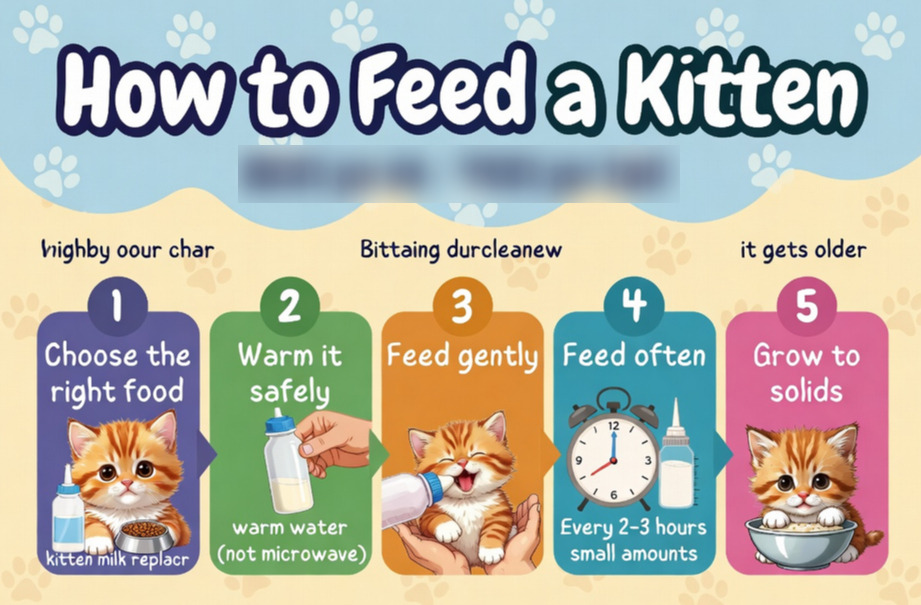
These tiny babies should still be with their mom. Mother’s milk gives them antibodies and perfect nutrition. If you’re caring for an orphaned newborn, you’ll need to bottle-feed them special kitten milk replacer.
Never give cow’s milk to kittens. It causes diarrhea and tummy troubles. Their digestive systems can’t handle it.
Newborns need to eat every two to three hours, even through the night. Yes, that means setting alarms. It’s exhausting, but it’s what keeps them alive.
Four to Eight Weeks Old
Around four weeks, kittens start the weaning process. They begin to eat solid food while still nursing. This is a gradual shift.
Start by offering wet kitten food mixed with a bit of milk replacer. Make it soupy at first. As days go by, make it thicker. They’ll get the hang of eating solid food pretty quickly.
At this stage, they still need to eat four to five times per day. Their stomachs are tiny, so they can’t eat much at once.
Eight Weeks to Six Months Old
By two months, most kittens are fully weaned. They’re eating only solid food now. But they still need to eat frequently – about three to four times daily.
This is when growth really takes off. Your kitten might seem like a bottomless pit. That’s normal! They need lots of fuel for all that playing and growing.
Six Months to One Year
At six months, you can switch to feeding twice daily. Your kitten is slowing down a bit on the growth front, but they’re still technically a kitten until they hit one year old.
Keep them on kitten food until they reach adulthood. Switching too early means they miss out on vital nutrients.
Wet Food vs. Dry Food: What’s Better?
This debate never ends among cat owners. The truth? Both have benefits.
The Case for Wet Food
Wet food is closer to what cats would eat in nature. It has tons of moisture, which is great because cats often don’t drink enough water. This helps prevent kidney problems and urinary issues down the road.
Kittens usually love the taste and texture of wet food. It’s easy to eat, especially for tiny mouths and developing teeth. The strong smell also attracts picky eaters.
Wet food tends to have more protein and fewer carbs than dry kibble. Cats are carnivores, so this matches their natural diet better.
The downside? It spoils quickly once opened. You can’t leave it out all day. And it’s usually more expensive than dry food.
The Case for Dry Food
Dry kibble is convenient. You can leave it out without it going bad. It’s cheaper. And crunching on kibble might help keep teeth cleaner.
Good quality dry kitten food still provides complete nutrition. Many kittens do perfectly fine on it.
The main issue is the low moisture content. If your kitten eats mostly dry food, make sure they drink plenty of water.
The Best Answer? Combine Them
Most vets suggest feeding both wet and dry food. Give wet food at meal times and leave out some dry kibble for snacking. This gives your kitten variety and combines the benefits of both.
Your kitten gets moisture from wet food but can also munch on kibble between meals. Win-win.
How Much Should You Feed Your Kitten?
This depends on age, size, and activity level. But here are general guidelines.
Very young kittens (under eight weeks) need about one ounce of formula per ounce of body weight daily. Split this into multiple small meals.
For kittens eating solid food, check the feeding guide on your cat food package. These guidelines are based on weight and age. Start there, then adjust based on your kitten’s needs.
Most kittens aged two to six months need about 200-250 calories daily. Active kittens might need more. Lazy nappers might need less.
Here’s the thing – don’t obsess over exact amounts. Watch your kitten’s body condition instead. You should be able to feel their ribs easily but not see them. They should have a slight waist when viewed from above.
If your kitten is getting chubby, cut back a bit. If they’re looking too thin or seem constantly hungry, feed them more. Every kitten is different.
Creating a Feeding Schedule
Kittens thrive on routine. Feed them at the same times every day. This helps with digestion and litter box training too.
For young kittens (two to four months), try this schedule:
- 7 AM – Breakfast
- 11 AM – Mid-morning snack
- 3 PM – Afternoon meal
- 7 PM – Dinner
As they get older (four to six months), drop to three meals:
- 8 AM – Breakfast
- 1 PM – Lunch
- 6 PM – Dinner
After six months, switch to twice daily:
- Morning meal
- Evening meal
Keep dry kibble available between meals if you want. Just don’t overdo it on the portions.
What to Look for in Kitten Food
Not all kitten foods are created equal. Here’s what to check on the label.
Protein First
Look for real meat as the first ingredient. Chicken, turkey, salmon, or other animal proteins should top the list. Avoid foods where corn, wheat, or fillers come first.
Kittens need at least 30% protein in their diet. More is often better. Remember, they’re carnivores. Their bodies are built to process meat.
Healthy Fats
Fat isn’t bad for kittens. They need it for energy and brain development. Look for at least 9% fat content. Good fats include chicken fat, fish oil, and other animal-based fats.
Essential Nutrients
Quality kitten food includes:
- DHA for brain and eye development
- Calcium and phosphorus for bones
- Taurine for heart and vision
- Vitamins A, D, E, and K
- B vitamins for energy
The label should say “complete and balanced” for kittens. This means it meets nutritional standards set by pet food authorities.
What to Avoid
Stay away from:
- Foods with too many fillers like corn, wheat, or soy
- Artificial colors, flavors, or preservatives
- Generic “meat by-products” without specifying the source
- Foods that don’t specifically say they’re for kittens
Your kitten deserves quality ingredients. Their growing body needs the real deal.
Special Situations and Challenges
Every kitten is different. You might face some unique feeding challenges.
The Picky Eater
Some kittens turn their nose up at certain foods. If yours is fussy, try different flavors and textures. Cats can be particular about taste and temperature.
Warm up wet food slightly. The heat releases aromas that attract cats. Just make sure it’s not hot – lukewarm is perfect.
Mix different foods together. Try adding a tiny bit of tuna juice or low-sodium chicken broth to make food more appealing.
Don’t give in to begging or change foods constantly. This creates a spoiled eater. Find a good quality food they like, then stick with it.
The Overeager Eater
Some kittens gobble their food like they’ll never eat again. This can cause vomiting or choking.
Use a slow-feed bowl with ridges or obstacles. These force your kitten to eat more slowly. You can also spread food on a flat plate instead of a deep bowl.
Feed smaller amounts more frequently. This satisfies their hunger without overwhelming their stomach.
Multiple Kittens
If you have littermates, feed them in separate areas at first. Some kittens are bullies at meal time. Others get pushed aside and don’t eat enough.
Watch to make sure each kitten gets their fair share. You might need separate rooms during feeding time.
Sick or Underweight Kittens
A kitten that’s been sick or is underweight needs extra calories and care. Talk to your vet about high-calorie supplements or special recovery foods.
Sometimes sick kittens lose their appetite. Hand-feeding or using a syringe (without the needle) might be necessary. Your vet can show you how.
Water Is Just as Important
Don’t forget about water! Kittens need constant access to fresh, clean water.
Change the water at least twice daily. Wash the bowl regularly to prevent bacteria growth. Kittens are messy, and they’ll get food and litter in their water bowl.
Some kittens don’t drink enough. Try these tricks:
- Use a water fountain. Many cats prefer running water.
- Place multiple water bowls around your home.
- Keep water bowls away from litter boxes.
- Use wide, shallow bowls. Cats don’t like their whiskers touching the sides.
Dehydration is serious in kittens. If your kitten seems lethargic, has dry gums, or isn’t using the litter box much, call your vet right away.
Foods That Are Dangerous for Kittens
Some human foods are toxic to cats. Never feed your kitten:
- Chocolate
- Onions and garlic
- Grapes and raisins
- Alcohol
- Caffeine
- Raw eggs
- Raw fish or meat
- Dairy products (most cats are lactose intolerant)
- Xylitol (artificial sweetener)
- Bones that can splinter
Even small amounts of these foods can make your kitten seriously ill. Keep them out of reach.
Treats: The Right Way to Spoil Your Kitten
Everyone wants to give their kitten treats. That’s fine! Just do it smartly.
Treats should make up no more than 10% of your kitten’s daily calories. Too many treats lead to obesity and nutritional imbalances.
Look for treats made specifically for kittens. Adult cat treats might be too hard or too large.
Freeze-dried meat treats are usually a safe bet. They’re pure protein with no junk added. Small pieces of cooked chicken or turkey work too.
Use treats for training and bonding. Don’t just hand them out randomly. Make your kitten work for treats by learning commands or using a puzzle feeder.
Transitioning Between Foods
At some point, you’ll need to switch foods. Maybe you’re changing brands or moving from kitten to adult food.
Never switch suddenly. This causes upset stomachs, diarrhea, and vomiting. Make transitions gradually over seven to ten days.
Here’s how:
Days 1-2: Mix 25% new food with 75% old food Days 3-4: Mix 50% new food with 50% old food Days 5-6: Mix 75% new food with 25% old food Days 7+: Feed 100% new food
If your kitten develops diarrhea during the transition, slow down the process. Give their digestive system more time to adjust.
Reading Your Kitten’s Body Language
Your kitten will tell you if something’s wrong with their food. Watch for these signs:
Happy, well-fed kittens are:
- Playful and energetic
- Growing steadily
- Using the litter box regularly
- Curious and alert
- Purring during and after meals
Warning signs include:
- Refusing food for more than one meal
- Vomiting frequently
- Diarrhea lasting more than a day
- Extreme lethargy
- Weight loss
- Dull coat
- Excessive thirst
If you notice any red flags, contact your vet. Young kittens can get sick fast, and early intervention makes all the difference.
Working With Your Veterinarian
Your vet is your best resource for feeding advice. Schedule regular check-ups to monitor your kitten’s growth and health.
At each visit, ask:
- Is my kitten at a healthy weight?
- Should I adjust portion sizes?
- When should I switch to adult food?
- Are there any nutritional concerns?
Your vet can recommend specific brands or formulas based on your kitten’s individual needs. Some kittens have sensitivities or allergies that require special diets.
The First Year Sets the Foundation
How you feed your kitten during their first year affects their entire life. Good nutrition now prevents health problems later.
Obesity is a huge problem in adult cats. It leads to diabetes, joint issues, and shorter lifespans. Start healthy habits now.
Feed appropriate portions. Don’t free-feed unlimited dry food. Create a routine. And resist those begging eyes at the dinner table.
Your kitten might protest. They might meow for extra food or try to steal from your plate. Stay strong. You’re the parent here. You know what’s best.
Making Mealtime Enjoyable
Feeding isn’t just about nutrition. It’s also about bonding and mental stimulation.
Turn mealtime into playtime with puzzle feeders. These toys make kittens “hunt” for their food. This satisfies natural instincts and prevents boredom.
Sit with your kitten while they eat, especially in the beginning. Talk to them softly. This builds trust and helps them feel safe.
Some kittens like to be petted while eating. Others want to be left alone. Pay attention to what your kitten prefers.
Common Mistakes to Avoid
Even with the best intentions, new kitten owners make mistakes. Here are the big ones to dodge:
Feeding adult cat food too early. Wait until your kitten is at least one year old. They need those extra nutrients that kitten food provides.
Free-feeding too much. Leaving out unlimited food leads to overeating and weight problems. Measure portions.
Changing food too often. This upsets their stomach. Find a good food and stick with it unless there’s a medical reason to switch.
Forgetting to update portions as they grow. What fed them at two months won’t be enough at six months. Adjust as they grow.
Using food bowls that are too deep or too small. Get appropriately sized dishes that are easy for small mouths to access.
Placing food bowls next to the litter box. Cats don’t like eating near their bathroom. Keep these areas separate.
Your Kitten Is Counting on You
Feeding a kitten right takes effort. You need to research, measure, schedule, and stay consistent. But it’s worth it.
These early months are critical. Your kitten is building the body they’ll live in for hopefully 15-20 years. The food you provide now becomes their muscles, bones, organs, and immune system.
You have the power to give your kitten an amazing start in life. Feed them quality food in the right amounts at the right times. Keep their water fresh. Avoid junk food and toxic ingredients.
Before you know it, your tiny kitten will grow into a strong, healthy adult cat. And you’ll have the satisfaction of knowing you did right by them.
Final Thoughts
Bringing home a kitten is exciting and a little scary. There’s so much to learn! But feeding doesn’t have to be complicated.
Remember the basics:
- Feed food made specifically for kittens
- Look for high protein and quality ingredients
- Create a consistent schedule
- Measure portions based on age and weight
- Provide fresh water always
- Transition foods slowly
- Watch for warning signs of problems
Trust your instincts. You know your kitten best. If something seems off, it probably is. When in doubt, call your vet.
Your kitten is lucky to have someone who cares enough to learn about proper nutrition. That little furball is going to grow up strong and healthy under your care.
Now go enjoy your new best friend. You’ve got this!