How to Keep Your Dog Cool in Summer?
Your dog is family. That’s why summer heat deserves serious attention. When temperatures rise, your furry friend faces real dangers that many pet owners overlook. Heat stress in dogs isn’t just uncomfortable—it’s actually dangerous. Dogs can’t sweat like humans do, so they rely on panting and other methods to stay cool. This guide walks you through everything you need to know to help your dog beat the summer heat and stay safe and happy all season long.
Why Dogs Struggle with Heat More Than Humans
Dogs have a harder time cooling down than people do. Their bodies work differently in hot weather. Unlike humans who sweat all over their skin, dogs only have sweat glands in their paws. This means they can’t release heat as easily. Instead, dogs pant to cool themselves, but this only works so well. The normal body temperature for a dog sits around 101 to 102 degrees Fahrenheit. When the heat climbs higher than this, dogs start struggling. Certain breeds have even more trouble.
Dogs with short noses like bulldogs, pugs, and boxers can’t breathe as easily when they pant. Long-haired breeds get trapped under all that fur. Puppies and senior dogs also feel the heat harder because their bodies aren’t as good at keeping cool. Heat exhaustion in dogs happens fast. You might see your dog drooling more, breathing hard, or acting weak. In serious cases, heat stroke can develop, which is life-threatening. That’s why prevention matters so much. Keeping your dog cool isn’t a luxury—it’s essential care.
Hydration Is Your First Defense
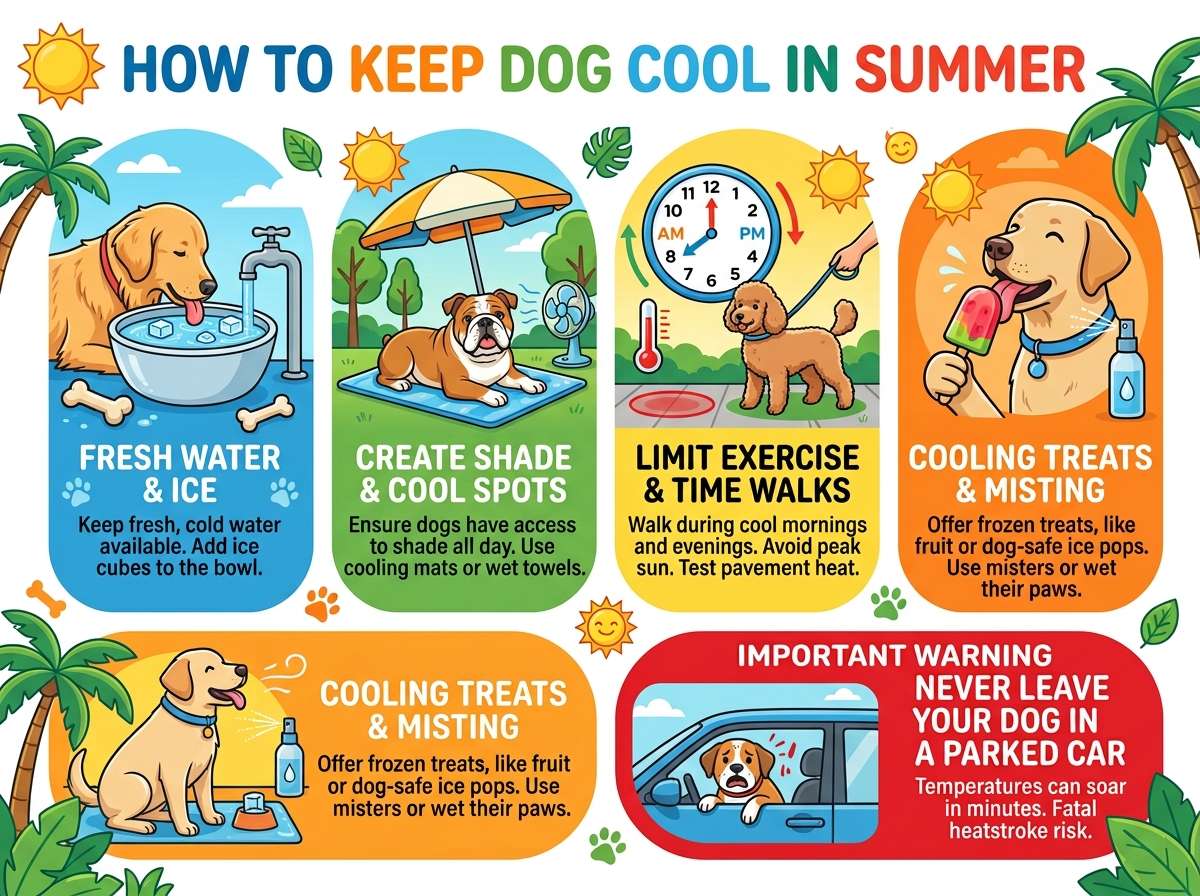
Water is the best tool you have. Keeping your dog hydrated prevents heat-related problems before they start. Make sure fresh water stays available all day long. Change it regularly so it stays cool and clean. On hot days, your dog needs even more water than usual. Bring water everywhere you go. When you take your dog for walks or to the park, pack a portable water bowl or bottle made just for dogs. Many dogs get dehydrated during outdoor adventures because they run out of access to water. Don’t wait until your dog looks thirsty to offer drinks.
Thirst isn’t always a reliable sign—by the time your dog feels thirsty, they might already be getting behind on their water intake. Some dogs won’t drink enough plain water when they get hot. You can make hydration more interesting. Add a little low-sodium broth to their water bowl. Freeze water in ice cube trays and let your dog lick them. These tricks work great for dogs who need extra encouragement to drink. Watch how much your dog drinks and pees. A sudden change can mean your dog isn’t staying hydrated well. If your dog acts confused, stumbles, or seems weak, get to a vet right away. These signs point to serious heat problems that need fast help.
Find Shade and Create Cool Zones
Your dog needs safe places to escape the sun. Shade works like magic on hot days. The difference between direct sun and shade can be ten or even twenty degrees. If your dog spends time outside, make sure plenty of shady spots exist. Trees offer natural shade, but you can also set up umbrellas or put a canopy in your yard. Inside your home, create cool zones where your dog can hang out. Basements tend to stay cooler than other rooms. Rooms with tile floors feel less hot than carpeted spaces. Close curtains and blinds during the day to keep sunlight out and cool air in. Some pet owners buy cooling mats for their dogs.
These mats absorb your dog’s body heat and keep them cool without any electricity or freezing required. Just lay one out in a shady spot and your dog will love it. They’re totally safe and work amazingly well. Dog houses need special attention in summer. A regular doghouse traps heat like an oven. If your dog sleeps outside, move them indoors during the hottest hours. If that’s not possible, make sure their house has good airflow and stays in the shade all day long.
Adjust Exercise and Activity Times
Hot days aren’t the time for long runs or intense play sessions. Your dog still needs exercise—just not during peak heat hours. Move playtime and walks to early morning or late evening when temperatures drop. This simple change keeps your dog active and safe. Dogs who exercise in the heat can overheat quickly. Their bodies heat up from activity, and the hot air makes it even harder to cool down. A dog who’s jumping around in ninety-degree heat is in real danger. Exercise-induced heat stroke is a real risk that kills dogs every year. Pay attention to your dog’s signs during any outdoor time. If your dog starts panting heavily, stumbles, or stops playing, get inside right away. These are early warning signs that heat stress is setting in. Don’t push your dog to “tough it out.” Some dogs, especially working breeds, will exercise themselves into heat stroke if you let them. Indoor exercise works great on hot days. Play fetch down a hallway. Set up agility courses in your basement. Teach new tricks in the cool living room. Your dog gets the mental and physical activity they need without the heat danger.
Use Cooling Tools and Products
Cooling collars and vests are game-changers. These products use gel inserts or evaporative technology to keep your dog cool. Just refrigerate them for a few hours, then put them on your dog. They stay cool for several hours and help your dog regulate their body temperature. Many dogs feel immediately more comfortable wearing them. Dog pools or kiddie pools work great if your dog likes water. Some dogs will hop in for a quick dip to cool down. A shallow pool in the backyard gives your dog a way to escape heat without needing a trip to a beach or lake. Make sure you empty and refill it daily to keep the water clean. Frozen treats beat regular treats on hot days.
Make dog-safe popsicles by freezing broth or plain yogurt. Your dog gets a cool snack that they’ll love. Frozen toys work too—soak a toy in water, freeze it, and give it to your dog to lick and chew. The combination of cold and something to do keeps dogs happy and cool. Bandanas soaked in cool water and tied around your dog’s neck help lower body temperature. The evaporative effect works well, and many dogs don’t mind wearing them. Keep a few bandanas in your freezer so you always have one ready.
Protect Paws from Hot Pavement
Pavement gets scorching hot in summer sun. Your dog’s paw pads can blister and burn on hot concrete or asphalt. The ground temperature can be thirty or forty degrees hotter than the air temperature. Imagine walking barefoot on that—it hurts. Before walks, touch the pavement with your own hand. If it’s too hot for your hand to rest on for more than a few seconds, it’s too hot for your dog’s paws. Stick to grass, dirt, or trails when possible. Early morning walks are best because the ground hasn’t had time to heat up yet. Dog booties protect paws during necessary outdoor time.
They take some getting used to, but most dogs adapt quickly. If your dog won’t wear booties, paw balm offers some protection. Rub it on before walks to create a barrier between paw pads and hot ground. Watch for signs of burned paws. Limping, licking paws constantly, or refusal to walk all mean your dog’s paws hurt. If you see blistering or raw spots, keep your dog indoors and see a vet. Burned paws are painful and need proper care to heal.
Never Leave Your Dog in a Hot Car
This one’s simple but critical. Don’t do it. A car becomes an oven in minutes. Even with windows cracked open, the interior temperature climbs dangerously fast. A dog left in a car on a warm day can suffer heat stroke in fifteen or twenty minutes. On hot days, leave your dog at home where it’s cool. Your errand isn’t worth risking your dog’s life. If you see another dog in a hot car, call animal control or the police. That dog is in immediate danger and needs help right away. Most places have laws protecting animals left in hot vehicles.
Grooming Helps But Requires Care
Trimming your dog’s fur removes some of the insulation trapping heat. Many groomers offer summer cuts for this reason. A shorter coat lets air reach your dog’s skin and helps them cool down faster. Long-haired breeds especially benefit from summer grooming. However, don’t shave your dog down to the skin. Your dog’s coat actually protects them from sunburn. The fur acts like sunscreen. Dogs can get sunburned on their noses, ears, and other areas with thin hair.
Shaved skin gets burned easily, so leave some fur for protection. Matted fur traps heat and moisture close to the skin. Brushing your dog daily during summer keeps mats away and lets air circulate. This simple step makes a huge difference in how cool your dog stays. Baths help too—cool water washes away dirt that blocks airflow.
Feed Your Dog Right for Hot Weather
Dogs need fewer calories on hot days because they’re less active. You might need to adjust portions slightly. But nutrition still matters—don’t skip meals or reduce nutrition just because it’s hot. Avoid heavy proteins right before or after exercise since they generate more body heat. Lighter meals digest easier and don’t warm your dog up as much. Some owners feed smaller meals more often during summer instead of one big meal. Wet food often works better than dry kibble in summer. It provides hydration along with nutrition.
Dogs find wet food easier to eat when they’re hot and not super hungry. Just don’t leave it sitting out where it spoils. Treats should be healthy and cool. Frozen vegetables like watermelon, carrots, or blueberries work great. Avoid anything with xylitol since it’s toxic to dogs. Avoid fatty treats that sit heavy in the stomach and make overheating worse.
Watch for Signs of Heat Stress and Heat Stroke
Learning heat stress signs helps you catch problems early. Dogs show heat stress through heavy panting, drooling more than usual, and seeming restless or uncomfortable. Glazed eyes, lethargy, or refusal to move all mean heat stress is developing. Get your dog inside to cool down right away. Heat stroke is serious. Signs include severe panting that won’t stop, weakness or collapse, vomiting, diarrhea, or confusion. A dog in heat stroke needs emergency vet care immediately. While you’re heading to the clinic, cool your dog down with cool (not cold) water.
Spray water on your dog’s chest, neck, and paws. Let them drink cool water if they want to. Don’t freeze your dog with ice—that can cause shock. Senior dogs, puppies, obese dogs, and dogs with certain health conditions are at higher risk. Flat-faced breeds suffer more. Dark-colored dogs absorb more heat. Knowing your dog’s risk level helps you be extra careful during summer months.
Manage Indoor Climate and Ventilation
Air conditioning is ideal, but not every home has it. If your house gets hot, fans help move air around and cool things down. Point fans to push hot air out windows if possible. Fans don’t cool air like AC does, but they help prevent stagnant, super-hot rooms. Crack windows carefully to let breezes through while keeping your dog safely inside. Make sure your dog can’t escape or get stuck.
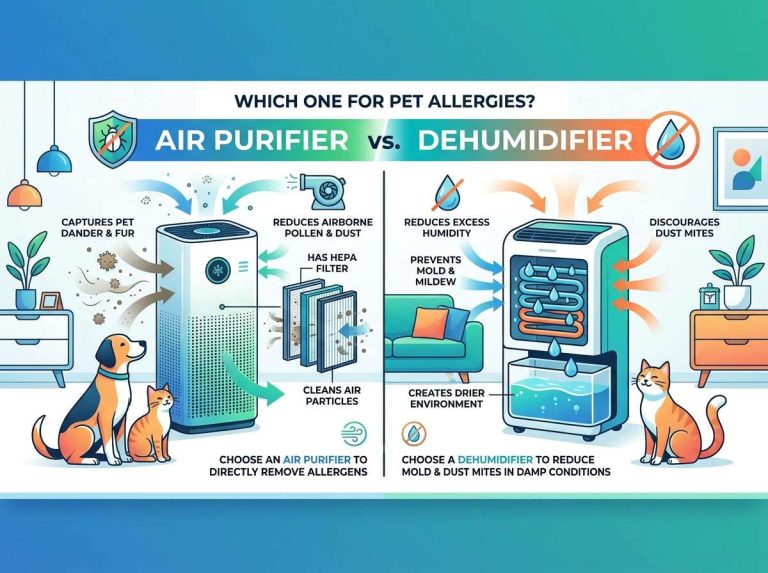
In apartments or homes without windows that open well, AC is really worth considering—even a window unit in one room gives your dog a place to escape heat. Humidity makes heat worse for dogs. High humidity prevents sweat (even the little bit from paws) from evaporating, which blocks cooling. Dehumidifiers help in humid climates. They reduce moisture in the air and make it easier for your dog to cool down through panting.
Plan for Outdoor Time Carefully
Going to the beach, park, or hiking trail? Plan smart to keep your dog safe. Go early in the morning or late in the evening. Bring plenty of water and a portable bowl. Take breaks in the shade regularly. Don’t let your dog run nonstop—alternate between activity and rest time. Watch for signs your dog is overheating even during fun activities. Many dogs don’t stop playing even when they should rest. They’ll exercise themselves into heat stroke because they’re having too much fun. You have to be the responsible one and make them take breaks. Wet your dog down with cool water before, during, and after outdoor time.
This helps them cool down and prevents heat from building up. Bring wet towels or use a spray bottle to mist your dog. They might not love it, but staying cool matters more than comfort. After outdoor time, cool your dog down gradually. Don’t let them collapse in the house and immediately start panting hard. Bring them to a cool spot, offer water, and let them rest. Check their temperature with a thermometer if you’re worried. A normal dog temperature is 101 to 102 degrees. Anything higher means your dog is still too warm.
Breed-Specific Heat Concerns
Different breeds handle heat differently. Brachycephalic (flat-faced) breeds like bulldogs, pugs, and boxers struggle the most with heat. Their shortened airways make panting less efficient. These breeds need even more careful monitoring and earlier intervention to prevent heat problems. Double-coated breeds like golden retrievers, huskies, and German shepherds trap a lot of heat under their dense coats. Summer grooming becomes extra important. These breeds might need limited outdoor time on the hottest days. Small breeds sometimes underestimate heat danger. They’re so close to the ground that they feel pavement heat more intensely.
Their small size also means they heat up faster than big dogs. Giant breeds like Great Danes and Saint Bernards have their own challenges. Their large body mass means they generate lots of heat. They also strain their hearts working hard to cool down when it’s hot. Talk to your vet about your breed’s specific needs. Your vet can give you customized advice based on your dog’s breed, age, and health.
Know When to Skip Outdoor Time
Sometimes it’s just too hot. Heat index matters more than air temperature alone. When heat and humidity combine, the risk shoots up. On dangerous days, keep your dog indoors in AC or in the coolest spot possible. Days over ninety-five degrees warrant extra caution. Days over one hundred deserve staying inside for most of the day. Your dog’s health matters more than sticking to a regular walking routine. A couple of hot days won’t hurt your dog, but heat stroke will. Bad air quality during heat waves adds danger too. Smoke from fires or pollution makes breathing harder for dogs. Panting in polluted air isn’t healthy. Your dog needs clean air to breathe when they’re already working hard to cool down.
Create a Summer Heat Emergency Kit
Preparation prevents panic. Put together a kit before you need it. Include a digital thermometer for taking your dog’s temperature. Pack a portable water bowl and bottled water. Add cool towels or a cooling mat. Include the name and number of your regular vet and an emergency vet clinic. Keep a photo of your dog handy in case you need to describe them.
Add any medications your dog takes to the kit. Include your dog’s medical history and current health issues. Store everything in an easily accessible spot. When heat emergencies happen, you’ll be ready to act fast. Know the signs of heat stroke cold. Don’t wait for things to get super bad. Call your vet as soon as you suspect heat problems. Early treatment works better and costs less than emergency care after heat stroke develops.
Summer Doesn’t Have to Be Scary
Your dog can have an amazing, fun, safe summer with smart planning. Heat doesn’t have to ruin your adventures together. You’re already helping your dog by reading this guide. Now use what you’ve learned. Stay alert. Keep your dog hydrated and cool.
Adjust activities for the heat. And most importantly, enjoy your dog’s company during these warm months. Summer is great for playing, exploring, and making memories with your pup. Just make sure you’re doing it in ways that keep your dog safe and healthy. A cool dog is a happy dog. A happy dog makes for the best summer ever.
Quick Checklist for Summer Dog Safety
- Always have fresh, cool water available
- Create shaded rest areas indoors and outdoors
- Move walks and exercise to cooler times of day
- Invest in cooling products like cooling mats or vests
- Protect paw pads from hot pavement
- Never leave your dog in a hot car
- Keep your dog indoors on extreme heat days
- Groom regularly to remove excess fur
- Watch for heat stress and heat stroke signs
- Have an emergency vet clinic’s number saved
- Adjust food and feeding schedules for summer
- Take regular breaks during outdoor time
- Know your dog’s individual heat risk factors
- Keep a heat emergency kit packed and ready
Your dog depends on you to keep them safe. During summer heat, that responsibility matters even more. You’ve got this. Keep your dog cool, keep them hydrated, and keep them out of danger. Your dog will thank you with years of happy summers together.
Hi, I’m Mary, the founder of PetGadgetPro.com. I’m a passionate pet lover with a special place in my heart for dogs and cats. I share practical advice and honest insights on pet gear to help pet parents make better choices. My dedicated research team studies products in depth, and our writers create reviews using trusted, authentic sources—so you can feel confident choosing the best for your pets.