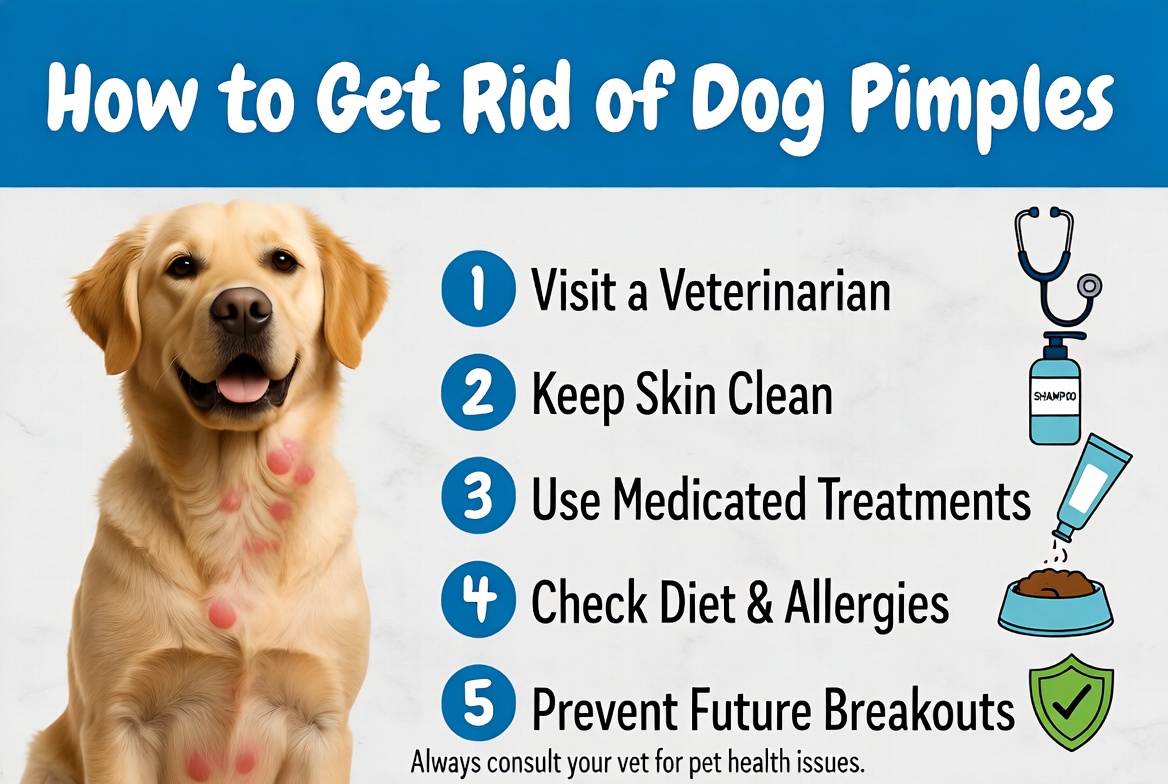
How to Get Rid of Dog Pimples?
Your furry best friend is scratching more than usual. You take a closer look and spot some red bumps on their skin. Yep, your dog has pimples. Don’t panic! This happens to lots of dogs, and the good news is you can help your pup feel better.
Dog pimples are a real thing, and they’re way more common than you might think. The bad news? They can make your dog uncomfortable and itchy. The good news? You have tons of options to get rid of them. Let’s dive into everything you need to know about your dog’s breakout.
What Are Dog Pimples Actually?
First, let’s get clear on what we’re talking about. Dog pimples aren’t exactly like the zits you had in high school. They’re bumps that show up on your dog’s skin and can be caused by a few different things.
Your dog’s skin has pores, just like ours do. When these pores get clogged with dirt, oil, or dead skin cells, bacteria can grow. That bacteria causes inflammation and creates those pesky red bumps. Your pup can get pimples almost anywhere on their body, but they show up most often on the chin, muzzle, and belly area.
The technical name for dog pimples is canine acne. Vets use this term when they see those bumpy breakouts on a dog’s face or body. Sometimes these pimples have white heads on them. Other times they’re just red and swollen. Either way, they’re uncomfortable for your dog.
Why Does My Dog Have Pimples?
Your dog didn’t do anything wrong. Pimples happen for lots of reasons, and most of them are easy to fix. Let’s look at the main culprits.
Poor Grooming and Dirt
Dogs get dirty. It’s part of what makes them fun! But when dirt builds up on your dog’s skin, it can clog those pores we talked about. This is super common if your dog likes to play in mud, roll around outside, or has a greasy coat. A bath and some basic grooming can work wonders.
Bacteria and Skin Infections
Bacteria love warm, moist places. Your dog’s skin creates the perfect home for bad bacteria. When bacteria gets into those pores, inflammation happens fast. This is one of the most common reasons dogs get pimples.
Food Allergies
Your dog’s diet matters more than you might think. Some dogs react badly to certain ingredients in their food. These reactions show up as skin problems, including acne. If your dog has pimples and also has digestive issues or other skin problems, food allergies might be the culprit.
Environmental Allergies
Pollen, dust, and mold can irritate your dog’s skin just like they irritate ours. When your dog’s skin gets irritated, it produces more oil and gets more inflamed. This creates the perfect setup for pimples.
Low-Quality Food Bowls
Here’s something most people don’t think about: plastic food bowls can cause dog acne. Plastic is porous and traps bacteria. When your dog eats from a plastic bowl, bacteria from the bowl gets on their chin and face. This irritation can lead to breakouts, especially around the mouth area. Switch to stainless steel or ceramic bowls instead.
Hormonal Changes
Just like people, dogs go through hormonal shifts. These changes can make their skin more oily and more prone to breakouts. Young dogs and dogs going through heat cycles often have more acne problems.
Scratching and Picking
When your dog scratches at an itch, they can break their skin. Broken skin gets infected. Before you know it, a simple itch turns into a pimple. This is why keeping your dog from scratching is so important.
Skin Conditions
Some dogs are just born with sensitive skin. Breeds with wrinkled faces or short muzzles tend to get acne more often. Bulldogs, pugs, and boxers deal with pimples more than other dogs. These dogs need extra skin care.
Signs Your Dog Has Pimples
You might not always realize your dog has acne right away. Here are the signs to look for.
Red bumps on the skin. These are the most obvious sign. They’ll look like little red spots, usually on the face, chin, or belly.
Whiteheads. Some pimples have a white or yellow center. These look just like human zits.
Scabs. If your dog scratches at the pimples, they’ll get scabs. These scabs mean the skin is damaged and infected.
Hair loss. Your dog might lose hair around the affected area from scratching and irritation.
Itching and scratching. If your dog seems to scratch one spot a lot, take a look. Pimples make dogs itchy.
Swelling. The area around the pimples might swell up or feel hot.
Oozing. In bad cases, pimples might leak pus or blood. This means it’s time to call the vet.
If you see any of these signs, don’t wait. Get your dog checked out and start a treatment plan.
Home Treatments That Work
The good news is you can treat mild to moderate dog acne at home. Here are the best methods that actually work.
Keep Your Dog Clean
A regular bath is your first line of defense. Use warm water and a gentle dog shampoo. Don’t use human shampoo or harsh products because they strip natural oils from your dog’s skin and make things worse.
Bathe your dog once a week if they have acne. Make sure you rinse all the shampoo out completely. Any leftover soap can irritate the skin more. After the bath, dry your dog completely with a clean towel. Moisture left on the skin creates a breeding ground for bacteria.
For dogs with really oily skin, a medicated shampoo helps a lot. Look for shampoos with benzoyl peroxide or salicylic acid. These ingredients help unclog pores and kill bacteria. Use these special shampoos two to three times a week.
Switch to Better Food Bowls
Throw out those plastic bowls right now. Get stainless steel or ceramic ones instead. This simple change solves acne problems for a lot of dogs. The difference is shocking once you see it.
Make sure to wash bowls every day with hot water. Dry them completely before your dog eats. This prevents bacteria buildup.
Try a Warm Compress
Just like with human acne, warmth helps dogs too. Get a clean cloth and soak it in warm (not hot) water. Hold it against the pimples for five to ten minutes. Do this once or twice a day.
The warmth brings blood to the area and helps the body fight infection. It also feels good for your dog and brings down swelling.
Use Benzoyl Peroxide Spray or Wash
You can buy benzoyl peroxide spray at pet stores or online. This stuff kills bacteria and helps dry out pimples. Spray it directly on the affected area after a bath. Follow the directions on the bottle, but usually you use it once or twice a day.
Benzoyl peroxide works fast. You should see improvement within a week or two.
Apply Aloe Vera
Aloe vera is gentle and helps soothe irritated skin. It also has antibacterial properties. You can use pure aloe vera gel from the plant itself or buy pet-safe aloe products. Just dab a little on the pimples a few times a day.
Make sure you use only aloe on the surface. Don’t let your dog lick a lot of it off since that’s not ideal for their stomach.
Improve Your Dog’s Diet
What goes in affects what comes out, including skin health. Feed your dog high-quality food with real meat as the first ingredient. Avoid foods with a lot of fillers, corn, or artificial ingredients.
Some dogs do better with limited ingredient diets. If you think food might be the problem, talk to your vet about trying a new food. Make changes slowly over a week or two so your dog’s stomach adjusts.
Add omega-3 fatty acids to your dog’s diet. These healthy fats help skin stay healthy. Fish oil supplements for dogs work great. They reduce inflammation and improve coat quality at the same time.
Keep the Area Dry
Moisture is the enemy of clear skin. If your dog gets wet a lot, dry them off completely. This is especially important for dogs with pimples on their belly or skin folds.
If your dog loves swimming, that’s great for exercise. Just make sure to rinse them off with fresh water and dry them completely after swimming.
Reduce Stress
Stressed dogs get more skin problems. This is a real thing. Make sure your dog gets enough exercise and playtime. Spend quality time with your pup. A happy, relaxed dog has healthier skin.
When to Call the Vet
Sometimes home treatment isn’t enough. You need to call your vet if:
The pimples don’t improve after two weeks of home treatment. You’re doing everything right, but nothing’s working. Time to get professional help.
The pimples get worse. If the breakout spreads or gets more inflamed, don’t wait.
Your dog seems sick. If your pup has fever, lethargy, or stops eating, this could be a serious skin infection. Get to the vet fast.
There’s pus or blood. These signs mean the infection is bad. Your vet needs to see this.
The pimples smell bad. A foul odor means a serious bacterial infection.
Your dog is in pain. If pimples make your dog yelp or pull away when you touch the area, something serious is happening.
Your dog can’t stop scratching. Constant scratching leads to infection and more damage.
Your vet can prescribe stronger treatments when home care isn’t cutting it.
What Vets Prescribe for Dog Acne
If you take your dog to the vet, here are the treatments they might suggest.
Antibiotics
Your vet might prescribe oral antibiotics if there’s a bacterial infection. Common choices include amoxicillin and doxycycline. These medications kill the bacteria causing the pimples. Your dog usually takes them for one to two weeks.
Make sure your dog finishes the entire course even if the pimples look better. Stopping early lets bacteria come back stronger.
Topical Medications
Vets can prescribe creams, gels, or sprays that go right on the pimples. These often contain antibiotics or other healing ingredients. Apply them as directed, usually once or twice daily.
Steroid Creams
If swelling and itching are really bad, your vet might give a mild steroid cream. This reduces inflammation fast. Don’t use steroids for a long time though. They’re great short-term solutions but not for ongoing use.
Allergy Medications
If allergies are causing the pimples, your vet might try allergy meds. Antihistamines or other allergy treatments can help if environmental or food allergies are the root cause.
Antifungal Medications
Sometimes fungal infections cause pimple-like bumps. Your vet will know if this is the problem. Antifungal shampoos or oral medications clear these up.
Vitamin and Mineral Supplements
Some vets suggest adding supplements to support skin health. Zinc, vitamin A, and other nutrients help skin heal. Your vet can recommend the right dosage for your dog.
Preventing Dog Acne in the Future
Once you clear up those pimples, you want to make sure they don’t come back. Prevention is easier than treatment.
Stick with a Good Grooming Routine
Bathe your dog every two to four weeks with a good dog shampoo. Brush their coat regularly to remove dirt and debris. Grooming isn’t just about looks. It keeps skin healthy and clean.
Keep Using Stainless Steel Bowls
Never go back to plastic. Keep those steel bowls clean and dry. Replace them if they get dented or damaged.
Feed Quality Food
Stick with the good food you found that works for your dog. Consistent, high-quality nutrition prevents a lot of skin issues.
Control the Environment
Wash your dog’s bedding weekly in hot water. This removes bacteria, dust, and allergens. Keep your dog’s living space clean and dry.
Manage Allergies
If your dog has allergies, work with your vet to keep them under control. This might mean avoiding certain foods or managing seasonal allergies with medication or supplements.
Check Your Dog’s Skin Often
Run your hands over your dog regularly and look for bumps or irritation. Catching problems early makes them easy to treat.
Keep Your Dog Stress-Free
A happy dog is a healthy dog. Regular exercise, playtime, and affection keep stress down. Lower stress means better skin.
Don’t Let Your Dog Scratch
This is hard but important. When your dog starts scratching, distract them with a toy or activity. If scratching becomes constant, talk to your vet. Sometimes there’s an underlying issue.
Special Considerations for Different Breeds
Some dogs are more prone to pimples than others. Here’s what to know about high-risk breeds.
Bulldogs and Wrinkled Breeds
Dogs with lots of wrinkles and folds get pimples a lot. Their skin folds trap moisture and bacteria. These breeds need extra frequent baths, and you need to dry their skin folds completely after bathing.
Short-Haired Breeds
Boxers, pit bulls, and other short-haired dogs sometimes get more acne. Their short hair provides less protection. Keep these dogs extra clean and watch for signs of trouble.
Long-Haired Breeds
Long hair can trap dirt and moisture. Brush and bathe long-haired dogs often. Make sure air gets to their skin.
Sensitive Skin Breeds
Some breeds just have naturally sensitive skin. These dogs need gentler products and more frequent monitoring. Work closely with your vet.
Common Myths About Dog Acne
Let’s bust some myths that might be confusing you.
Myth: Only dirty dogs get pimples. False. Clean dogs get pimples too. It’s not about laziness.
Myth: Dog acne is contagious. False. You can’t catch it from your dog, and your dog can’t catch it from other dogs through pimples.
Myth: Pimples will go away on their own. Sometimes, but usually they need treatment. They can get worse if ignored.
Myth: You should pop your dog’s pimples. Absolutely not! Popping them causes more infection and damage.
Myth: Dog acne is serious and dangerous. Most of the time, it’s not serious. But serious infections can develop if ignored.
Taking It All Together
Getting rid of dog pimples starts with understanding what causes them. In most cases, better hygiene, quality bowls, and good nutrition solve the problem. Some dogs need a little extra help from the vet.
The key is to start treatment early and be consistent. Don’t give up after a few days. Most dog acne takes a couple of weeks to clear up, sometimes longer.
Your dog depends on you to keep them healthy and comfortable. When you see those pimples, take action. Use home treatments first, and call the vet if things don’t improve.
Remember, your dog isn’t vain about looks. Those pimples are uncomfortable and itchy. You’re not treating acne to make your dog prettier. You’re treating it because it helps your pup feel better. That’s what good pet ownership is all about.
Keep your dog clean, feed them well, use good bowls, and stay on top of their health. Do these things and you’ll rarely see pimples again. Your dog will thank you with more tail wags and cuddles.
Now get out there and help your furry friend feel great again. Those pimples don’t stand a chance against a determined pet owner who knows what to do!
Quick Reference: Your Dog Acne Action Plan
Week 1:
- Switch to stainless steel or ceramic food bowls
- Start bathing twice a week with gentle dog shampoo
- Apply warm compresses daily
- Start using benzoyl peroxide spray or wash
Week 2:
- Continue baths and warm compresses
- Evaluate diet and consider switching to higher quality food
- Add fish oil supplements if appropriate
- Monitor for improvement
If no improvement by Week 2:
- Call your vet and schedule an appointment
- Be ready to discuss any other symptoms your dog shows
- Ask about prescription treatments
Ongoing Prevention:
- Bathe every two to four weeks
- Keep bowls clean and use only stainless steel
- Maintain a high-quality diet
- Check skin regularly
- Keep your dog stress-free and active
Dog pimples are annoying, but they’re fixable. You’ve got this!
Hi, I’m Mary, the founder of PetGadgetPro.com. I’m a passionate pet lover with a special place in my heart for dogs and cats. I share practical advice and honest insights on pet gear to help pet parents make better choices. My dedicated research team studies products in depth, and our writers create reviews using trusted, authentic sources—so you can feel confident choosing the best for your pets.