How to Get Rid of Fishy Smell from Female Dog?
That fishy odor coming from your female dog is something most dog owners have noticed. It’s one of those gross things that makes you wonder what’s going on down there. The smell is usually strong, unpleasant, and can fill your whole house. The good news? You can fix it.
This guide will help you understand where that stench comes from and what you can do to make it go away for good.
What Causes That Nasty Fishy Odor?
Your female dog’s body produces certain chemicals and oils that keep her skin and fur healthy. But sometimes these get out of balance. When that happens, bacteria and yeast grow too much. They create waste products that smell terrible. This smell is strong, fishy, and hard to ignore.
The main culprit is anal gland problems. Dogs have two small sacs near their butt called anal glands. These glands make a smelly fluid that dogs use to mark territory. Most of the time, dogs empty these glands when they poop. But sometimes the glands get full, infected, or inflamed. When that happens, you get the fish smell.
Another big cause is a skin infection. Yeast and bacteria love damp, warm places. Your dog’s skin folds, paws, and private areas are perfect homes for them. When an infection starts, it creates that distinctive fishy stink. This is extra common in female dogs because of their body structure.
Ear infections can also cause fishy smells. Dogs’ ears trap moisture and heat. This creates the perfect setup for yeast to grow. When yeast takes over an ear, it gives off a fishy, musty odor that’s really strong.
Vaginal infections are another reason. Female dogs get bacterial infections in their reproductive area. These infections smell like fish. They also cause discharge and may come with other signs like licking or scooting.
Poor grooming habits let bad smells build up. If your dog doesn’t get baths, her skin oils pile up. Dead skin cells stick around. Bacteria have more chances to grow. All of this adds up to a fishy odor that gets worse over time.
Signs Your Dog Needs Help
Before you start treating the problem, watch for these signs that show your dog has a real issue.
Excessive licking at her rear end is a big red flag. If she’s constantly licking her butt, her private area, or her paws, something’s wrong. This licking actually makes infections worse.
Scooting is when your dog drags her butt along the floor or carpet. It looks silly, but it means she’s uncomfortable and itching back there. This often points to anal gland trouble.
A strong, steady fishy smell that won’t go away with regular baths is a sign of infection. Normal dog smell is one thing. Fish stench is another.
You might see discharge from her rear end or private area. Any kind of unusual liquid or pus means you need to act fast.
Redness, swelling, or irritation around the rear end or vulva means inflammation. This can lead to bigger problems if you ignore it.
Your dog might seem uncomfortable or in pain. She could whimper, act restless, or refuse to sit down properly.
Start with a Trip to the Vet
This is the most important step. You have to rule out infections and health problems. A vet can:
Check the anal glands and empty them if they’re full Run tests to find bacterial or yeast infections Look for signs of allergies Test for other skin diseases Give antibiotics or antifungals if needed Rule out serious issues
Going to the vet first saves you time and money. Home remedies might help, but they won’t fix a real infection. Your dog could get worse without proper medicine. The vet visit is worth the cost.
How to Empty Anal Glands at Home
Once your vet says it’s safe, you can learn to empty your dog’s anal glands yourself. This helps prevent problems from coming back.
What you need:
Paper towels or old rags Gloves (optional but smart) Your dog in a safe space
The steps:
Put your dog in a comfortable position. Some people do this in the bathtub since it can get messy. Have her stand still or sit down.
Get behind or beside her rear end. Lift her tail up.
Look for the two small bumps on either side of her butt opening. These are the gland openings.
Press gently around these spots. You’re trying to squeeze out the fluid inside. You’ll see thick, smelly, brownish liquid come out.
Use paper towels to catch and clean up the mess.
If nothing comes out, don’t force it. The glands might be empty or blocked. Call your vet instead.
Wash your hands right away.
Do this once every 2-4 weeks if your dog has problems with full glands. Some dogs need it more often. Others rarely need help.
Give Her Regular Baths
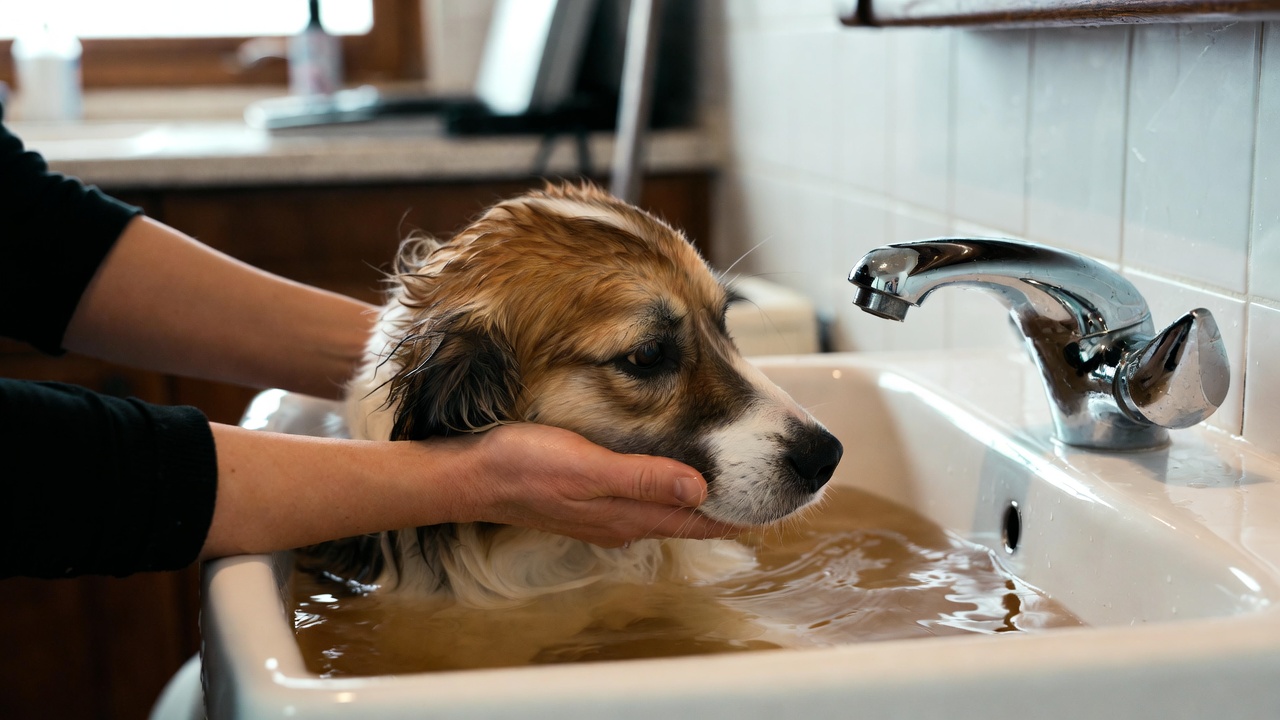
Baths remove dirt, dead skin, and bacteria from her coat. This cuts down on fishy smells.
Use a gentle dog shampoo made for sensitive skin. Avoid human shampoo because it messes with your dog’s skin balance.
Bathe her once every 2-4 weeks. Don’t overdo it. Too many baths strip natural oils and make infections worse.
Pay special attention to her rear end, private area, and skin folds. Scrub gently with your fingers to loosen dirt and debris.
Rinse thoroughly. Left-over shampoo can cause itching and more bacterial growth.
Dry her completely. Moisture leads to yeast growth. Use a towel and a blow dryer on low heat if your dog tolerates it.
Try Anti-Fungal and Antibacterial Wipes
Between baths, use special wipes to keep the area clean and fresh.
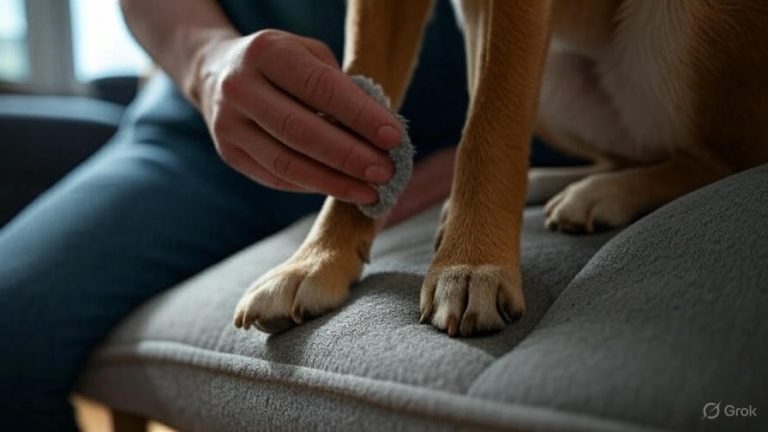
Dog wipes made with chlorhexidine or miconazole kill bacteria and yeast. They’re easy to use and quick.
Gently wipe her rear end and private area once or twice a day.
You can get these wipes at pet stores or online. Brands like Burt’s Bees, Earthbath, and Vetericyn make good ones.
Keep the wipes in a sealed container so they don’t dry out.
Try Apple Cider Vinegar Rinses
Apple cider vinegar has natural antifungal properties. A rinse made with it can help kill yeast and bacteria.
Mix one part apple cider vinegar with one part water.
After you bathe your dog, pour this mixture over her coat. Focus on areas where the smell is strongest.
Let it sit for a few minutes.
Rinse with clean water.
Do this once a week for a few weeks.
Your dog might smell like vinegar at first. That smell goes away as she dries.
Only use this method on unbroken skin. If your dog has cuts or sores, skip it.
Add Omega Fatty Acids to Her Diet
Omega-3 and omega-6 fatty acids make skin healthier. A healthier skin barrier fights off infections better.
Add fish oil supplements to her food. Start with a small amount and build up to the right dose for her weight.
Feed her foods rich in omega-3s. Salmon, sardines, and other fatty fish help.
You can also give her flaxseed oil, but fish oil works better for skin problems.
Ask your vet about the right amount for your dog’s size.
Results take a few weeks, but good nutrition really helps prevent future infections.
Rule Out Food Allergies
Sometimes fishy smells come from allergies. When your dog is allergic to something, her skin gets inflamed. This makes room for bacterial and yeast growth.
Common dog food allergies include chicken, beef, wheat, and corn.
Talk to your vet about an elimination diet. This means feeding her one new protein and one new carb for 8-12 weeks.
Keep a journal of her smell, itching, and bathroom habits during this time.
If her symptoms get better on a new diet, you’ve found the problem.
Some dogs do well on limited ingredient diets or novel protein diets. Ask your vet what brands are good.
Keep Her Private Area Trimmed
Hair traps moisture and bacteria. Trimming the area helps air circulate and keeps things dry.
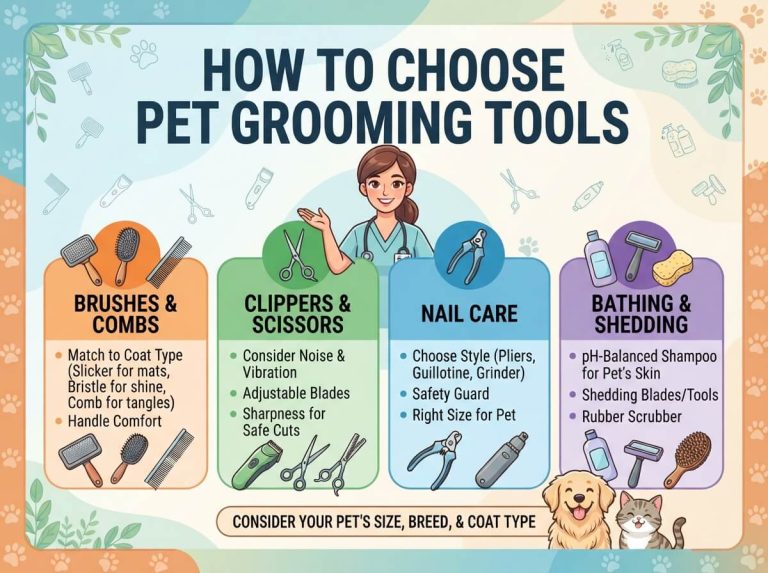
Use scissors or clippers to trim hair around her rear end and private area.
Don’t use the same tools you use for other grooming. Keep them separate for sanitary reasons.
Trim once a month to keep things neat and dry.
If you’re nervous about doing this, ask your groomer.
Watch Her Weight
Overweight dogs are more prone to skin problems. Extra fat creates more skin folds. These folds trap moisture and bacteria.
Keep your dog at a healthy weight for her breed and age.
Feed the right amount of calories. Ask your vet what that is for your dog.
Encourage exercise. Walks and playtime keep her healthy and happy.
Maintaining a good weight helps prevent many health issues, not just fishy smells.
Use Probiotics for Dogs
Probiotics help balance the good and bad bacteria in your dog’s gut and skin.
Dog probiotics come in powders, treats, and capsules.
Add them to her food daily.
Look for products with multiple bacterial strains.
Probiotics work best when combined with other treatments. They’re not a magic fix on their own.
Quality matters. Buy from trusted brands and ask your vet for recommendations.
Prevent Moisture Build-Up
Yeast thrives in damp places. Keep your dog dry.
Dry her thoroughly after baths and walks in wet weather.
Clean her ears regularly with a dry cloth.
Wipe her private area if she gets wet from play or swimming.
Don’t let her stay wet for hours.
Keep humid areas where she sleeps clean and dry.
Change her bedding often.
When to Call the Vet Again
Some problems need a second trip to the vet.
The smell comes back within a few weeks of treatment Your dog keeps licking or scooting even with home care You see discharge that gets worse instead of better Her rear end gets more swollen or red She seems to be in pain You notice blood in her discharge The smell comes with other signs like vomiting or loss of appetite
Don’t wait if something seems really wrong. Infections can get serious fast.
What NOT to Do
Don’t use human products on your dog. Your toiletries are too strong and can cause more problems.
Don’t rely only on perfumes or sprays. These mask the smell but don’t fix the problem.
Don’t skip the vet visit. Home care works best after your vet rules out serious issues.
Don’t give up on cleaning. Regular maintenance stops problems from coming back.
Don’t assume it’s just normal dog smell. Fishy odor is always a sign of something.
Don’t force your dog’s anal glands. You could hurt her or cause an infection.
How Long Until the Smell Goes Away?
This depends on what’s causing it.
If it’s just full anal glands, emptying them fixes the smell right away.
Bacterial infections usually improve within a few weeks of antibiotics.
Yeast infections take 2-4 weeks of antifungal treatment.
Diet changes and supplements take 6-12 weeks to show real results.
Home care like regular baths helps prevent future problems.
Be patient. Skin health takes time to restore.
Keep the Smell Away Long-Term
Once you’ve fixed the problem, keeping it away is easier.
Bathe your dog every 3-4 weeks with a good shampoo.
Empty her anal glands every 4-8 weeks if she’s prone to problems.
Check her ears regularly and clean them when they look dirty or oily.
Keep her at a healthy weight.
Give her a good diet with omega fatty acids.
Trim hair around her private area and rear end monthly.
Use probiotics regularly.
Watch for early signs of trouble and act fast.
Final Thoughts
Fishy smells from female dogs are usually fixable. The key is identifying what’s causing it and treating the root problem. A vet visit is always the right first step. After that, home care, good grooming, and proper nutrition do wonders.
Don’t let your dog suffer with infections or discomfort. The fishy stench is your body language telling you something needs attention. With the steps in this guide, you’ll have a fresh-smelling, comfortable dog in no time.
Your dog will feel better, your house will smell better, and life with your furry friend will be more enjoyable. That’s worth the effort.
Hi, I’m Mary, the founder of PetGadgetPro.com. I’m a passionate pet lover with a special place in my heart for dogs and cats. I share practical advice and honest insights on pet gear to help pet parents make better choices. My dedicated research team studies products in depth, and our writers create reviews using trusted, authentic sources—so you can feel confident choosing the best for your pets.