How to Get Rid of Dog Dandruff?
Your dog is scratching more than usual. You notice white flakes all over their fur and your couch. Those flakes? That’s dog dandruff. It’s annoying, uncomfortable for your pup, and honestly, a bit gross. But don’t worry. Getting rid of dog dandruff is totally doable. Let me walk you through everything you need to know.
What Is Dog Dandruff, Anyway?
Dog dandruff is when your dog’s skin gets dry and flaky. Just like humans get dandruff, dogs do too. The difference is that it’s often more visible in their fur. When your dog’s skin sheds dead cells faster than normal, those cells bunch up and create white, scaly flakes.
This isn’t just a cosmetic problem either. Dandruff usually means your dog’s skin is unhappy about something. It could be dry skin, allergies, infections, or environmental stress. The good news? Once you figure out the cause, you can fix it.
Why Does Your Dog Have Dandruff?
Dandruff doesn’t happen for no reason. Something is making your dog’s skin unhealthy. Here are the most common culprits.
Dry Skin Is the Main Offender
The number one reason dogs get dandruff is dry skin. Lots of things cause dry skin in dogs. Low humidity in your home, especially in cold weather, sucks moisture right out of their skin. Some breeds are more prone to dry skin than others. If your dog has a short, thin coat, their skin loses moisture faster.
Hot water during baths also dries out skin. So does bathing your dog too often. When you strip away the natural oils on your dog’s skin, dandruff follows.
Allergies Are Another Big Problem
Dogs get allergies just like people do. Skin allergies make their skin itch and inflame. When skin is inflamed, it sheds more cells. Those excess cells create dandruff.
Allergies can come from food, pollen, dust mites, mold, or their environment. Your dog might be allergic to their current food. They might react to new cleaning supplies you brought home. The allergy causes the skin irritation, which causes the dandruff.
Nutritional Issues Play a Role
What you feed your dog matters a lot for skin health. If your dog’s food lacks essential fatty acids, their skin suffers. Omega-3 and omega-6 fatty acids keep skin healthy and moist. Without enough of these nutrients, dandruff shows up.
Low-quality dog food often doesn’t have enough nutrients. If you’ve been feeding cheap food, upgrading to better quality might solve your dandruff problem.
Parasites Cause Real Trouble
Fleas, mites, and lice aren’t just annoying pests. They cause serious skin problems. Mites especially trigger dry, flaky skin and intense itching. If your dog has parasites, dandruff will probably show up right alongside them.
Check your dog for fleas by looking at their skin closely. You might see the actual bugs. You might just see black specks, which are flea dirt. Either way, parasites need to go.
Infections Get Serious
Bacteria and yeast infections both happen on dogs’ skin. These infections create inflammation, irritation, and yes, dandruff. Yeast infections are common, especially in dogs with floppy ears or dogs that spend time in water.
If your dog has a skin infection, you’ll usually notice other signs too. Their skin might smell bad. They might have red, irritated patches. They could have oozing or crusty areas.
Environmental Factors Matter Too
Your dog’s living space affects their skin health. Low humidity indoors during winter dries out skin fast. Too much sun exposure can irritate skin. Cold weather in general is tough on dogs’ skin.
Some dogs also react badly to chemicals in cleaning products or lawn treatments. If you’ve recently changed how you clean your home or yard, that could be causing the problem.
Stress Can Show Up as Dandruff
Believe it or not, stressed dogs get dandruff. Anxiety, changes in routine, or a new pet in the house can stress your dog out. That stress actually affects their skin health and immune system. The result? More dandruff.
How to Spot Dog Dandruff Right Away
You need to know what you’re looking for. Dog dandruff shows up in specific ways.
The most obvious sign is white or gray flakes in your dog’s coat or on surfaces where they sleep. You might see them when you brush your dog. They might be all over your couch and bed. Some dogs get a lot of flakes. Others just have a few small patches.
Your dog might scratch more than normal. They might seem uncomfortable or restless. Some dogs lick their skin more when it’s irritated.
Run your fingers through your dog’s coat. If you feel a rough, scaly texture, that’s a sign of skin problems. Healthy dog skin feels smooth.
Pay attention to smell too. Sometimes dandruff comes with a musty or yeasty odor. That usually means there’s a yeast or bacterial infection happening.
The Simple Solutions That Actually Work
Ready to fix this? Here are the steps that actually help.
Upgrade Your Dog’s Food
Start here because nutrition affects everything. Look for dog food with real meat as the first ingredient. Make sure it has omega-3 and omega-6 fatty acids listed. These nutrients are essential for skin health.
You might need to switch gradually to a new food. Mix a little new food in with the old food for a few days. Then increase the ratio. A sudden food change can upset your dog’s stomach.
If your dog has food allergies, you might need a special diet. Some dogs do better on limited ingredient food or grain-free options. Talk to your vet about what would work best for your specific dog.
Add Supplements That Help
Fish oil supplements are amazing for dog skin health. The omega-3s in fish oil reduce inflammation and keep skin moist from the inside out. Coconut oil also helps some dogs. You can add a small amount to their food.
Talk to your vet about the right dose. Too much oil can cause digestive issues. A little bit is what you need.
There are also dog supplements specifically made for skin health. They usually contain fatty acids, biotin, and other nutrients that support skin. These work surprisingly well.
Fix Your Bathing Routine
How often you bathe your dog and how you do it matters a lot.
Don’t bathe your dog too often. Once a month is usually enough for most dogs. Some dogs can go even longer. If you bathe them every week, you’re stripping away too many natural oils.
Use lukewarm water, not hot water. Hot water dries out skin. Lukewarm water is gentler and still gets your dog clean.
Choose a dog-specific shampoo. Human shampoo and even some cheap dog shampoos are too harsh. Good dog shampoos are pH-balanced for their skin. If your dog has dry skin, use a moisturizing shampoo.
After shampooing, rinse really well. Any shampoo left on the skin can irritate it. Rinse until the water runs completely clear.
Pat your dog dry gently instead of rubbing. Rough rubbing can irritate skin further. Make sure they’re completely dry afterward, especially in areas where water can get trapped.
Use a Humidifier in Winter
Dry air in your home is rough on your dog’s skin. A humidifier adds moisture to the air. This helps their skin stay hydrated.
Keep the humidity at a comfortable level. Around 40-50% humidity is good. Too much humidity can cause other problems, so don’t overdo it.
This is especially important during cold months when heating systems suck all the moisture out of the air.
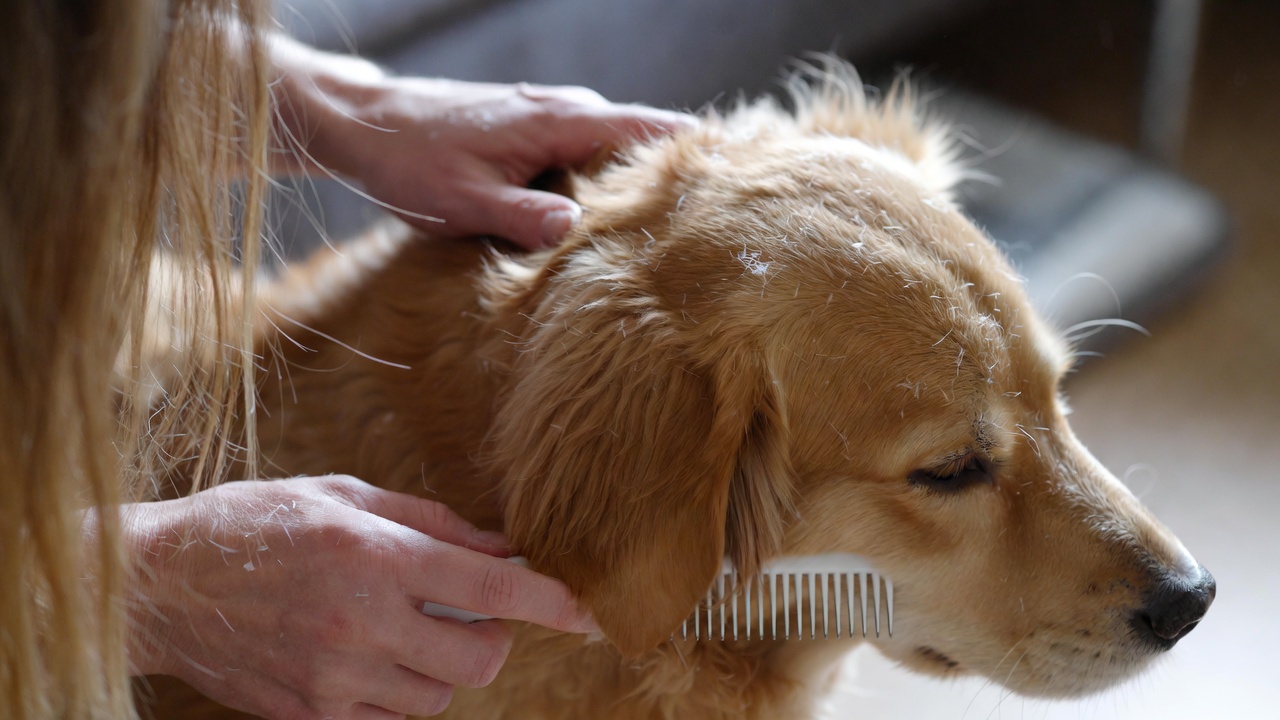
Brush Your Dog’s Coat Regularly
Regular brushing does more than just look nice. It removes dead skin and distributes natural oils throughout the coat. This keeps skin healthier.
Brush your dog a few times a week. Use a brush appropriate for their coat type. A slicker brush works well for most dogs.
Brushing also helps you spot skin problems early. If you brush regularly, you’ll notice changes right away.
Keep Them Parasite-Free
Use a quality flea and tick prevention product year-round. Ask your vet what they recommend. There are lots of options, from topicals to pills to collars.
Check your dog regularly for parasites anyway. Even with prevention, sometimes bugs slip through. If you spot any signs of fleas or mites, treat it right away.
Reduce Environmental Stress
Keep your home at a comfortable temperature. Extreme heat or cold stresses your dog’s skin. Aim for a moderate, stable temperature.
Maintain routine as much as possible. Dogs like predictability. Sudden changes stress them out.
If you have a particularly anxious dog, talk to your vet about anxiety management. Sometimes reducing stress makes skin problems disappear.
When to See the Vet
Most cases of dog dandruff respond well to the steps above. But sometimes you need professional help.
See a vet if:
- The dandruff doesn’t improve after two or three weeks of treatment
- Your dog has red, inflamed, or irritated skin
- There’s any discharge, oozing, or crusty areas
- Your dog’s skin smells bad or musty
- Your dog is scratching constantly or seems in pain
- You notice hair loss
- You see any signs of infection
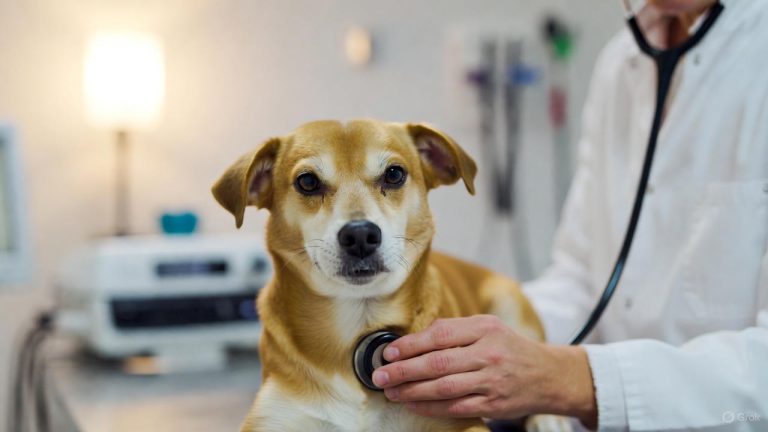
Your vet can run tests to figure out exactly what’s wrong. They can diagnose infections, allergies, or other issues. Then they can prescribe the right treatment.
For yeast infections, your vet might prescribe special medicated shampoos. These kill the yeast and stop the infection. For bacterial infections, antibiotics might be needed.
If allergies are the problem, your vet can help identify what your dog is allergic to. Then you can avoid that trigger.
Medicated Shampoos Work Fast
If your dog has a confirmed infection or severe dandruff, medicated shampoos are powerful.
Shampoos with selenium sulfide help with yeast and bacterial problems. Shampoos with coal tar reduce scaling and itching. Shampoos with salicylic acid help remove flakes.
Use these exactly as your vet directs. Most medicated shampoos need to sit on your dog’s skin for 5-10 minutes to work. Don’t rinse right away.
Only use medicated shampoos as long as your vet recommends. They can be harsh, so you don’t want to use them longer than necessary.
Natural Remedies That Help
Some natural options work surprisingly well for mild dandruff.
Coconut Oil: You can apply this directly to dry patches. Use a small amount and work it into the skin. It has natural antifungal properties and moisturizes skin.
Apple Cider Vinegar: Mix one part apple cider vinegar with one part water. Spray it on affected areas. This helps with yeast and bacteria. Don’t use if your dog has open wounds or very irritated skin.
Oatmeal Baths: Plain oatmeal has soothing properties. You can add colloidal oatmeal (special finely-ground oatmeal) to bathwater. It reduces itching and calms irritated skin.
Green Tea: Brew some green tea, let it cool, and use it as a rinse after bathing. It has antioxidants that support skin health.
Remember, natural doesn’t always mean safe or effective for everyone. Some dogs react badly to certain remedies. Start slow and watch for any problems.
Prevention Is Easier Than Cure
Once you’ve gotten rid of your dog’s dandruff, keep it from coming back.
Maintain a regular grooming schedule. Brush your dog frequently. Bathe them regularly but not too often.
Stick with the good food you switched to. Your dog’s skin will thank you.
Keep using supplements if they help. Ongoing nutrition support keeps skin healthy long-term.
Maintain a comfortable environment. Control humidity and temperature.
Stay on top of flea and tick prevention.
Watch for early signs of trouble. If you notice a few flakes returning, address it right away before it gets worse.
Different Approaches for Different Dogs
Every dog is unique. What works for one might not work for another.
Long-Haired Dogs: These need more frequent brushing to prevent mats and keep skin healthy. They might need baths less often because their coat holds natural oils longer.
Short-Haired Dogs: These lose moisture from skin faster because there’s less insulation. They might benefit from more frequent moisturizing baths.
Older Dogs: Senior dogs often have drier skin. They need extra attention to hydration and nutrition.
Puppies: Young dogs usually have healthier skin, but they can still get dandruff from allergies or nutrition issues.
Dogs with Sensitive Skin: These need gentle shampoos and careful attention to any products you use on them.
The Bottom Line on Dog Dandruff
Dog dandruff is annoying but fixable. Most cases come from dry skin, poor nutrition, or allergies. Start by upgrading your dog’s food, improving your bathing routine, and using a humidifier. Add omega-3 supplements for extra skin support. Brush regularly and keep your home comfortable.
If your dog doesn’t improve in a few weeks, or if the dandruff seems severe, see your vet. They can diagnose any infections or serious problems and prescribe treatment.
The key is being consistent. Skin problems don’t fix overnight. It takes a few weeks of doing things right to see real improvement. But stick with it, and your dog’s skin will get healthy again.
Your dog will feel more comfortable. They’ll scratch less. The white flakes will disappear. And your couch will be cleaner. That’s a win-win.
Quick Action Checklist
Here’s what to do right now:
- Switch to higher-quality dog food with real meat and omega-3s
- Add fish oil supplement to their diet
- Cut back on bathing and use lukewarm water
- Get a humidifier for your home
- Brush your dog several times a week
- Use a dog-specific moisturizing shampoo
- Make sure they’re on parasite prevention
- If no improvement in three weeks, call your vet
That’s it. Simple steps, big results.
FAQ About Dog Dandruff
How long does it take to clear up? Usually two to four weeks if you’re consistent with treatment. Severe cases might take longer.
Can I use human dandruff shampoo on my dog? No. Human shampoos are different pH levels and can irritate your dog’s skin more.
Is dog dandruff contagious? No. Your dog won’t give it to other dogs, and you won’t catch it from them.
Does diet really make that much difference? Yes. Nutrition has a huge impact on skin health. Poor diet often means poor skin.
Should I bathe my dog more to get rid of dandruff? No. Bathing too often is usually part of the problem, not the solution.
Can allergies cause dandruff? Absolutely. Allergies are a very common cause of skin problems in dogs.
What if nothing works? See your vet. There might be an infection or other issue that needs professional treatment.
Your dog’s skin is an important part of their overall health. Taking care of it doesn’t have to be complicated. Start with the basics: good food, smart bathing, supplements, and a comfortable environment. Most dogs respond really well to these simple changes.
Dandruff might seem like a small problem, but fixing it makes your dog feel so much better. Less scratching. More comfort. Healthier, shinier fur. That’s worth the effort.
Now you know exactly what to do. Go take care of your pup. Their skin will get healthy again.
Hi, I’m Mary, the founder of PetGadgetPro.com. I’m a passionate pet lover with a special place in my heart for dogs and cats. I share practical advice and honest insights on pet gear to help pet parents make better choices. My dedicated research team studies products in depth, and our writers create reviews using trusted, authentic sources—so you can feel confident choosing the best for your pets.