How to Treat a Dog Bite on Another Dog?
Your heart stops when you see it happen. Two dogs that were playing moments ago suddenly snap at each other, and now your furry friend is injured. Dog bites between canines happen more often than most pet owners realize, and knowing how to respond can make all the difference in your dog’s recovery.
I’ve seen countless worried pet parents rush through the door with their injured pups, panic written all over their faces. The good news? Most dog-on-dog bites can be managed effectively at home with proper first aid, though some situations absolutely require veterinary attention.
Let’s walk through everything you need to know about treating dog bites on your canine companion.
Why Dogs Bite Each Other
Dogs communicate through body language, but sometimes things escalate quickly. A disagreement over a toy, food, or territory can turn physical in seconds. Some dogs get overexcited during play and bite too hard. Others react defensively when they feel threatened or scared.
The severity of these bites varies wildly. Some incidents leave barely a mark, while others create deep puncture wounds or tears in the skin. Your response needs to match the situation.
Immediate Steps After a Dog Bite
Stay calm first. Your dog picks up on your emotions, and panicking will only stress them out more. Take a deep breath and approach your injured pet carefully.
Separate the dogs right away. Even if they’re normally friendly, keep them apart until everyone has calmed down. Put them in different rooms or areas where they can’t see each other.
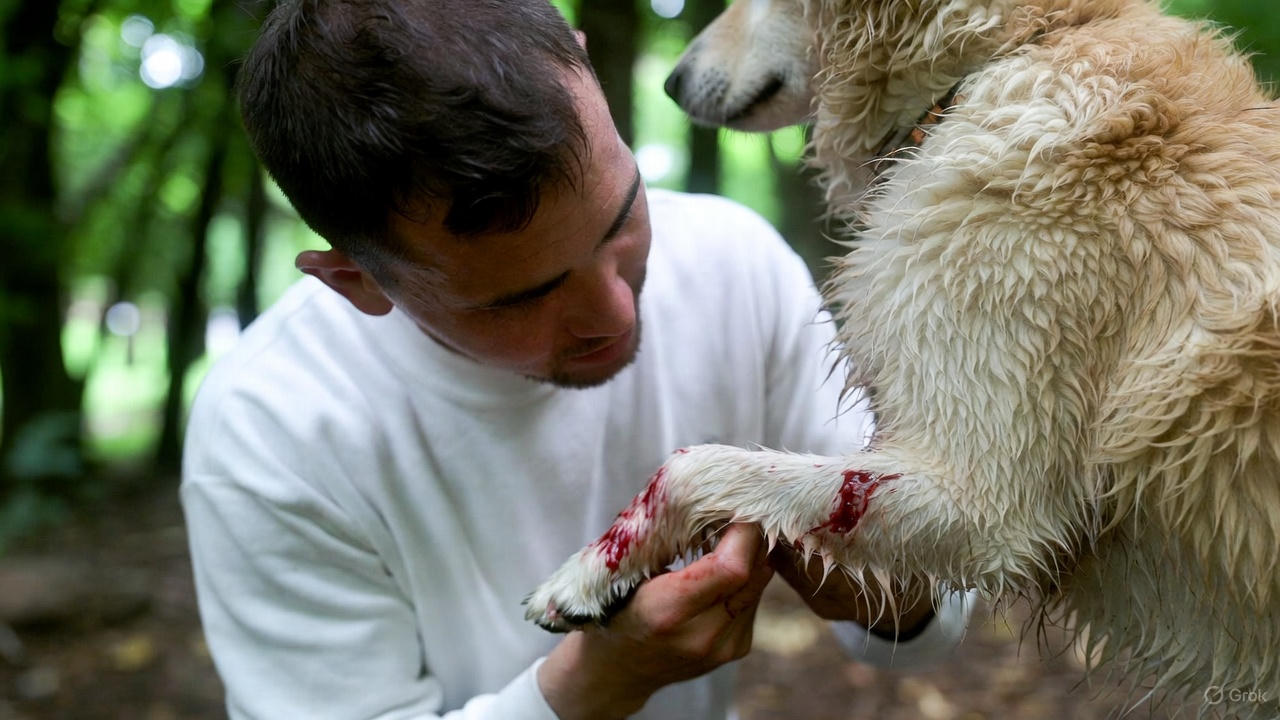
Check yourself before handling your dog. An injured, frightened dog might bite without meaning to, even if they’ve never shown aggression before. Approach slowly and speak in a soothing voice. If your dog seems aggressive or extremely fearful, consider using a makeshift muzzle or wait for professional help.
Now assess your dog’s condition. Look for obvious injuries, but don’t focus only on the bite site. Dogs often sustain multiple wounds during fights. Check their entire body, including under the fur where injuries hide easily.
When to Rush to the Emergency Vet
Some bites need immediate professional care. Don’t wait if you see:
Heavy bleeding that won’t stop after applying pressure for several minutes. Arterial bleeding pumps bright red blood in spurts and requires emergency treatment.
Deep puncture wounds that penetrate through the skin layers. These wounds can damage muscles, nerves, and blood vessels underneath.
Bites near the throat, chest, or abdomen. Internal injuries to organs can be life-threatening even when external wounds look minor.
Your dog shows signs of shock: pale gums, rapid breathing, weakness, or collapse. Shock can kill quickly without treatment.
Multiple or severe lacerations that gape open or expose underlying tissue. Large tears often need surgical repair and proper closure.
Any injury to the face or eyes. Facial wounds can affect breathing and eating, while eye injuries can cause permanent vision loss.
Your dog can’t walk or cries in severe pain. This might indicate broken bones or serious soft tissue damage.
Trust your gut. If something feels seriously wrong, err on the side of caution and head to the vet.
Treating Minor Dog Bites at Home
For small punctures, shallow cuts, or scrapes, you can provide first aid at home. Here’s your step-by-step process:
Control any bleeding first. Apply clean gauze or a towel directly to the wound with firm, steady pressure. Hold it there for at least three to five minutes without peeking. Most minor bleeding stops within this timeframe.
Clip the fur around the wound carefully with blunt-ended scissors. This prevents hair from getting into the injury and makes cleaning easier. Be gentle and avoid cutting your dog’s skin.
Clean the wound thoroughly. Use lukewarm water to flush out debris, dirt, and bacteria. You can use a gentle stream from a faucet or fill a clean cup to pour water over the wound. Do this for several minutes.
Apply an antiseptic solution. Diluted chlorhexidine or povidone-iodine works well for cleaning dog wounds. These solutions kill bacteria without damaging tissue like hydrogen peroxide can. Avoid using alcohol, which stings and can harm healing tissue.
Pat the area dry with clean gauze or a soft towel. Don’t rub, as this can reopen bleeding or damage the wound edges.
Cover the wound if it’s in a location your dog can reach. Use non-stick gauze pads secured with medical tape or a light bandage. Change this dressing at least once daily or whenever it gets wet or dirty.
Watch your dog closely. Prevent licking, chewing, or scratching at the wound. An Elizabethan collar (cone) might be necessary despite how much dogs hate them.
Monitoring for Infection
Even properly treated bites can become infected. Dog mouths contain loads of bacteria that easily contaminate wounds. Watch for these warning signs over the next few days:
Increased swelling, redness, or warmth around the bite site suggests infection is brewing. Some swelling is normal in the first day or two, but it should gradually improve, not worsen.
Pus or discharge that’s yellow, green, or foul-smelling indicates bacterial growth. Clear or slightly pink fluid in small amounts is normal during healing.
Your dog develops a fever. Normal dog temperature ranges from 101 to 102.5 degrees Fahrenheit. Anything above 103 degrees needs veterinary attention.
The wound opens up or gets larger instead of healing. Infected wounds often break down and spread.
Your dog becomes lethargic, stops eating, or acts painful. Systemic signs mean infection might be spreading through the bloodstream.
Red streaks extend from the wound site. This shows infection traveling along blood vessels or lymph channels.
Call your veterinarian if you notice any of these symptoms. Infections need antibiotics and sometimes surgical cleaning to resolve properly.
Pain Management for Your Injured Dog
Dogs often hide pain, but bite wounds hurt. Your dog needs relief to rest comfortably and heal properly.
Never give human pain medications without veterinary approval. Common over-the-counter drugs like ibuprofen and acetaminophen are toxic to dogs. Even aspirin, which veterinarians sometimes prescribe, can cause serious side effects when dosed incorrectly.
Your vet can prescribe safe pain relief options like carprofen, meloxicam, or tramadol. They’ll calculate the correct dose based on your dog’s weight and health status.
Cold compresses help reduce swelling and numb pain in the first 24 hours after injury. Wrap ice packs in a towel and apply for 10 minutes at a time, several times daily.
After the first day, warm compresses can improve blood flow and promote healing. Use a clean cloth soaked in warm water, wrung out, and applied gently to the area.
Keep your dog quiet and restricted. Activity increases pain and can reopen wounds. Set up a comfortable resting area and limit exercise to short bathroom breaks on a leash.
Understanding Puncture Wounds
Puncture wounds deserve special attention because they’re deceiving. The small entry hole on the skin surface looks minor, but dog teeth create deep, narrow wounds that trap bacteria inside.
These wounds close up quickly on the surface while infection festers underneath. The bacteria from the biting dog’s mouth get sealed inside, creating an abscess—a pocket of pus that forms under the skin.
Signs of an abscess include:
A firm or soft lump that appears days after the bite. The swelling might feel hot to the touch. Your dog may react painfully when you press on the area. Sometimes the abscess bursts open, releasing thick, smelly pus.
Puncture wounds often need veterinary care even when they look small. Your vet might need to open and drain the wound, flush it thoroughly, and place a drain to prevent it from closing prematurely.
Dealing with Lacerations and Tears
Lacerations—cuts that slice through the skin—often bleed more than punctures but sometimes heal better because they stay open and drain naturally.
Small tears under an inch long with clean edges might heal on their own with good wound care. Keep them clean, covered, and monitor closely.
Large lacerations usually need stitches (sutures). Veterinarians typically close wounds within six to eight hours of injury for the best results. After this window, contamination increases and stitches become riskier.
Your vet might choose different closure methods:
Traditional sutures work well for most lacerations. They hold wound edges together while new tissue forms underneath.
Surgical staples close some wounds quickly, though they’re not suitable for all locations.
Surgical glue can seal small, superficial cuts in low-tension areas.
Some wounds stay open intentionally to heal from the inside out. This second-intention healing takes longer but reduces infection risk in contaminated wounds.
Antibiotics and When They’re Needed
Not every dog bite requires antibiotics, but many do. Your veterinarian makes this decision based on several factors.
High-risk bites that typically need antibiotics:
Puncture wounds that penetrate deeply. Bites to the face, feet, or over joints. Wounds involving crushing injuries. Bites in dogs with weakened immune systems. Injuries showing signs of infection.
Common antibiotics prescribed for dog bites:
Amoxicillin-clavulanate (Clavamox) covers a broad range of bacteria commonly found in dog mouths. Cephalexin works as an alternative for some dogs. Clindamycin treats anaerobic bacteria that thrive in deep wounds.
Give antibiotics exactly as prescribed. Complete the entire course even if your dog seems better. Stopping early allows resistant bacteria to survive and multiply.
Caring for Bandages and Dressings
If your vet applies a bandage or you’re managing one at home, proper care is crucial.
Keep bandages dry. Water weakens adhesives and creates a breeding ground for bacteria. Use a plastic bag or special waterproof cover during bathroom breaks in wet weather.
Check the bandage daily. Look for signs it’s too tight: swelling above or below the bandage, chewing at the bandage constantly, or foul odor coming from underneath.
Watch for slipping bandages. They become ineffective and can bunch up, cutting off circulation. Redo loose bandages or head to the vet for replacement.
Change bandages as directed. Most need replacement every 24 to 48 hours to prevent moisture buildup and allow wound inspection.
Prevent your dog from removing the bandage. That cone of shame might be necessary despite your dog’s protests.
The Healing Timeline
Dog bite wounds heal at different rates depending on their severity and location.
Superficial scrapes and small cuts typically heal within 7 to 10 days. You’ll see new pink tissue (granulation tissue) forming as the wound closes.
Puncture wounds take 10 to 14 days to heal on the surface, though deeper tissue continues repairing for weeks.
Surgical wounds closed with sutures need 10 to 14 days before stitch removal. The underlying tissue takes longer to regain full strength.
Large or complicated wounds can take several weeks to months for complete healing.
During recovery, fresh tissue looks pink and slightly raised. This is normal. The skin gradually remodels and flattens over time. Hair might regrow differently or not at all over large scars.
Preventing Future Dog Fights
Once you’ve dealt with the immediate crisis, think about prevention.
Identify what triggered the fight. Was it resource guarding over food or toys? Territorial behavior? Overarousal during play? Fear or anxiety? Understanding the cause helps you avoid repeat incidents.
Supervise all dog interactions closely, especially if you have multiple dogs at home. Never leave dogs alone together unsupervised if there’s any history of conflict.
Manage resources carefully. Feed dogs separately in different areas. Pick up toys and high-value items when dogs are together. Give each dog their own space where they can retreat.
Learn canine body language. Recognize the warning signs before fights happen: stiff body posture, hard staring, raised hackles, growling, or showing teeth. Interrupt these interactions before they escalate.
Consider professional help. A certified dog trainer or veterinary behaviorist can assess the situation and create a management plan if fights happen repeatedly.
Long-Term Complications to Watch For
Most dog bites heal without lasting problems, but complications can occur.
Chronic infections develop when bacteria persist despite treatment. These stubborn infections might need culture testing to identify specific bacteria and find the right antibiotic.
Nerve damage from deep bites can cause numbness, weakness, or abnormal sensations. Some nerve injuries heal over months, while others cause permanent deficits.
Scarring and hair loss are common after significant wounds. The healed skin might look different than surrounding areas and may not grow hair normally.
Behavioral changes sometimes follow traumatic dog fights. Your dog might become fearful, anxious, or aggressive around other dogs. Work with a professional if you notice lasting behavior shifts.
Special Considerations for Specific Body Parts
Head and neck bites need careful attention because they’re close to vital structures. The throat, in particular, is dangerous territory. Even small wounds here can affect breathing or swallowing.
Leg and paw injuries often take longer to heal because dogs can’t keep weight off them completely. Bandaging is trickier on limbs, and dogs tend to chew at these locations more.
Chest and abdominal bites carry risk of internal injury even when the surface wound looks minor. Teeth can penetrate the chest wall or abdominal cavity, damaging organs inside.
Tail and ear bites bleed heavily because these areas have excellent blood supply. They’re also hard to bandage effectively and prone to reopening.
Cost Considerations for Treatment
Dog bite treatment costs vary wildly based on severity.
Simple first aid supplies for home treatment might cost $20 to $50 for antiseptics, gauze, and bandages.
Basic veterinary exam and treatment for minor wounds typically runs $150 to $300, including examination, wound cleaning, and possibly antibiotics.
Emergency care for severe bites can range from $500 to several thousand dollars if surgery, hospitalization, or intensive care is needed.
Pet insurance covers dog bite injuries in most policies, though you’ll pay your deductible first. Review your policy to understand your coverage.
Your Emotional Response Matters Too
Dealing with an injured dog is stressful. Give yourself permission to feel worried, upset, or scared. These reactions are completely normal.
Take care of yourself while caring for your dog. Get help from family or friends if you need support. Don’t hesitate to ask your veterinarian questions—they’re there to help you both.
Watch for signs of trauma in yourself too. Some people develop anxiety or fear after witnessing dog fights. Talk to someone if you’re struggling emotionally.
Final Thoughts on Dog Bite Treatment
Treating a dog bite on another dog requires quick thinking, proper first aid, and knowing when professional help is necessary. Minor wounds often heal well with home care, but don’t hesitate to seek veterinary attention for anything concerning.
Your dog depends on you to make the right call. When in doubt, it’s always better to have a vet check the injury than to risk complications from delayed treatment. With proper care and monitoring, most dogs recover fully and return to their normal, happy selves.
Keep your vet’s phone number handy, maintain a well-stocked first aid kit, and stay calm during emergencies. Your preparation and quick response can make all the difference in your dog’s outcome after a bite injury.

Hi, I’m Mary, the founder of PetGadgetPro.com. I’m a passionate pet lover with a special place in my heart for dogs and cats. I share practical advice and honest insights on pet gear to help pet parents make better choices. My dedicated research team studies products in depth, and our writers create reviews using trusted, authentic sources—so you can feel confident choosing the best for your pets.