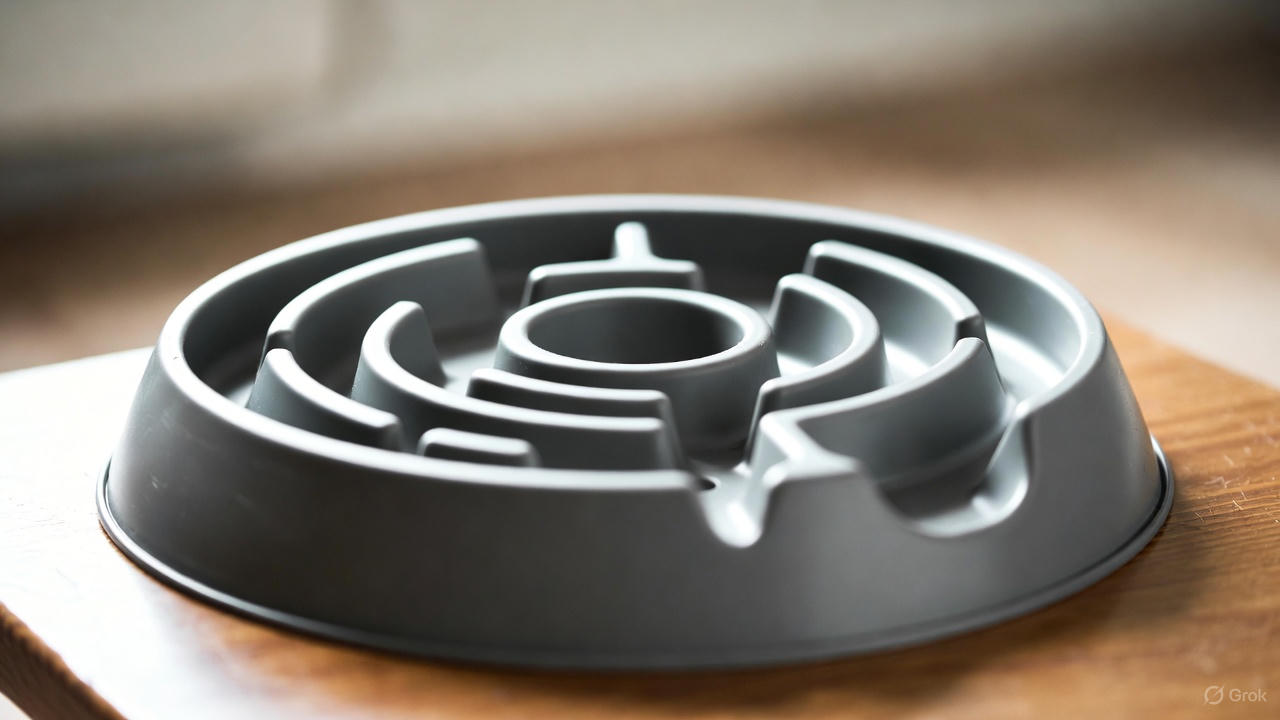
5 Best Cat Slow Feeder In 2026
Does your cat gulp down meals like there’s no tomorrow? You’re not alone. Many cat owners struggle with pets who treat every meal like a speed-eating competition. This behavior can lead to serious digestive problems, vomiting, and even long-term health issues. The solution might be simpler than you think: a slow feeder bowl.
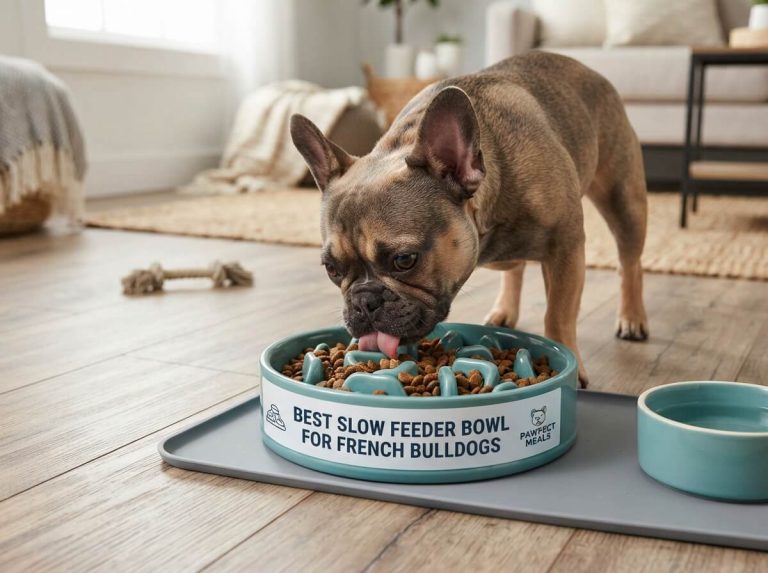
Slow feeder bowls are specially designed feeding solutions that encourage cats to eat at a healthier pace. These innovative bowls feature ridges, mazes, or raised patterns that make your cat work a little harder for each bite. The result? Better digestion, reduced vomiting, and a more satisfying mealtime experience.
In this comprehensive guide, we’ll explore the top five slow feeder bowls available right now. Each product has been carefully evaluated based on design, functionality, material quality, and real user experiences. Let’s dive into finding the perfect slow feeder for your cat.
Why Your Cat Needs a Slow Feeder Bowl
Before we jump into product reviews, it’s important to understand why slow feeding matters. Cats who eat too quickly face several health risks that can impact their quality of life.
Fast eating causes your cat to swallow excessive air along with their food. This leads to bloating, discomfort, and frequent regurgitation. You’ve probably witnessed your cat eating their meal only to vomit it back up minutes later. This isn’t just messy—it’s a sign of digestive distress.
Rapid consumption also prevents proper digestion. When food isn’t chewed adequately and enters the stomach too quickly, your cat’s digestive system can’t process nutrients effectively. Over time, this can contribute to weight management issues and poor overall health.
Slow feeder bowls address these problems by turning mealtime into a puzzle. Your cat must navigate around obstacles to reach their food, naturally slowing their eating pace. This simple change can dramatically improve their digestive health and reduce anxiety-related eating behaviors.
How to Choose the Right Slow Feeder
Not all slow feeder bowls work the same way. Some cats respond better to certain designs than others. Here’s what you should consider when shopping.
The material matters more than you might think. Ceramic bowls offer excellent durability and stability. They’re heavy enough to stay in place during enthusiastic eating sessions. Ceramic is also easy to clean and doesn’t retain odors. However, these bowls can chip or crack if dropped.
Silicone feeders provide flexibility and are virtually unbreakable. They’re dishwasher safe and often feature non-slip bases. The downside? Some determined cats can flip lightweight silicone bowls if they get frustrated.
Plastic options are budget-friendly and come in various designs. Look for BPA-free, food-safe materials. The challenge with plastic is that it can scratch easily, creating places for bacteria to hide.
Design complexity is another crucial factor. If you’re introducing slow feeding for the first time, start with simpler patterns. Your cat needs time to adapt to this new feeding style. Overly complex designs might frustrate beginners and discourage them from eating.
Bowl height and elevation play important roles, especially for older cats or those with arthritis. Raised bowls reduce neck strain and promote better posture during meals. A slight tilt can help food pile naturally, making it easier for your cat to access.
The size should match your cat’s food portions. A bowl that’s too small requires multiple refills. One that’s too large might not effectively slow eating for smaller meals. Consider your cat’s typical serving size when making your choice.
Product Review #1: MateeyLife Small Slow Feeder Cat Bowls (2-Pack)
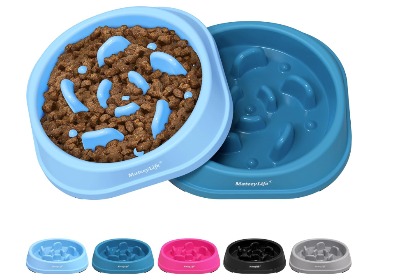
The MateeyLife set brings a practical two-bowl solution to slow feeding challenges. This twin pack comes in eye-catching blue and gray colors, giving you a backup bowl for cleaning rotations or multi-cat households.
Product Description
These bowls measure 6 inches in width and length with a 2.2-inch height, making them perfect for small breed cats and dogs. Each bowl holds up to 1 cup of food, which is ideal for standard meal portions. The maze pattern inside features ridges and obstacles strategically placed to slow eating by up to 10 times.
The construction uses PP polypropylene material, which is food-safe and free from harmful chemicals. This plastic is durable enough to withstand daily use without cracking or warping. The anti-slip base keeps the bowls stable on various surfaces, preventing sliding and spills during mealtime.
The design accommodates all food types. Whether you feed dry kibble, wet food, or raw diets, these bowls handle everything. The gaps between raised sections are wide enough for easy tongue access but challenging enough to slow down eating effectively.
Standout Features
The most impressive aspect of these bowls is their accessibility. The raised sections stay low enough that cats can comfortably reach food without frustration. Some slow feeders create such difficult puzzles that cats give up, but MateeyLife strikes the right balance between challenge and usability.
Cleanup is remarkably simple. These bowls are top-rack dishwasher safe, saving you time and effort. Hand washing works great too—just use warm soapy water and rinse thoroughly. The maze pattern doesn’t trap food particles as much as you might expect.
The interactive element keeps cats mentally engaged. The puzzle-like feeding process taps into natural foraging instincts. Many owners report reduced anxiety and boredom in their cats after switching to these bowls.
Pros
The twin pack offers excellent value. Having two bowls means one can be in the dishwasher while the other is in use. This convenience factor shouldn’t be underestimated for busy pet owners.
Durability stands out in user reports. Cats can be rough on their feeding equipment, but these bowls hold up well over time. The material resists scratches and maintains its shape even with daily use.
The non-slip base proves effective across different floor types. Whether you have tile, hardwood, or laminate flooring, these bowls stay put during enthusiastic eating sessions.
Versatility with food types makes these bowls practical for various feeding routines. You’re not locked into dry food only—the design works equally well with wet meals.
Cons
The 1-cup capacity might be limiting for larger cats or multi-cat households feeding together. You’ll need to refill more frequently if your cat eats bigger portions.
Some cats take several days to adapt to the maze design. During this adjustment period, they might show frustration or refuse to eat from the bowl initially. Patience is key when introducing these feeders.
The lightweight construction, while making the bowls easy to handle, can be a drawback for extremely determined eaters. A few owners report their cats managing to flip or push the bowls around despite the non-slip base.
Who Should Buy This
This product works best for owners of small to medium-sized cats who eat too quickly. If your cat regularly vomits after meals or shows signs of digestive distress, these bowls can make a real difference.
The twin pack especially appeals to multi-cat households or anyone who wants a backup bowl. The price point makes trying slow feeding accessible without a major investment.
Product Review #2: Y YHY Ceramic Cat Slow Feeder with Elevated Design
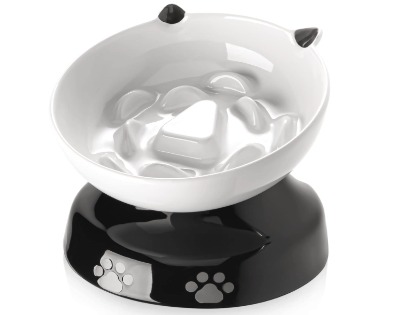
Y YHY brings elegance and functionality together in this ceramic slow feeder. The cat-shaped design isn’t just cute—it serves a practical purpose in encouraging slower, healthier eating habits.
Product Description
This elevated bowl stands 4.4 inches tall with a tilted design that promotes comfortable eating posture. The ceramic construction feels substantial, weighing enough to prevent tipping while staying manageable for daily handling.
The slow feeder pattern features raised columns arranged in a cat face shape. These obstacles create a maze effect that naturally extends mealtime. The spacing allows cats to access food easily while preventing rapid gulping.
The tilted angle keeps food piled toward the center of the bowl. This design prevents food from spreading too thin and makes every bite accessible. The tilt also reduces neck strain, particularly beneficial for senior cats or those with mobility issues.
The ceramic material offers smooth, non-porous surfaces that resist bacterial growth. This makes the bowl safer and more hygienic than many plastic alternatives. The finish also helps prevent “black chin” in cats—a condition caused by bacteria buildup on plastic bowls.
Standout Features
The elevation changes the game for cats with joint problems. By raising the food bowl, cats don’t need to crouch as low during meals. This improved posture aids digestion and reduces strain on aging joints.
The ceramic material provides excellent thermal properties. Food stays at a consistent temperature longer than in plastic bowls. This matters for cats who prefer their wet food slightly warmed.
Cleaning couldn’t be easier. The smooth ceramic surface rinses clean quickly, and the bowl is dishwasher safe. Unlike bowls with intricate patterns, this design doesn’t trap food particles in hard-to-reach spots.
Pros
The elevated design genuinely helps with digestion. Multiple owners report reduced vomiting incidents after switching to this raised feeder. The improved eating position allows food to travel more smoothly to the stomach.
Durability exceeds expectations. Ceramic bowls can last years with proper care. This bowl shows no signs of wear even after months of daily use, according to customer reviews.
The aesthetic appeal deserves mention. This bowl looks attractive in any home setting. The sleek design fits modern decor while serving a practical purpose.
The weight provides excellent stability. At approximately 1.5 pounds, this bowl stays firmly in place. Even enthusiastic eaters can’t push it around the floor.
Cons
The ceramic construction means fragility. Drop this bowl on a hard floor, and it will likely chip or shatter. Extra care is needed during handling and washing.
The capacity seems smaller than expected for some users. While adequate for standard portions, larger cats might need refills. The elevated design reduces the usable bowl depth slightly.
The price point sits higher than plastic alternatives. However, many owners feel the durability and benefits justify the investment.
Some cats need time adjusting to the raised height. Kittens or very small cats might find the elevation initially challenging.
Who Should Buy This
This feeder suits owners of senior cats or those with arthritis particularly well. The elevated design provides tangible comfort benefits for aging felines.
If aesthetics matter to you, this ceramic bowl delivers both function and style. It’s a premium option that doesn’t compromise on effectiveness.
Cats prone to “black chin” issues benefit from the ceramic material. The non-porous surface prevents bacterial buildup that causes this condition.
Product Review #3: Catstages Cat Slow Feeder Bowl with Puzzle Design
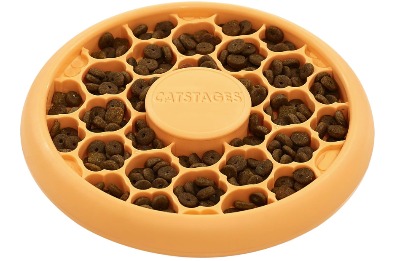
Catstages created a budget-friendly option that doesn’t sacrifice quality. This orange bowl combines interactive feeding with mental stimulation, making mealtime more engaging for curious cats.
Product Description
The bowl measures approximately 6 inches across with a shallow depth suitable for cats. It holds up to 1/2 cup of food—perfect for portion control and smaller meal servings. The bright orange color makes it easy to spot in your feeding area.
The design features 30 paw-shaped compartments arranged in a circular pattern. These small wells create a puzzle that cats must solve to access their food. The compartments vary slightly in depth, adding complexity to the challenge.
Made from food-safe plastic, this bowl contains no BPA, PVC, phthalates, or lead. The material feels sturdy despite being lightweight. A non-slip base with textured rings helps keep the bowl stationary during use.
The shallow design specifically addresses whisker fatigue—a condition where sensitive whiskers become uncomfortable touching bowl sides. Cats can eat without their whiskers pressing against edges.
Standout Features
The puzzle element provides genuine mental enrichment. Cats don’t just eat—they engage in problem-solving behavior. This mental stimulation can reduce boredom and destructive behaviors throughout the day.
The 30-compartment design offers the right level of challenge. Food spreads across multiple small wells, forcing cats to work for each bite. However, the compartments aren’t so deep that accessing food becomes frustrating.
Versatility with food types impresses users. Both dry kibble and wet food work well in this design. The compartments are shaped perfectly for paw scooping, which many cats naturally prefer.
Top-rack dishwasher safe convenience makes cleanup painless. The plastic material dries quickly and shows no staining from wet food use.
Pros
The price makes this an accessible entry point for slow feeding. At a fraction of the cost of premium bowls, it’s low-risk to try this feeding method.
The interactive design truly slows eating. User reviews consistently mention dramatic reductions in eating speed. Some cats take 10-15 minutes to finish meals that previously disappeared in under a minute.
The portion control capacity helps with weight management. The 1/2 cup size encourages proper serving sizes and prevents overfeeding.
Durability surprises many buyers. Despite being plastic, this bowl withstands daily use without showing wear. The material doesn’t crack or become scratched easily.
Cons
The 1/2 cup capacity limits this bowl to smaller meals. Cats with larger appetites need multiple servings, which can be inconvenient.
Some cats initially struggle with the paw-shaped compartments. The adjustment period might involve frustration or reluctance to eat. Starting with familiar food helps ease this transition.
The lightweight construction makes it less stable than heavier options. A few determined cats figure out they can flip or push the bowl. Using a feeding mat underneath helps prevent this.
The shallow depth, while good for whisker fatigue, means food can scatter more easily during enthusiastic eating. You might find kibble pieces around the bowl area.
Who Should Buy This
This bowl excels for cats who need mental stimulation during meals. If your cat shows signs of boredom or requires enrichment activities, this puzzle feeder serves double duty.
Budget-conscious buyers get tremendous value here. The low price point doesn’t mean low quality—it’s simply a more affordable material and manufacturing process.
Cats with whisker sensitivity appreciate the shallow, wide design. If your cat hesitates at traditional deep bowls, this shallow alternative might be the solution.
Product Review #4: Silicone Slow Feeder Cat Bowl (Green and Blue)
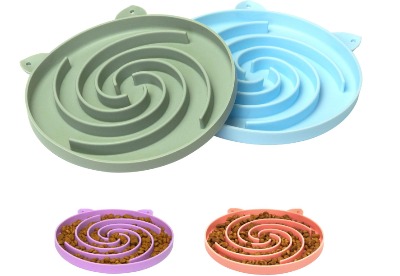
This silicone option brings flexibility and durability together in a practical package. The green and blue color scheme adds visual appeal while delivering effective slow feeding benefits.
Product Description
The bowl measures approximately 6.3 inches in diameter with a low profile of just 0.63 inches. This compact design works well in tight feeding spaces or for cats who prefer eating close to the ground.
The silicone construction uses food-grade material that’s completely free from plastics, BPA, and phthalates. This soft, flexible material is heat-resistant and can handle both refrigerator and microwave use if needed.
A spiral maze pattern dominates the interior design. The curved channels force cats to navigate around obstacles to reach food. The pattern effectively spreads food across the bowl surface, preventing quick consumption.
The non-slip bottom features specialized texturing that grips various floor surfaces. This prevents the bowl from sliding during meals, even on smooth tile or hardwood floors.
Standout Features
The silicone material offers unique advantages. Unlike ceramic or plastic, silicone is virtually indestructible. Drop it, and it bounces. No chipping, cracking, or shattering to worry about.
Cleaning is exceptionally simple. The smooth, non-porous surface doesn’t allow food or oil to accumulate. Rinse under water or pop it in the dishwasher—either way, it cleans up in seconds.
Temperature flexibility adds versatility. Need to warm wet food slightly? This bowl is microwave safe. Want to prep cold treats? It’s freezer safe too. This adaptability suits various feeding routines.
The softness of silicone provides unexpected benefits. Cats with sensitive teeth or gums find the material gentler than hard plastic or ceramic. The flexibility also means it’s easier to extract stubborn food pieces.
Pros
The durability factor can’t be overstated. This bowl will likely outlast most other feeding options. Silicone maintains its properties through years of use without degrading.
The low profile design suits cats who dislike eating from elevated positions. Some cats prefer staying close to the ground while eating—this bowl accommodates that preference.
Portability makes this ideal for travel. Roll it up, pack it in a bag, and you have a feeding solution wherever you go. The flexibility and light weight make it travel-friendly.
The color options add personality to feeding areas. The green and blue combination looks fresh and modern in most home settings.
Cons
The lightweight nature can be problematic for aggressive eaters. Despite the non-slip base, some cats manage to push or flip the bowl during frustrated moments.
The spiral design, while effective, can trap small kibble pieces. You might need to shake the bowl or help your cat access the last few pieces of food.
Some cats take longer to adjust to silicone texture. The material feels different from traditional bowls, which can cause initial hesitation.
The capacity, while adequate for most cats, might be limiting for larger portions. The shallow depth means you can’t pile food too high without risking spills.
Who Should Buy This
This product suits owners who want a virtually indestructible slow feeder. If you’ve broken ceramic bowls or worn out plastic ones, silicone offers a lasting solution.
Travelers and those who feed cats in multiple locations appreciate the portability. The flexibility makes it easy to transport and store.
Households with multiple cats benefit from the durability and easy cleaning. You can quickly wash and reuse the bowl for different pets throughout the day.
Product Review #5: S&Q’s CERAMICS Raised Slow Feeder Cat Bowl (Pink)
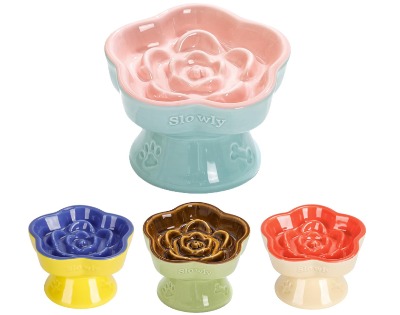
S&Q’s CERAMICS combines artistic design with practical slow feeding benefits. The flower-shaped pattern creates an attractive bowl that serves a serious purpose in improving your cat’s eating habits.
Product Description
This pink ceramic bowl stands 4.2 inches tall with a 5.8-inch diameter. The elevation and 15-degree tilt work together to create optimal eating ergonomics. The flower design features five petals with raised ridges between them.
The ceramic material undergoes high-temperature firing for exceptional durability. The result is a dense, non-porous surface that resists odor absorption and bacterial growth. The weight—approximately 2 pounds—provides excellent stability.
The raised pattern inside creates a natural maze effect. Food settles between the flower petals, requiring cats to work around obstacles. The ridges are low enough for comfortable access but effective at slowing eating pace.
The tilted design keeps food from spreading too thin. As your cat eats, remaining food naturally slides toward the center, staying easily accessible throughout the meal.
Standout Features
The flower design isn’t just decorative—it functions brilliantly. The petal arrangement creates natural channels that slow eating by up to 10 times. The aesthetic appeal means this bowl enhances your home decor rather than detracting from it.
The elevation and tilt combination addresses multiple issues simultaneously. It reduces neck strain, promotes better digestion, and prevents food spillage. This thoughtful design shows real understanding of feline eating behaviors.
The ceramic quality exceeds typical mass-market bowls. The material feels substantial and well-made. The finish is smooth and even, with no rough spots or imperfections.
Maintenance is straightforward. The bowl is both microwave and dishwasher safe. The ceramic doesn’t retain odors even after months of use with wet food.
Pros
The stability is outstanding. At 2 pounds, this bowl doesn’t budge during meals. Cats can eat enthusiastically without worrying about the bowl sliding away.
The elevated design provides genuine comfort benefits. Owners of senior cats report noticeable improvements in eating posture and reduced joint discomfort.
The slow feeding effectiveness receives consistent praise. Cats who previously vomited regularly show dramatic improvement after switching to this bowl.
The aesthetic appeal makes it suitable for any room. Unlike garish plastic bowls, this ceramic piece looks intentional and attractive in your home.
Cons
The ceramic material requires careful handling. It will break if dropped on hard surfaces. This fragility means extra caution during cleaning and moving.
The price point positions this as a premium option. It costs more than plastic alternatives, though many users feel the quality justifies the expense.
The flower pattern can trap small particles in the ridges. While not difficult to clean, it requires slightly more attention than perfectly smooth bowls.
The capacity might be small for very hungry cats. The design limits how much food you can put in without overflow.
Who Should Buy This
This bowl suits owners who value both function and aesthetics. If you want a slow feeder that looks as good as it works, this is your best option.
Senior cat owners find the elevated, tilted design particularly beneficial. The ergonomic advantages help aging cats eat more comfortably.
Those willing to invest in quality appreciate the ceramic construction. This isn’t a disposable purchase—it’s a long-term feeding solution.
Making the Right Choice for Your Cat
Now that we’ve explored all five options, how do you decide which slow feeder suits your cat best?
Consider your cat’s eating style first. Aggressive speed eaters need more complex puzzle designs. The MateeyLife or Catstages options provide good challenges without excessive frustration. Moderately fast eaters might do well with simpler patterns like the silicone bowl.
Age and mobility matter significantly. Senior cats or those with arthritis benefit enormously from elevated options. The Y YHY and S&Q’s CERAMICS bowls both offer this advantage. The height reduction in neck strain can transform mealtimes for aging felines.
Your lifestyle and maintenance preferences play a role. If convenience is paramount, the silicone bowl offers the easiest cleanup and most durability. For those who don’t mind hand washing and prefer premium materials, ceramic options deliver superior aesthetics and hygiene.
Budget considerations are valid. The Catstages bowl provides excellent value for money. It’s a low-risk way to test whether slow feeding works for your cat. Once you see the benefits, you might upgrade to a more permanent solution.
Food type influences your choice too. Wet food users should lean toward bowls with simpler patterns that don’t trap moisture. The Y YHY or silicone options handle wet food particularly well. Dry kibble works in any of these feeders.
Tips for Introducing a Slow Feeder
Even the best slow feeder won’t work if your cat refuses to use it. Here’s how to ensure a smooth transition.
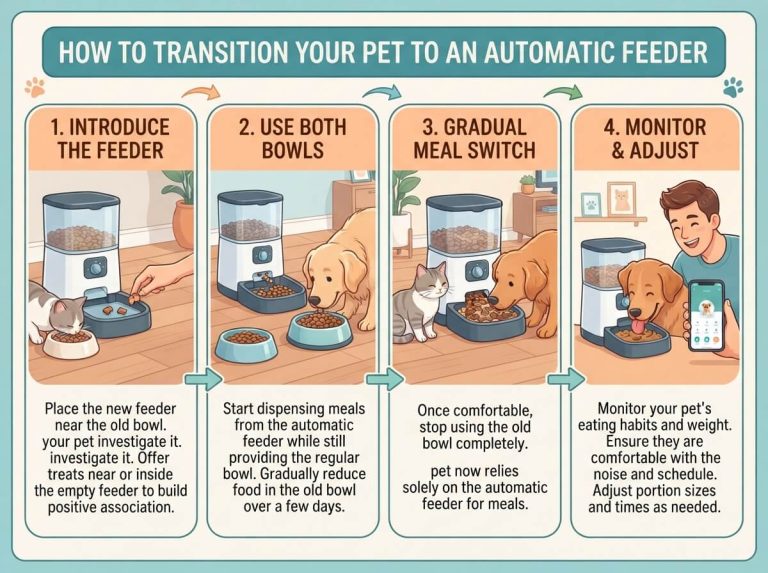
Start gradually rather than making an abrupt switch. Place the slow feeder next to your cat’s regular bowl at first. Let them investigate and become familiar with it before putting food inside.
Begin with small amounts of food in the slow feeder. Mix this with feeding from the regular bowl. Over several days, shift more food to the slow feeder until it becomes the primary feeding method.
Use highly motivating food during the initial phase. If your cat has favorite treats or wet food, put those in the slow feeder first. Success with preferred foods builds confidence for regular meals.
Be patient during the adjustment period. Some cats adapt immediately, while others need a week or more. Don’t give up if your cat seems frustrated at first—this is normal and temporary.
Monitor your cat’s progress and adjust as needed. If they’re genuinely struggling, you might need a simpler design initially. You can always progress to more complex feeders later.
Common Questions About Slow Feeders
Many cat owners have similar concerns when considering slow feeders. Let’s address the most frequent questions.
Will this frustrate my cat? Initially, yes, some frustration is normal. However, most cats quickly learn the game and actually enjoy the challenge. The key is starting with an appropriate difficulty level for your cat’s experience.
Can I use this for wet food? Most slow feeders handle wet food well. Ceramic and silicone options work particularly effectively. Plastic bowls also function fine, though they might retain odors more than other materials.
How do I clean these bowls properly? Most slow feeders are dishwasher safe. For hand washing, use warm water and mild dish soap. A bottle brush helps reach into maze patterns. Rinse thoroughly to remove all soap residue.
Will my cat still get enough food? Absolutely. Slow feeders don’t reduce food quantity—they only extend eating time. Your cat receives the same portions, just at a healthier pace.
How much slower will my cat eat? This varies by design and individual cat. Most slow feeders extend mealtime by 5-10 times. A cat who previously ate in 30 seconds might take 5-10 minutes.
Understanding the Long-Term Benefits
Investing in a slow feeder provides benefits that extend far beyond reduced vomiting. The improvements touch multiple aspects of your cat’s health and wellbeing.
Digestive health improves dramatically over time. Proper chewing and slower eating allow digestive enzymes to work effectively. Food breaks down more completely, leading to better nutrient absorption. Many owners notice improved stool quality after switching to slow feeders.
Weight management becomes easier when cats eat slowly. The slower pace allows satiety signals to reach the brain before overeating occurs. Cats feel satisfied with appropriate portions rather than demanding more food.
Mental stimulation during meals reduces boredom-related behaviors. Cats need enrichment activities, and puzzle feeders provide this during every meal. This can decrease destructive behaviors and anxiety throughout the day.
The feeding routine becomes more enjoyable for both you and your cat. No more cleaning up vomit shortly after meals. No more worry about your cat choking or gagging. Peaceful, comfortable mealtimes benefit everyone in the household.
Final Recommendations
Each of the five slow feeders reviewed here excels in different areas. Your final choice depends on your specific situation and priorities.
For the best overall value and versatility, the MateeyLife twin pack delivers impressive functionality at a reasonable price. The two-bowl setup provides convenience that single-bowl options can’t match.
If premium quality and ergonomics matter most, the Y YHY ceramic slow feeder offers superior design and construction. The elevated position provides tangible benefits for aging cats or those with mobility issues.
Budget-conscious buyers seeking proven effectiveness should consider the Catstages option. Despite the low price, it performs admirably and provides excellent mental stimulation.
The silicone bowl wins for durability and travel-friendliness. If you need a feeding solution that can withstand anything, this is your answer.
For those who want an attractive bowl that performs beautifully, the S&Q’s CERAMICS flower design combines form and function perfectly. It’s an investment in both your cat’s health and your home’s aesthetics.
Taking Action for Your Cat’s Health
Fast eating isn’t a personality quirk—it’s a health risk that slow feeders effectively address. The sooner you introduce proper feeding solutions, the sooner your cat experiences the benefits.
Start by observing your cat’s current eating habits. Time how long meals take. Note any vomiting or digestive distress. This baseline helps you measure improvement after switching to a slow feeder.
Choose the feeder that best matches your cat’s needs and your lifestyle preferences. Don’t overthink it—any of these five options will provide benefits over a standard bowl.
Remember that patience during the transition period pays off. Most cats adapt within a week and show measurable improvements in digestion and overall comfort.
Your cat depends on you to make healthy choices for their care. A slow feeder represents a simple change that creates lasting positive impacts on their wellbeing. The investment—both financially and in time—proves worthwhile when you see your cat eating comfortably and staying healthy.
Take that first step today. Your cat’s digestive system will thank you, and you’ll enjoy the peace of mind that comes with knowing you’re providing optimal care for your feline companion.
Hi, I’m Mary, the founder of PetGadgetPro.com. I’m a passionate pet lover with a special place in my heart for dogs and cats. I share practical advice and honest insights on pet gear to help pet parents make better choices. My dedicated research team studies products in depth, and our writers create reviews using trusted, authentic sources—so you can feel confident choosing the best for your pets.