
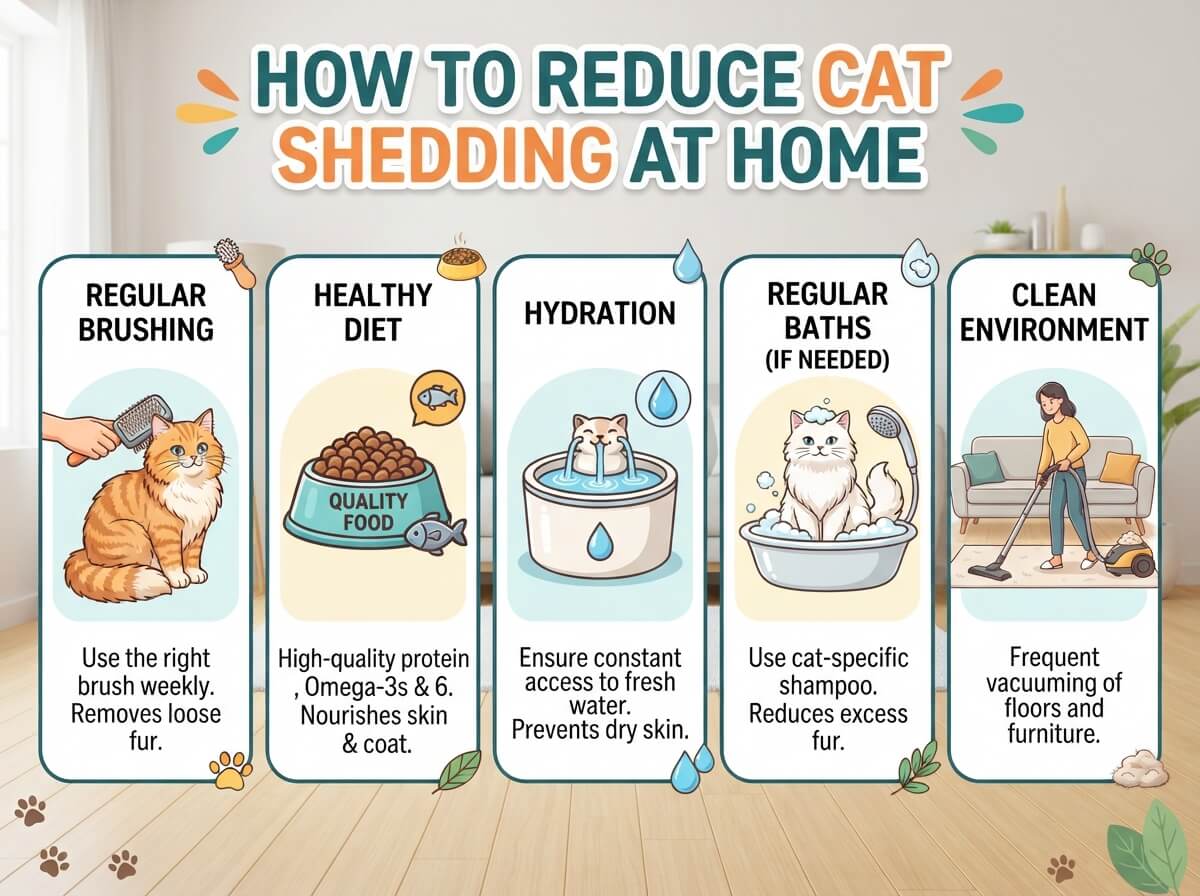
How to Reduce Cat Shedding at Home?
If you live with a cat, you know the struggle. Cat hair ends up everywhere—on your clothes, your couch, your kitchen counters, even in your coffee. It’s frustrating, and it happens because cats shed. The good news? You can actually do a lot to reduce the amount of fur flying around your home.
This guide walks you through practical, simple steps that really work. You don’t need expensive equipment or complicated routines. Just solid tips that fit into your daily life.
Why Do Cats Shed So Much?
Before we get into solutions, let’s talk about why this happens in the first place.
Cats shed fur naturally. It’s just part of being a cat. They lose old hair to make room for new growth. Think of it like how you lose hair in the shower—totally normal and healthy.
Most cats go through shedding cycles. When the weather gets warmer, they drop their thick winter coat. When it cools down, they grow in a heavier fur layer for insulation. This seasonal shedding causes the most noticeable hair loss in your home.
But here’s the thing: indoor cats shed year-round because of artificial lighting and heating. Your home stays at a steady temperature all the time, so your cat’s body doesn’t get the same temperature signals that outdoor cats do. This means your indoor cat sheds consistently throughout the year rather than having two big shedding seasons.
Some cat breeds naturally shed more than others. Long-haired cats like Maine Coons, Persians, and Ragdolls produce more loose fur than short-haired breeds. If you have one of these breeds, expect more hair to deal with.
Stress also makes cats shed more. A scared or anxious cat loses fur faster than a relaxed one. Cats are sensitive creatures, and changes to their environment—new pets, moving to a different home, loud noises—can trigger excessive fur loss.
Start With Regular Brushing and Grooming
The most effective way to cut down on cat hair in your home? Brush your cat regularly.
When you brush your cat, you remove loose fur before it falls out on your furniture and clothes. You catch the hair on the brush instead of having it drift around your house. It’s that simple, and it works incredibly well.
Start by getting the right tools. A slicker brush works great for most cats. It has fine wires close together that grab loose fur effectively. For long-haired cats, use a metal comb in addition to a slicker brush. The comb helps you get deeper into thick fur and find mats before they become problems.
Short-haired cats do well with rubber brushes or grooming gloves. These tools feel less intimidating to cats and often work just as well as traditional brushes.
How often should you brush? Aim for at least three to four times per week for short-haired cats. Long-haired cats need daily brushing to stay on top of shedding and prevent matted fur. Yes, every single day. I know that sounds like a lot, but it takes just five to ten minutes and saves you from finding huge chunks of fur rolling across your floor.
Make brushing a positive experience. Do it when your cat feels calm and playful. Talk to your cat in a gentle voice. Keep sessions short at first, especially if your cat isn’t used to being brushed. Give treats as a reward. Over time, most cats start to enjoy the attention and actually look forward to grooming sessions.
Pro tip: Brush your cat in a bathroom or outside if you can. This keeps loose hair contained in one area instead of spreading throughout your home.
Keep Your Cat’s Diet Healthy
What your cat eats directly affects how much they shed. A poor diet leads to dull, weak fur that falls out more easily. Good nutrition produces healthy skin and a strong coat that doesn’t shed excessively.
High-quality cat food makes a real difference. Look for food that lists real meat as the first ingredient. Cats are carnivores, and they thrive on diets rich in protein and fat. Cheap pet food often contains lots of fillers and low-quality ingredients that don’t support healthy skin.
Omega-3 and omega-6 fatty acids do wonders for your cat’s coat. These healthy fats reduce inflammation, strengthen hair roots, and improve overall fur quality. Some premium cat foods include these naturally, but you can also add them separately.
Fish oil supplements work well for cats. Just check with your vet about the right dose for your cat’s weight. Some cats eat it straight from a spoon, while others do better with capsules you can open and mix into their food.
Make sure your cat stays hydrated. Dehydrated cats develop dry skin, which leads to more shedding. Leave fresh water out at all times. Some cats prefer running water, so a cat water fountain might encourage them to drink more.
Avoid sudden diet changes. Switch to new food gradually over seven to ten days. Abrupt food changes upset your cat’s stomach and can trigger stress-related shedding.
Control the Environment
Your home’s environment affects how much your cat sheds. Small changes to temperature, humidity, and stress levels make a big impact.
Indoor air gets very dry, especially when you use heating or air conditioning. Dry air dries out your cat’s skin, which increases shedding. A humidifier adds moisture to the air and helps keep your cat’s skin healthy. Keep humidity levels between 40 and 60 percent for the most comfortable environment.
Temperature matters too. Cats shed more in warmer environments. Keep your home at a comfortable temperature—around 70 degrees Fahrenheit works well for most cats and people. Don’t crank up the heat unnecessarily.
Stress causes your cat to shed more. Create a calm, stable environment. Keep loud noises to a minimum. Provide quiet spaces where your cat can hide and relax. Use calming pheromone diffusers like Feliway if your cat seems anxious. These diffusers release cat-specific scent signals that naturally soothe cats.
Maintain a consistent routine. Cats feel safer when life follows a predictable pattern. Feed them at the same time each day. Play with them during the same hours. This stability reduces stress and helps keep shedding under control.
Clean Strategically and Efficiently
While you work on reducing shedding, you still need to manage the hair that does fall out. Smart cleaning keeps your home cleaner without taking up all your time.
Lint rollers are your friend. Keep them in every room, especially where your cat spends time. Roll over furniture cushions, blankets, and clothes regularly. It takes just a minute and stops hair from accumulating.
Vacuum frequently. A good vacuum designed for pet hair makes this job easier. Look for one with strong suction and a motorized brush roll. Vacuum high-traffic areas at least twice a week. Do bedrooms and living rooms where your cat hangs out most often.
Washable furniture covers protect your couch and chairs. Throw covers over furniture in your cat’s favorite spots. You can wash these covers regularly, and they keep cat hair off your actual furniture. Plus, you can change them if they get too hairy without buying new furniture.
Wash cat bedding once a week. Your cat sleeps in their bed, so it collects a lot of loose fur. Regular washing keeps the bedding fresh and removes trapped hair.
Air filters need attention too. Cat hair clogs up your home’s air filters faster than usual. Check them monthly and change them more often than you normally would. Clean air filters help your heating and cooling system run better and keep pet hair from circulating through your home.
A lint brush works on fabric-covered furniture and in hard-to-reach spots where a vacuum can’t go. Just brush gently in one direction to gather loose hair.
Bathe Your Cat (Sometimes)
Most cat owners don’t bathe their cats, and that’s fine—cats are famously good at cleaning themselves. But occasional baths can help remove loose fur before it falls out in your home.
Not all cats tolerate baths well. If your cat hates water, don’t force it. Stressed cats shed more, which defeats the purpose. But if your cat is calm around water, baths every four to six weeks can reduce shedding.
Use lukewarm water and cat-specific shampoo. Never use human shampoo or dog shampoo—these can irritate cat skin. Fill a sink or tub with just a few inches of water. Wet your cat gently, apply shampoo, and rinse thoroughly. Have towels ready to dry your cat afterward.
Keep the experience positive. Talk to your cat calmly, move slowly, and give lots of treats. A single good experience makes it easier next time.
An alternative to full baths: waterless shampoos and dry shampoos for cats. These products absorb oils and loose fur without needing water. Just rub them into your cat’s coat and brush out the dry shampoo. Your cat stays dry and happy, and you still remove loose hair.
Know When to Call the Vet
Normal shedding means finding fur around your home but not noticing bald patches on your cat’s skin. Healthy cats don’t have obvious hair loss in specific spots.
Excessive shedding sometimes signals a health problem. If your cat suddenly sheds way more than usual, that’s worth checking out. Allergies, infections, parasites, and hormonal issues all cause abnormal fur loss.
Fleas are a common culprit. Even indoor cats can get fleas, and flea allergy dermatitis makes cats lose hair. If you notice scratching along with hair loss, call your vet.
Ringworm, despite its name, is actually a fungal infection, not a worm. It causes circular patches of hair loss and spreads easily between cats and humans. This needs veterinary treatment.
Thyroid problems, especially in older cats, increase shedding. Your vet can run simple blood tests to check thyroid function.
Stress-related alopecia happens when anxious cats lick themselves too much and pull out their own fur. This shows up as bald patches, usually on the legs, belly, or lower back. Your vet can help identify the cause of stress and recommend solutions.
If your cat seems otherwise healthy, grooming frequently, eating well, and shedding within normal range, you probably don’t need a vet visit just for shedding. But when something seems off, it’s always better to check.
Use Air Purifiers
An air purifier can’t stop your cat from shedding, but it does pull loose fur and dander out of the air. Your lungs will thank you too, especially if you have allergies.
Look for purifiers with HEPA filters. These filters catch tiny particles like pet hair and dander. Place purifiers in rooms where your cat spends most of their time—usually the bedroom and living room.
Run your purifier constantly for the best results. Yes, it uses electricity, but the benefit to your home’s air quality and reduced visible floating hair makes it worth it.
Handle Seasonal Shedding
Even if you do everything right, you’ll notice heavier shedding during certain times. Heavy shedding cycles happen because of natural instincts, even for indoor cats.
During peak shedding seasons, increase grooming frequency. If you normally brush three times a week, step up to daily brushing during heavy shedding periods. Vacuuming more often also helps.
Don’t panic about seasonal shedding. It’s normal and temporary. The extra fur falls out over a few weeks, and then things calm down again.
Make It a Routine
The best way to manage cat shedding long-term is to build it into your regular routine.
Pick specific days to vacuum. Make it a habit, like vacuuming every Sunday and Wednesday. You’ll notice a difference within weeks.
Set aside five minutes for brushing right after breakfast or dinner when you already have your cat nearby. It becomes automatic, not a task you need to remember.
Check lint rollers and replace empty ones. Keep backups in multiple rooms so you never run out.
Monitor your cat’s behavior and appearance. You’ll start to notice patterns—more shedding after stressful events, less when your cat’s diet improves.
The Bottom Line
Cat shedding is manageable. You won’t eliminate it completely—that’s not realistic. But you absolutely can reduce the amount of fur floating around your home and ending up on every surface.
Regular brushing makes the biggest difference. Do this first and see how much it helps. Add the other strategies—good nutrition, humid air, strategic cleaning—and you’ll find your home stays cleaner.
Your cat will appreciate the attention and grooming. Most cats bond more closely with their owners when they get regular brushing sessions. You both win: less hair on your furniture, a healthier cat, and more quality time together.
Start with one or two changes this week. Maybe pick up a good brush and commit to grooming three times weekly. Next week, add something else—perhaps checking your cat’s food quality or placing a humidifier in the main living area.
Building these habits takes time, but it works. Give it a month and you’ll notice the difference. Your floors stay cleaner. Your clothes have less cat hair. Your home simply feels more manageable.
That’s the real goal here—not eliminating shedding, but taking control of it so you can enjoy life with your cat without constantly fighting loose fur. With consistent effort and the right approach, you absolutely can reduce cat shedding and keep your home cleaner.