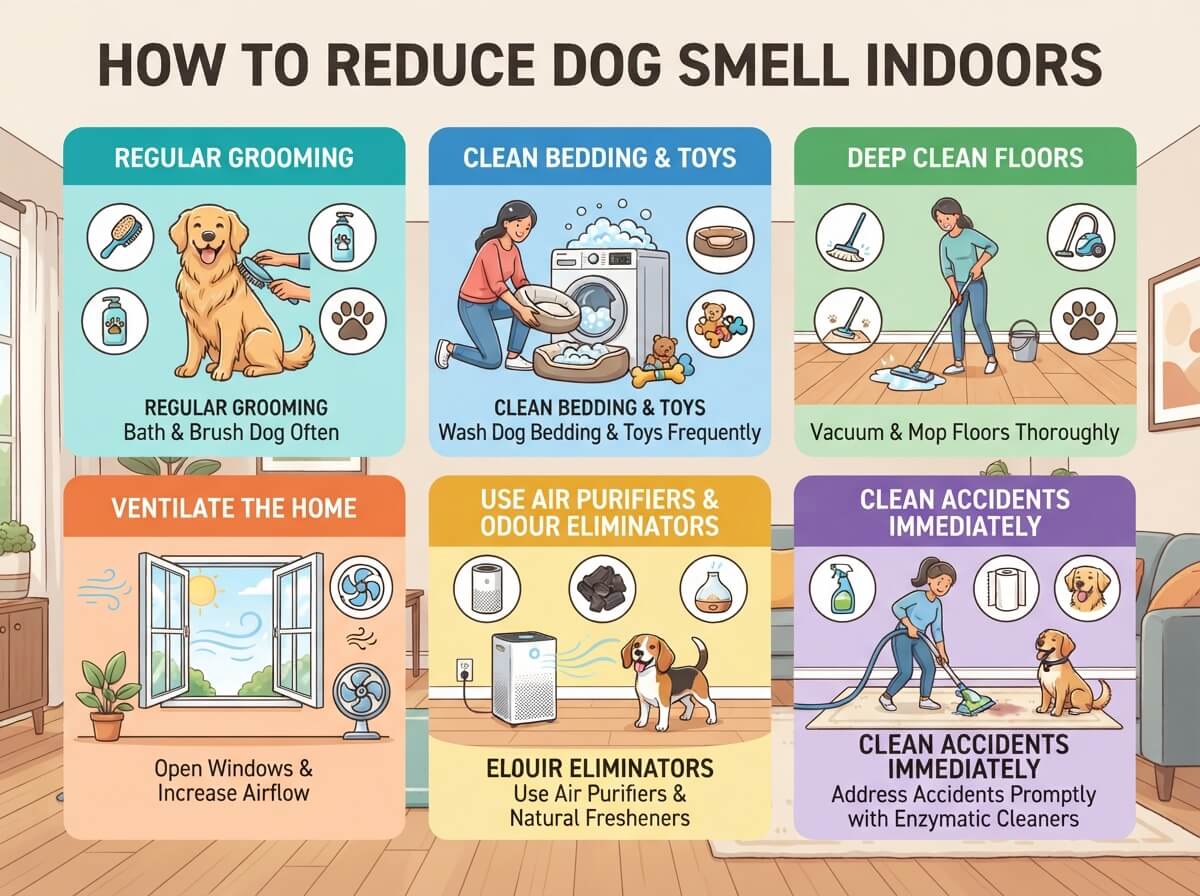
How to Reduce Dog Smell Indoors?
Your furry best friend brings so much joy to your life, but let’s be honest—sometimes your home starts smelling a bit too much like a dog. The wet dog smell, the stale odor that hangs around, or that funky scent in the corners can really take over your space. The good news? You don’t have to choose between loving your pup and having a fresh-smelling home. You can do both.
This guide walks you through practical, easy methods to get rid of dog odors inside your house. We’ll cover everything from simple daily habits to deeper cleaning techniques that actually work. No complicated solutions or expensive equipment needed—just real strategies that dog owners use every day.
Why Your Home Smells Like Dog (And What You Can Do About It)
Before we jump into solutions, let’s talk about where these smells come from. Your dog carries natural oils on their skin and fur. As they move around your home, these oils transfer to furniture, bedding, and carpets. Add a little shedding, occasional accidents, or a wet dog fresh out of the rain, and you’ve got a recipe for indoor odor.
The good news is that dog odor in houses comes from predictable sources. That means you can tackle them one by one. Once you know what causes the smell, fighting it becomes much easier.
Your pet’s skin naturally produces oils that keep their coat healthy. But these same oils build up on surfaces around your home and create that strong dog smell. When your pup gets wet, those oils get activated and the scent gets worse. Sweat and bacteria also play a role. If your dog has skin issues or yeast problems, the smell gets even stronger.
Accidents on the floor or furniture add another layer. Dog urine smell is one of the toughest odors to remove because it soaks deep into materials. The bacteria in urine multiply over time and create a persistent smell that regular cleaning misses.
Regular Grooming Is Your First Defense
The easiest way to keep your home smelling better is to start with your dog. A clean dog means a better-smelling house. This is the most direct way to eliminate dog smell before it builds up on your furniture and floors.
Bathe your dog every four to eight weeks with a good-quality dog shampoo. This removes the buildup of oils, dirt, and bacteria on their skin and coat. If your dog swims or plays outside a lot, you might bathe them more often. Dogs that stay mostly indoors can go longer between baths.
Regular brushing matters just as much. Brush your dog at least three times a week, more if they shed heavily. Brushing removes dead hair and reduces the amount of shedding around your home. Less hair on furniture means less odor clinging to those surfaces.
Don’t forget about your dog’s ears and paws. Ears can trap moisture and bacteria, creating a musty smell. Clean them out once a week with a damp cloth. Paws pick up dirt and bacteria from outside. Wipe them down when your dog comes back in, especially after rainy weather.
Your dog’s bedding needs regular washing too. Wash their bed or blanket every week or two in hot water. This kills bacteria and removes the smell that builds up in fabric. If your dog sleeps on your furniture, wash those cushion covers and blankets just as often.
Keep Up With Daily Cleaning Habits
Daily cleaning prevents odors from building up in the first place. These simple habits work together to keep your space fresh.
Vacuum your floors and furniture at least three times a week. The vacuum sucks up hair, dander, and the dirt your dog brings inside. This reduces the material that creates odor. Get into corners and under furniture where hair and dust collect. A handheld vacuum works great for couches and chairs.
If you have hardwood or tile floors, sweep them daily and mop with a pet-safe cleaner once or twice a week. This catches hair and bacteria before they break down and smell.
Spot-clean accidents as soon as they happen. The longer urine or other accidents sit, the deeper they soak into materials and the harder they are to remove. Blot up the area right away, then treat it with an enzymatic cleaner made for pet odors. These cleaners break down the bacteria causing the smell, not just mask it.
Open your windows when the weather allows. Fresh air does wonders for any home. Air circulation helps push out stale smells and brings in freshness. If you have ceiling fans, run them to keep air moving through the rooms where your dog spends time.
Target the Spots Where Smell Builds Up
Your dog has favorite spots in the house. These places accumulate the most odor because your pup spends the most time there.
The dog bed is ground zero for smell. Wash it weekly in hot water with a pet-safe detergent. If it’s beyond washing, replace it. A new bed is cheaper than fighting bad smells all year. You can also sprinkle baking soda on the bed, let it sit for thirty minutes, then vacuum it up. The baking soda absorbs odors naturally.
Furniture where your dog likes to rest also builds up smell fast. If your dog sleeps on the couch, wash those cushion covers regularly. Use a fabric freshener spray made for pets, or make your own by mixing baking soda with essential oils like lavender or lemon. Sprinkle it on the fabric, wait fifteen minutes, then vacuum it up.
Curtains and drapes trap odors. Wash them once a month if your dog spends time near them. If they’re dry-clean only, take them to the cleaner or use a fabric spray designed for pet odors.
Your dog’s food and water bowls need daily cleaning. Bacteria grows in old food residue and creates a musty smell. Wash bowls in hot soapy water every day. Dry them thoroughly before refilling them.
Deep Clean Carpets and Rugs
Carpets hold onto dog smell like nothing else. If you have carpet, you need a carpet-cleaning strategy.
Rent or buy a carpet cleaning machine made for pet odors. Fill it with a pet-safe carpet cleaner and run it over your carpets twice a month. The hot water and cleaning solution lift the odors right out of the fibers. This works way better than spot cleaning alone.
If you don’t have access to a machine, hire a professional carpet cleaner who specializes in pet odors. They have industrial-strength equipment and products that reach deep into the carpet where smells hide. It costs money upfront, but it solves the problem.
For small areas or rugs, use baking soda first. Sprinkle it generously on the carpet, let it sit for a few hours or overnight, then vacuum it up thoroughly. The baking soda absorbs odors as it sits. Follow this with a spray cleaner or carpet shampoo.
If your carpet has stubborn spots, treat them with an enzymatic cleaner. These cleaners contain natural enzymes that break down the organic material causing the smell. They work on dried accidents that regular cleaners miss.
Use Scent Absorbers and Neutralizers
While you’re fixing the root causes of dog odor, scent absorbers help keep your space smelling fresh right now.
Baking soda is your secret weapon. It’s cheap, safe, and actually absorbs odors instead of just covering them up. Sprinkle it on carpets, furniture, and dog beds. Leave it for twenty minutes to a few hours, then vacuum it up. You can even put open boxes of baking soda in corners of rooms where smell lingers.
Activated charcoal works similarly. It absorbs odors and works well in small spaces like closets or the area around the litter box. You can buy activated charcoal bags at most stores.
Air purifiers made for pet odors can help. These machines filter the air and remove floating odor particles. They won’t solve all your problems, but they work best when combined with cleaning.
Fabric fresheners designed for pets spray directly on furniture and carpets. Spray them lightly and let them dry. Some people make their own by mixing water with a few drops of pet-safe essential oil like lavender or lemon.
Scented candles made for pet homes burn slowly and freshen the air. Just make sure they’re non-toxic and safe if your dog might knock them over. Always keep them out of reach.
Open bowls of white vinegar left around your home absorb odors. Vinegar smells strong at first, but the smell goes away as it absorbs odors. Place bowls in problem areas overnight. The next day, your room will smell fresher and less like vinegar.
Deal With Accidents and Problem Areas
Dog urine smell is the hardest indoor pet odor to beat. You need a special approach to truly eliminate it.
Never use ammonia-based cleaners on dog urine. Ammonia smells similar to urine, and your dog might think that spot is okay to use again. Stick with enzymatic cleaners made specifically for pet urine.
Find all the spots where accidents happened. Some might be obvious, but others dry and fade from sight. Use a blacklight flashlight to find old urine spots on floors and furniture. These lights make urine glow so you know exactly where to treat.
For fresh accidents, blot up as much as possible with paper towels. Don’t rub—just press down to soak up the liquid. Then saturate the area with enzymatic cleaner. Follow the product instructions exactly. Most need to sit for several hours or overnight to work properly.
For old, dried accidents, the enzymatic cleaner needs more time. Soak the area generously with the cleaner and cover it with plastic wrap to keep it wet. Let it work for twelve to twenty-four hours. The longer it sits, the better it breaks down the smell.
If your dog has accidents on hardwood floors, the urine can soak down to the wood and create a permanent problem. You might need to sand and refinish those spots. If the damage is too deep, you may need to replace the boards.
For tile or vinyl, enzymatic cleaners work well because they don’t absorb into the material like carpet does. Just make sure to rinse thoroughly so the floor isn’t slippery.
Improve Ventilation Throughout Your Home
Fresh air is one of the most underrated tools for fighting dog odor. Better air flow keeps smells from settling and building up.
Open windows for at least thirty minutes every day when the weather allows. Even in winter or hot weather, cracking a window helps. The moving air cycles out stale smells.
Install or maintain bathroom and kitchen exhaust fans. These fans pull moist, stale air out of your home. Run them whenever your dog is inside, especially if your dog has been wet or sweaty.
Clean your home’s air filters and HVAC vents regularly. Dust and pet hair clog these filters and trap odors. Dirty filters also reduce air circulation, making smells linger. Replace HVAC filters every thirty days if you have a dog.
Ceiling fans keep air moving in rooms where your dog spends time. Running them on low speed continuously helps prevent odors from settling on furniture and fabric.
If you live somewhere you can’t open windows much, consider a humidifier or air purifier. These don’t replace fresh air, but they help when weather keeps windows closed.
Make Smart Furniture and Floor Choices
If you’re planning to get new flooring or furniture, think about dog odor from the start. Some materials trap smell more than others.
Hard floors like tile, laminate, or vinyl don’t absorb odors the way carpet does. They’re easier to clean when accidents happen. If you have carpet now and it’s a constant battle, replacing it with hard flooring is a real solution. It’s a bigger investment, but it might be worth it.
Leather and microfiber furniture resist odor better than natural fabrics. They’re easier to wipe down and clean. If you choose a light color, you’ll notice stains and odors forming sooner, which pushes you to clean more regularly.
When you do buy new furniture or carpet, treat it with a pet odor protector. These products create a barrier that helps resist stains and odors. They’re not foolproof, but they help.
Choose washable slipcovers for your couches. They’re easy to throw in the washing machine weekly. This prevents smells from building up in the couch itself.
Manage Your Dog’s Health
Sometimes, strong dog smell means your dog has a health issue. Certain conditions create worse odors than normal.
Dogs with skin allergies often smell bad. The itching causes them to scratch and create wounds. Bacteria build up in these areas and create stronger odors. If your dog smells unusually bad, talk to your vet.
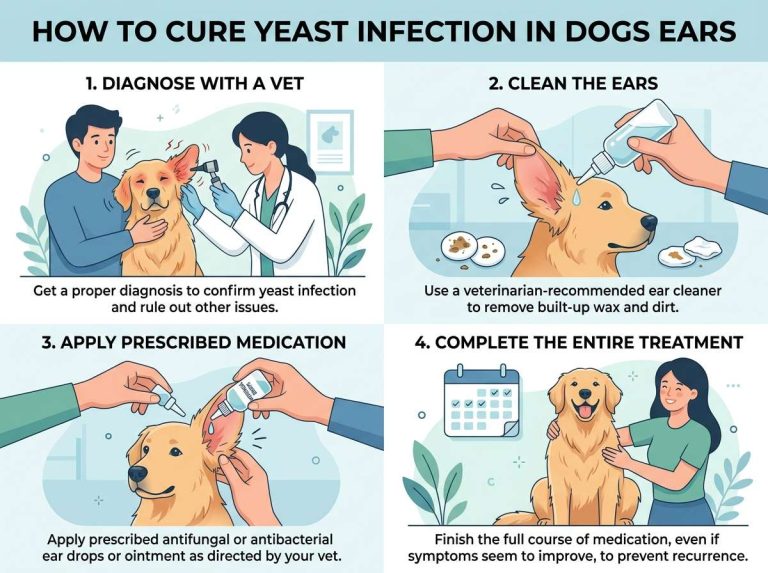
Ear infections make dogs smell musty. Clean ears regularly and see a vet if your dog scratches their ears a lot or shakes their head.
Some dogs have glandular issues or yeast problems that increase their natural odor. Your vet can help diagnose and treat these conditions.
Dental problems create bad breath that fills a room. Regular tooth brushing and vet checkups help prevent this. Some dogs need professional teeth cleaning at the vet’s office.
Older dogs sometimes develop stronger odors as their bodies change. Talk to your vet about any sudden increase in dog smell. It might signal a health issue that needs attention.
Your Dog Smell Battle Plan
Reducing dog odor inside your home works best when you combine several strategies. No single method fixes everything by itself. Instead, use a layered approach.
Start with grooming. A clean dog is the foundation of a fresh-smelling home. Bathe regularly, brush often, and keep bedding clean.
Next, establish daily cleaning habits. Vacuum frequently, spot-clean accidents right away, and wipe down surfaces.
Then, deep clean your carpets every couple of months. This removes the buildup that surface cleaning misses.
Use odor absorbers like baking soda to manage lingering smells while you work on the root causes.
Finally, improve ventilation by opening windows and running fans. Fresh air does half the work.
This combination tackles dog smell from every angle. You’ll notice improvement within a week, and big changes within a month.
Your dog deserves a clean, comfortable home, and so do you. With these strategies, you can have both. Your home can smell fresh and welcoming while still being a happy place for your canine companion. It takes effort, but the result—a home that smells clean and feels inviting—is worth it.
Start today with one or two strategies. Add more as you get comfortable with them. Soon, you’ll have a system that works for your home and your dog. That stubborn indoor pet odor doesn’t have to win. You can beat it with patience, consistency, and the right approach.