How Often Should You Groom a Dog?
If you just got your first dog, you’re probably wondering about a bunch of things—like how much exercise they need, what food is best, and how often you should actually bathe them. Dog grooming is one of those topics that doesn’t get enough attention, but it’s super important for your pet’s health and happiness. The truth is that grooming frequency depends on your dog’s breed, coat type, and lifestyle. Let’s dig into everything you need to know.
Why Your Dog Needs Regular Grooming
Before we talk about how often, let’s discuss why grooming matters in the first place. Dogs aren’t like humans—they can’t just shower whenever they want or trim their own nails. They rely on us to keep them clean and healthy.
Regular dog grooming keeps your pup’s coat in great shape. It removes dirt, debris, and dead hair that gets stuck in their fur. This prevents matting and tangling, which can actually hurt your dog’s skin. Grooming also gives you a chance to check for any skin issues, bumps, or parasites that might be hiding in your dog’s coat. You’ll catch ear infections early, spot dental problems, and notice if something seems off with your dog’s health.
Plus, let’s be honest—a well-groomed dog just looks and feels better. Dogs often get stressed, anxious, or uncomfortable when they’re dirty or their nails are too long. A good grooming session can actually help your dog relax and feel more like themselves.
Different Grooming Needs for Different Dog Types
Not all dogs need the same grooming routine. The answer to “how often should I groom my dog” really depends on what kind of dog you have.
Short-Haired Dogs
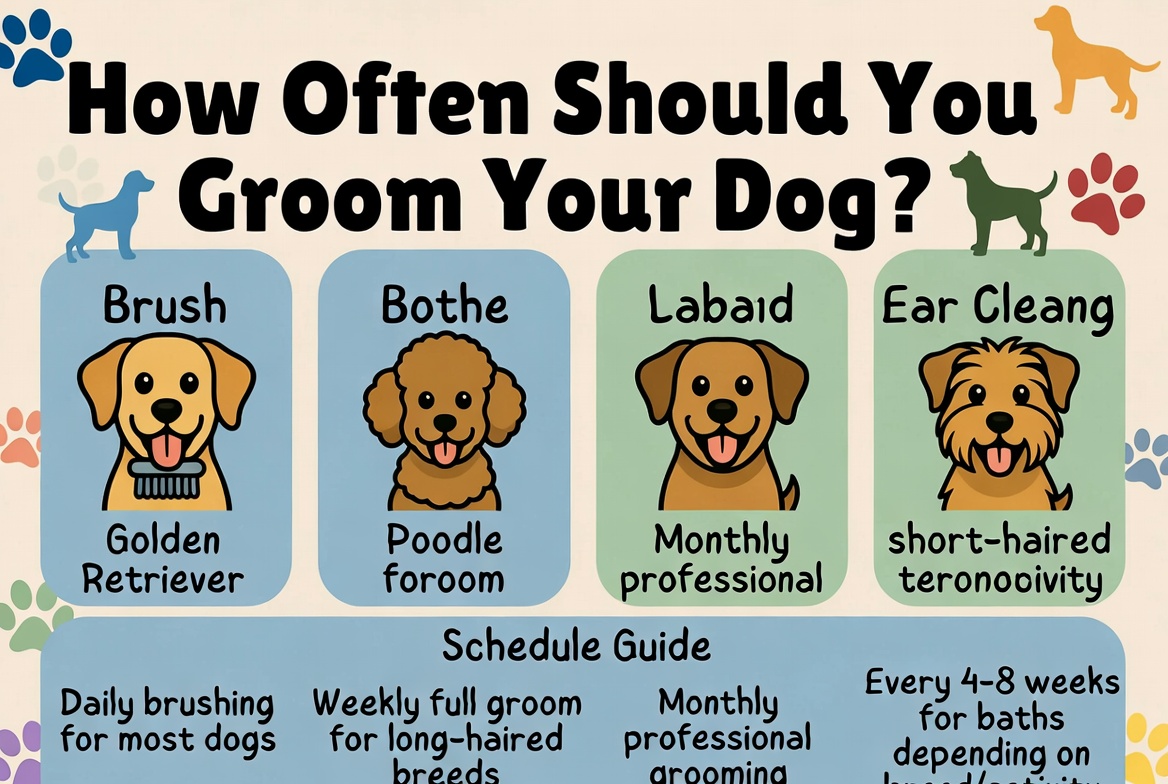
Short-haired breeds like Labradors, Beagles, and Boxer dogs need less intensive grooming than their fluffy friends. Most short-haired dogs do fine with a bath every 4 to 8 weeks. These pups naturally shed less, and their coats don’t tangle easily.
That said, short-haired dogs still need regular brushing—about two times per week. Brushing removes loose hair before it ends up all over your couch and helps distribute natural oils in their coat. This keeps their skin healthy and their coat shiny.
Medium-Length Coats
Dogs with medium-length fur like Golden Retrievers, Australian Shepherds, and Collies need more attention. Plan to bathe them every 6 to 8 weeks. These dogs shed more heavily and have coats that can mat if you don’t stay on top of things.
Brushing should happen at least three times per week, maybe even daily during shedding season. You’ll want to invest in a good slicker brush and an undercoat rake to really get into their double coat and remove all that loose hair before it becomes a problem.
Long-Haired Dogs
Long-haired breeds like Afghan Hounds, Shih Tzus, and Old English Sheepdogs need serious coat care. Bathe them every 4 to 6 weeks to keep their long hair from getting matted and dirty. Between baths, you should brush them daily—yes, every single day. This might seem like a lot, but it’s the only way to prevent painful mats and tangles that can pull on their skin.
Double-Coated Breeds
Huskies, German Shepherds, and Malamutes have a special double-coat situation. They have a soft undercoat and a tougher outer coat. These dogs need brushing two or three times per week, and during shedding season, daily brushing is your best friend. The undercoat rake is essential for these breeds. Bathe them every 8 to 12 weeks, as their coat naturally repels water and dirt.
Curly or Wiry-Coated Dogs
Poodles, Doodle mixes, and terrier-type dogs with curly or wiry coats need regular grooming to prevent matting. These coats tangle quickly and need brushing every other day or every day. You’ll want to bathe them every 3 to 6 weeks.
Many owners of curly-coated dogs take them to a professional groomer every 6 to 8 weeks for a full grooming session that includes trimming and shaping.
Breaking Down All the Grooming Tasks
Grooming isn’t just about bathing your dog. It involves several different tasks that all matter for your dog’s health and comfort.
Bathing Your Dog
How often you bathe your dog depends on their breed and lifestyle. A dog that plays outside in mud needs more baths than an indoor lapdog. Generally, dogs don’t need baths more than once per week—their skin can get dry and irritated if you overdo it.
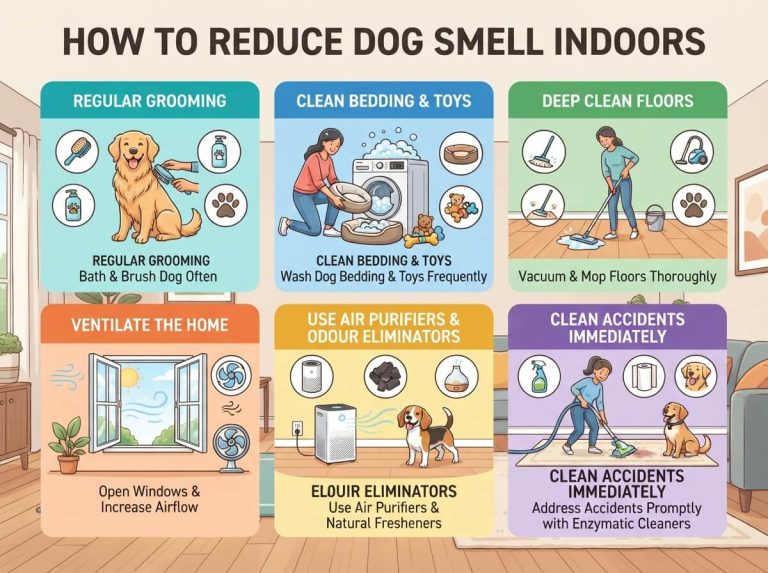
Use a dog shampoo made for their skin type. Human shampoo is too harsh for dogs. Wet your dog’s coat completely, apply shampoo, and massage it in gently. Rinse thoroughly until no shampoo remains. Some dogs do fine with dry shampoo between baths, which can freshen their coat and reduce odors.
Brushing and De-Shedding
Brushing does more than just make your dog look nice. It stimulates their skin, removes loose hair, and helps you spot any issues early. The type of brush you use matters:
- Slicker brushes work great for long and medium coats
- Undercoat rakes remove loose undercoat hair
- Bristle brushes work for short coats
- De-shedding tools like the FURminator can remove tons of loose hair during heavy shedding season
Nail Trimming
Dogs’ nails grow continuously, and many dogs don’t wear them down naturally. Long nails cause pain when your dog walks, can curl into their pads, and make it hard for them to move comfortably. Trim your dog’s nails every 3 to 4 weeks, or whenever you hear them clicking on the floor.
You can trim nails at home with dog nail clippers or take your dog to a groomer or vet. If you hear a clicking sound when your dog walks, that’s a sign their nails are too long.
Ear Cleaning
Your dog’s ears trap moisture and dirt, making them perfect spots for infections to start. Check your dog’s ears once a week and clean them every 2 to 4 weeks, depending on your dog’s breed and lifestyle. Dogs that swim need more frequent ear cleaning.
Use a dog-specific ear cleaning solution and cotton balls. Never use q-tips because you might damage the ear canal. Just wipe the outer ear and any visible dirt inside.
Teeth Brushing
Dental health matters more than most dog owners realize. Brush your dog’s teeth daily if possible, or at least three times per week. Use dog toothpaste—never human toothpaste, which can make dogs sick. This simple habit prevents dental disease, bad breath, and expensive vet bills down the road.
Eye and Face Cleaning
Some dogs, especially breeds with wrinkles or long hair around their face, need their eyes and face cleaned regularly. Wipe away any discharge with a soft cloth. Long-haired dogs might need the hair trimmed around their eyes so they can see clearly.
Seasonal Grooming Changes
Your dog’s grooming needs change with the seasons. Spring and fall are shedding season for most dogs, when their coat gets thicker or lighter. During these times, increase brushing frequency to prevent mats and reduce the amount of fur on your furniture.
Winter weather can dry out your dog’s skin, so you might need to bathe less frequently and maybe even use a moisturizing shampoo. Summer means more outdoor play and mud, so baths might increase. Some dogs even need more frequent nail trims if they’re active and running around on hard surfaces all the time.
Signs Your Dog Needs a Grooming Session
Your dog can’t tell you when they’re uncomfortable, so watch for these signs that grooming time has come:
- You see mats or tangles in their coat
- Their coat looks dull or feels oily
- You notice a bad smell (beyond normal dog smell)
- Their nails are clicking on the floor
- They’re scratching or licking their skin more than usual
- You see dirt or debris stuck to their fur
- Their ears smell bad or look red and irritated
- They’re having trouble walking or seem to be limping
- Their breath smells bad
- They’re scooting across the floor (often a sign of ear or anal gland issues)
Should You Groom at Home or Visit a Professional?
This depends on your dog’s breed, your comfort level, and your budget. Many dog owners do basic grooming at home—brushing, bathing, and nail trimming. These tasks become easier with practice.
Professional grooming is worth it for complex breeds that need trimming and shaping, or if you just don’t have time to do it all yourself. Professional groomers have the right tools and training to handle even the most difficult dogs. They can also spot health issues and recommend treatments.
A good middle ground is doing home maintenance between professional grooming visits. You could visit a groomer every 6 to 8 weeks for a full grooming session, then maintain the coat at home with regular brushing and spot cleaning.
Home Grooming Supplies You’ll Need
If you plan to groom your dog at home, invest in these tools:
- Dog shampoo and conditioner
- A good brush or two (match to your dog’s coat type)
- Dog nail clippers or a grinder
- Dog ear cleaning solution
- Dog toothbrush and toothpaste
- Towels for drying
- A non-slip mat for bathing
- Treats for rewards
You don’t need to spend a fortune—many affordable options work great for basic dog grooming routines.
Making Grooming Easier for Your Dog
Some dogs hate grooming, but you can make the experience better. Start grooming sessions when your dog is calm, not hyped up. Keep them short and fun, especially when your dog is young. Use lots of praise and treats to create positive associations.
Bathe your dog in lukewarm water, not hot. Dry them gently—aggressive rubbing can hurt. Let them shake off naturally. Trim nails when they’re relaxed, maybe after a walk when they’re tired.
Get your dog used to having their paws touched, ears handled, and face touched. This makes grooming less stressful when it actually happens. Some owners brush their dogs while watching TV, which turns it into a bonding activity instead of a chore.
The Health Benefits of Regular Grooming
Beyond looking good, regular grooming keeps your dog healthy. You’ll catch skin infections, parasites, and lumps early when they’re easier to treat. Clean ears prevent infections. Trimmed nails prevent pain and mobility issues. Brushed coats prevent matting that can cause skin problems.
Dogs with good grooming habits also tend to be healthier overall. They have fewer ear infections, dental disease, and skin issues. They move more comfortably and seem happier. Regular grooming is preventive medicine that costs way less than vet bills later.
Creating a Grooming Schedule
The best grooming schedule is one you can stick with. Sit down and figure out what works for your life. If your dog is a short-haired breed, you might plan for weekly brushing and monthly baths. If you have a long-haired dog, daily brushing and baths every 4 to 6 weeks work better.
Write it down or set phone reminders. Keep it on your calendar. Grooming becomes a habit when you build it into your routine. Many dog owners groom their dogs on the same day each week, like Sunday afternoon.
Final Thoughts on Dog Grooming Frequency
The answer to “how often should you groom a dog” isn’t one-size-fits-all. It depends on your specific dog’s breed, coat type, and lifestyle. A short-haired dog needs much less grooming than a long-haired pup. A dog that plays outdoors needs different care than one that stays inside.
The key is to start with general guidelines for your dog’s breed and then adjust based on how your dog looks and feels. If your dog’s coat starts looking matted, that’s a sign to increase brushing. If their skin seems dry, bathe them less often. If they’re dragging their rear or scratching constantly, take them to the vet and adjust your grooming routine.
Regular grooming keeps your dog healthy, comfortable, and happy. It strengthens the bond between you and your pup. Start now, stay consistent, and soon grooming will become just another part of taking care of your best friend. Your dog will thank you with wagging tails and better health for years to come.