
How to Reduce Pet Dander in the House?
If you live with cats or dogs, you probably know the struggle. No matter how often you clean, tiny flakes of skin seem to float around your home like invisible snow. That’s pet dander, and it’s one of the most common problems pet owners face. The good news is that you can actually do a lot to reduce it. In this guide, we’ll walk you through practical, easy-to-follow steps that really work.
What Exactly Is Pet Dander?
Before we talk about solutions, let’s understand what we’re dealing with. Pet dander is dead skin cells that shed from your dog’s or cat’s body. Just like humans, pets shed skin all the time. It’s a natural process. These tiny skin flakes stick to furniture, clothes, and air, and they’re one of the main culprits behind pet allergies.
The tricky thing about dander is that it’s incredibly light. Even a gentle breeze can send it floating around your home. It settles on every surface, from your couch to your kitchen counters. Some people are more sensitive to dander than others, but almost everyone with pets deals with it to some degree.
It’s important to know that pet dander differs from pet hair. While you can see hair, dander is much smaller and harder to spot. You might have a spotless home with no visible pet hair, but still have dander floating around. That’s why special cleaning methods work better than just regular vacuuming.
Why Does Your Pet Shed So Much Dander?
Several things affect how much dander your pet produces. Dry skin is a big one. When your pet’s skin lacks moisture, it sheds more dander. Environmental factors like low humidity, cold weather, and indoor heating all dry out your pet’s skin. During winter months, many pets shed extra dander because of these conditions.
Diet plays a role too. Pets with poor nutrition often have flaky, unhealthy skin that sheds more dander. A lack of omega fatty acids can lead to dry, itchy skin. Allergies and other health issues can also boost dander production. If your pet seems to itch a lot, they might have an allergy or skin condition that needs attention.
Stress is another factor. Just like humans, stressed pets can develop skin problems. Changes in their environment, loud noises, or too much activity can stress your pet out, leading to more skin shedding.
Keep Your Pet Healthy from the Inside Out
The best way to fight dander starts with keeping your pet healthy. A healthy pet produces less dander.
Feed Your Pet Quality Food
Your pet’s diet directly impacts their skin health. Invest in high-quality pet food that contains good amounts of protein and healthy fats. Look for food that lists real meat as the first ingredient. Omega-3 and omega-6 fatty acids are especially important for skin health. These nutrients help keep your pet’s coat shiny and skin healthy, which means less dander.
You can also talk to your vet about adding supplements to your pet’s diet. Fish oil supplements are excellent for reducing skin dryness. Many pets see a noticeable reduction in dander within a few weeks of starting a better diet or supplement routine.
Make Sure Your Pet Stays Hydrated
Fresh water sounds simple, but it’s crucial. Dehydration makes skin dry and flaky. Keep fresh water available all day. Some pets prefer running water, so a pet fountain might encourage your cat or dog to drink more.
Schedule Regular Vet Checkups
Your vet can spot skin problems before they get bad. Allergies, fungal infections, and other health issues cause excessive dander. Regular checkups help catch these problems early. If your pet seems to scratch more than normal, ask your vet about it. They might recommend special shampoos or treatments.
Grooming: Your Main Weapon Against Dander
Regular grooming is the most effective way to reduce dander. When you brush and bathe your pet regularly, you remove dead skin cells before they fall onto your furniture and floors.
Brush Your Pet Regularly
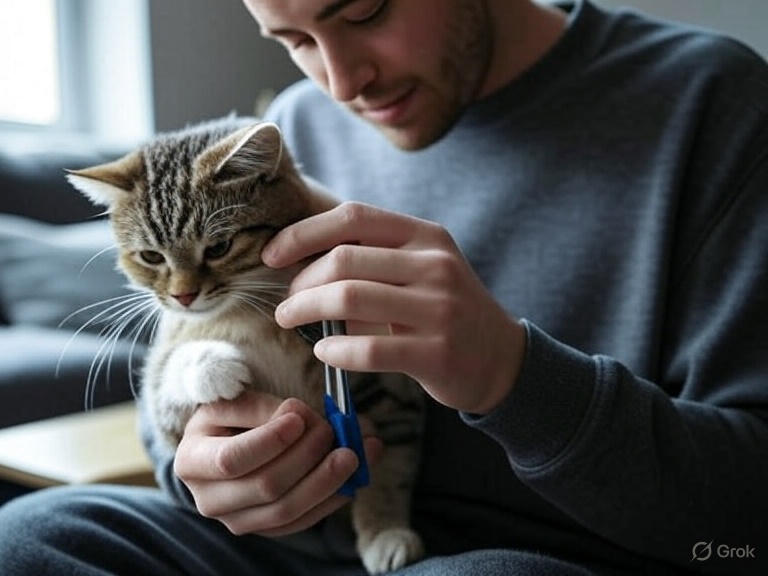
Brushing removes loose fur and dead skin before they spread around your home. How often you brush depends on your pet’s coat type. Dogs and cats with long hair need daily brushing. Short-haired pets do fine with a few times a week.
Use the right brush for your pet’s coat. Slicker brushes work well for most long-haired pets. Short-haired pets do better with rubber curry brushes or bristle brushes. You don’t need expensive tools—basic brushes work just fine.
Brush your pet in a designated area, ideally outside or in a bathroom where dander can be easily cleaned up. This prevents dander from spreading to your whole house. Make brushing a fun bonding time with your pet.
Give Your Pet Regular Baths
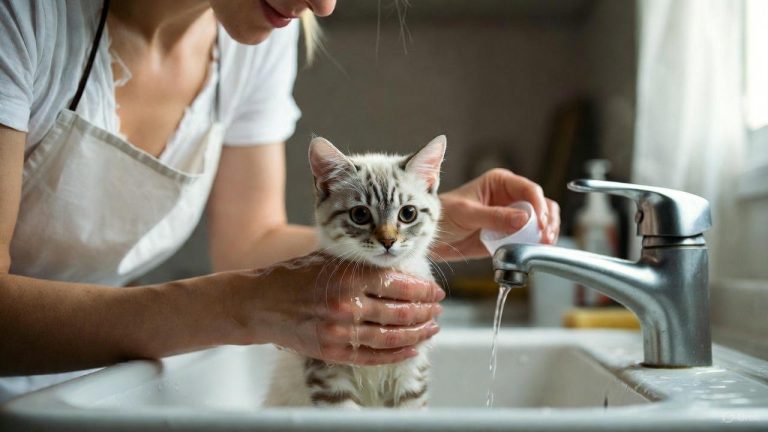
Bathing removes dander from your pet’s skin and coat. How often you bathe your pet depends on their breed and coat type. Most dogs do well with a bath every 4-8 weeks. Cats rarely need baths, but if you have a long-haired cat or a cat with skin problems, monthly baths help.
Use lukewarm water—not hot, as hot water dries out skin. Use a gentle pet shampoo, never human shampoo. Human products are too harsh for pets. Consider using a moisturizing shampoo if your pet has dry skin. These shampoos contain ingredients that help keep skin hydrated.
After the bath, dry your pet thoroughly with a towel. Some people use a low-heat pet dryer, which works great. Dampness can lead to skin issues, so make sure your pet is completely dry.
Use Specific Anti-Dander Shampoos
Medicated shampoos designed to reduce dander work really well. These shampoos contain ingredients that help remove dead skin cells more effectively than regular shampoo. Ask your vet which anti-dander shampoo they recommend for your pet.
Oatmeal-based shampoos are great for soothing dry skin. They’re gentle and effective. Shampoos with salicylic acid help remove flaky skin. Your vet can recommend the best option based on your pet’s skin condition.
Control Humidity Levels in Your Home
Dry air makes skin drier, which means more dander. In dry climates or during winter, humidity drops significantly. Low humidity directly causes your pet to shed more skin cells.
Add Moisture to the Air
A humidifier adds water to the air, keeping your pet’s skin from getting too dry. A bedroom humidifier works fine, or you can get a whole-house humidifier. Aim to keep humidity between 40-60 percent. This range is comfortable for both you and your pets.
Run your humidifier especially during winter or in very dry climates. Even a few hours a day can make a difference. Many people notice their pet’s dander reduces significantly once they start using a humidifier regularly.
Avoid Over-Drying
While you want to keep your home at a comfortable temperature, excessive heating dries out the air. Try to keep heating moderate. In winter, using multiple space heaters throughout your home dries the air more than a central heating system.
Clean Your Home Thoroughly and Regularly
Even if you reduce dander production, you still need to clean dander that’s already in your home. Regular cleaning removes dander before it builds up.
Vacuum the Right Way
Not all vacuuming is equal when it comes to dander. Regular vacuums miss a lot of dander because it’s so fine and light. A HEPA filter vacuum does a much better job. HEPA filters trap tiny particles like dander that regular filters let through.
Vacuum high-traffic areas at least twice a week. Vacuum under furniture where dander collects. Don’t forget stairs and corners. When you vacuum, move slowly so the vacuum has time to pull in the dander.
Some people vacuum in the morning before dander settles in the air. Others vacuum when pets are in a different room. This prevents the pet from stirring up dander while you clean.
Wash Bedding Frequently
Pet dander accumulates on bedding quickly. If your pets sleep on your bed, wash your sheets at least twice a week. Pet beds should be washed weekly. Use hot water when possible, as heat helps remove dander more effectively.
Dry bedding on high heat if your dryer allows it. The heat helps kill dust mites that feed on dander. If you’re allergic to dander, washing bedding frequently makes a huge difference in how you sleep.
Use Air Purifiers
Air purifiers with HEPA filters remove dander from the air. They pull floating dander particles out of the air before you breathe them. Put an air purifier in your bedroom and living room—the areas where you spend the most time.
Leave the air purifier running during the day and while you sleep. Some people run them 24/7. Quality air purifiers really help reduce airborne dander. You’ll need to change the filter regularly according to the manufacturer’s instructions.
Clean Furniture and Upholstery
Dander sticks to fabric. Couches, chairs, and curtains all trap dander. Vacuum furniture regularly using your HEPA vacuum. Use an upholstery brush to loosen dander before vacuuming.
For deeper cleaning, use a furniture steamer or hire a professional upholstery cleaner. Steam helps remove embedded dander. Washable furniture covers protect your furniture and can be cleaned easily. Just throw them in the wash weekly.
Don’t Forget About Walls and Ceiling Fans
Dander settles on walls and ceiling fans too. Use a damp cloth to wipe down walls, especially in bedrooms. Ceiling fans should be cleaned regularly—they collect a lot of dander. Dust them with a damp cloth or use a ceiling fan cleaning brush.
Keep Pets Out of Certain Areas
One of the simplest ways to reduce dander is to limit where your pets can go in your home.
Make Bedrooms Pet-Free Zones
Since you spend hours sleeping in your bedroom, keeping pets out reduces your exposure to dander significantly. This is especially important if you’re allergic to dander. A pet-free bedroom helps you breathe easier at night and reduces dander on your bedding.
Use a baby gate or close the door to keep your pet out. Create a cozy sleeping area for your pet elsewhere in the house. Many pets adjust to this arrangement quickly.
Restrict Access to Other Areas
You don’t need to keep your pet out of your entire home. Just identify the areas where you spend the most time and want the least dander. Maybe that’s your office or reading nook. Keeping pets out of these spaces helps.
Designate a Pet Zone
Create a designated area where your pets spend most of their time. Make it comfortable and fun for them. Confining pets to certain areas makes cleaning easier and reduces dander spread throughout your home.
Choose Pet-Friendly Furniture and Flooring
The surfaces in your home affect how easily dander collects and can be cleaned.
Furniture Types Matter
Fabric furniture holds onto dander. Leather or vinyl couches are much easier to wipe clean. Microfiber fabric holds less dander than regular upholstery. If you’re buying new furniture, consider how easy it is to clean.
Furniture covers and throws protect your furniture from dander. Wash these covers regularly. They’re much cheaper to replace than a whole couch.
Flooring Makes a Difference
Hard flooring like tile, hardwood, or laminate is easier to clean than carpet. Dander doesn’t stick to hard floors as much as it does to carpet. If you’re replacing flooring, hard surfaces are easier to maintain when you have pets.
If you have carpet, vacuum it frequently with a HEPA vacuum. Consider area rugs instead of wall-to-wall carpet—they’re easier to clean. Washable rugs work great for pet homes.
Manage Humidity in Different Seasons
Humidity needs change throughout the year. Managing humidity seasonally helps control dander year-round.
Winter Dander Control
Winter brings cold, dry air that dries out your pet’s skin. Use a humidifier to add moisture to the air. Bathing your pet less frequently helps, as bathing removes natural oils from skin. However, if your pet has itchy, dry skin, a medicated shampoo might help more than less frequent bathing.
Keep your home heated but not excessively hot. Each degree of heating reduces humidity. Keeping your thermostat at a reasonable temperature helps.
Summer Dander Management
Summer usually brings more humidity, which is good for skin. However, air conditioning can dry out indoor air. If you use air conditioning heavily, consider running a humidifier in key areas.
The good news is that outdoor time helps pets in summer. Fresh air and sunshine improve skin health. Just make sure your pet doesn’t overheat.
Consider Your Pet’s Age and Health
Different pets have different needs when it comes to dander control.
Senior Pets
Older pets often develop drier skin. They might need more frequent baths with moisturizing shampoo. Senior pets benefit from supplements that support skin health. Consult your vet about anti-dander strategies for older pets.
Young Pets
Puppies and kittens have healthier skin usually, but they still shed dander. Good grooming habits started young help prevent dander problems later. Young pets that spend time outdoors tend to have healthier skin.
Pets with Health Conditions
Pets with allergies, thyroid problems, or other health conditions often have increased dander. Work with your vet to manage these conditions. Sometimes treating the underlying health issue solves the dander problem.
Nutrition Tips for Healthier Skin
Beyond basic quality food, specific nutrients help reduce dander.
Omega Fatty Acids
Fish oil supplements provide omega-3 and omega-6 fatty acids that keep skin healthy. Many pets see improvement within weeks. Your vet can recommend the right dosage for your pet’s size.
Probiotics
Gut health affects skin health. Probiotics support digestive health, which translates to better skin. Many pet probiotics are easy to add to food.
Vitamin E
Vitamin E supports skin health. Some pet foods contain it, but supplements provide extra support. Vitamin E helps keep skin from becoming too dry.
Coconut Oil
Some pet owners add small amounts of coconut oil to their pet’s food. It provides healthy fats and may help reduce dander. Start with tiny amounts and consult your vet before adding it.
When to Call the Vet
Sometimes dander is a sign of a health problem.
Signs You Need Vet Help
If your pet suddenly sheds a lot more dander than usual, see a vet. Excessive itching, red skin, hair loss, or scabs indicate a problem. Allergies, fungal infections, mites, and other conditions all cause increased dander.
If your pet has trouble eating or seems lethargic along with increased dander, get to the vet quickly. These signs indicate a more serious problem.
Create a Cleaning Schedule
Consistency beats occasional intense cleaning. A regular schedule keeps dander under control.
Daily Tasks
Brush your pet daily if they have long hair. Spot-clean furniture where your pet sits. Change water in pet water bowls.
Weekly Tasks
Vacuum your home with a HEPA vacuum, especially high-traffic areas. Wash pet bedding. Wipe down furniture with a damp cloth. Change air purifier filters if needed.
Monthly Tasks
Bathe your pet. Clean ceiling fans. Wash furniture covers. Deep clean carpets or rugs.
Every Few Months
Have your pet professionally groomed if you use a groomer. Deep clean upholstery with steam. Check humidifier performance and clean if needed.
Combination Approach Works Best
The truth is, no single solution completely eliminates pet dander. The best results come from combining multiple strategies. Healthy pet + regular grooming + proper humidity + good cleaning = minimal dander problems.
Start with the basics: better diet, regular brushing, and frequent bathing. See how much these help. Add a humidifier and air purifier next. Then tackle your cleaning routine with HEPA vacuums and frequent washing.
You’ll see results within a few weeks. Your allergies might improve, your home will smell fresher, and you’ll spend less time cleaning.
Final Thoughts
Living with pets doesn’t mean suffering from excessive dander. You have many options to reduce it. Some strategies are simple and cost nothing—like brushing your pet daily or opening a window for fresh air. Others involve small investments—like a good HEPA vacuum or humidifier.
The key is consistency. Make dander control part of your regular routine. Your pet stays healthy, your home stays cleaner, and everyone breathes easier. That’s worth the effort.
Start today with one or two changes. Pick the strategies that seem easiest for you. Add more as you go. Soon you’ll find the combination that works for your home and your pets. You might be surprised how much better things get when you take action against pet dander. Your lungs and your furniture will thank you.

Hi, I’m Mary, the founder of PetGadgetPro.com. I’m a passionate pet lover with a special place in my heart for dogs and cats. I share practical advice and honest insights on pet gear to help pet parents make better choices. My dedicated research team studies products in depth, and our writers create reviews using trusted, authentic sources—so you can feel confident choosing the best for your pets.