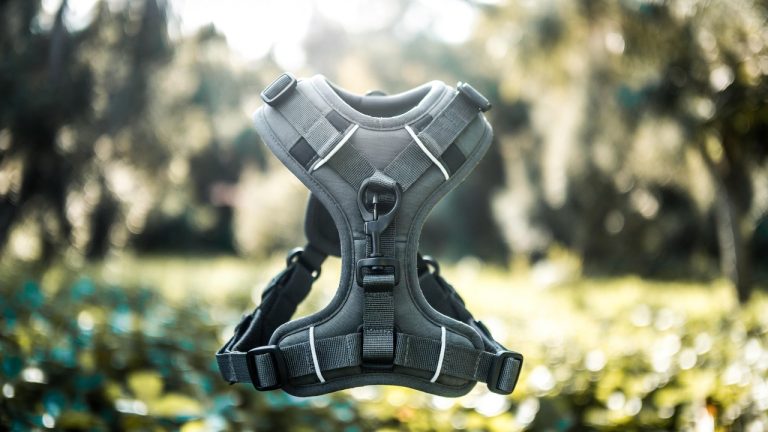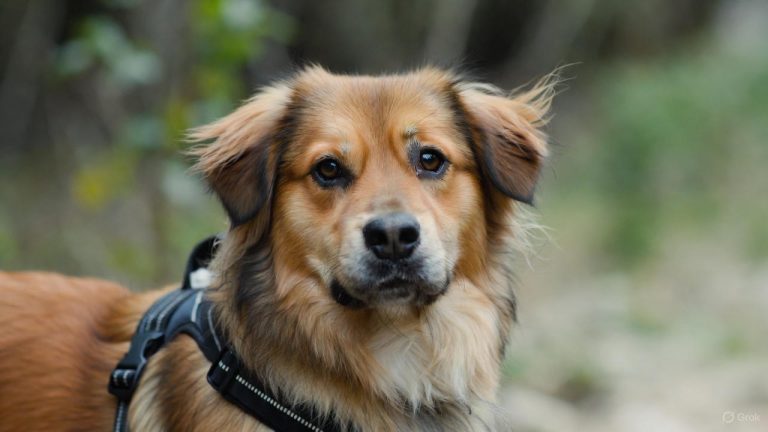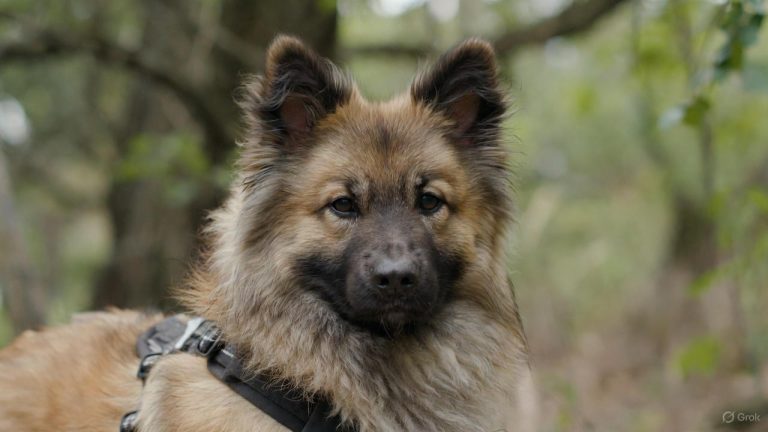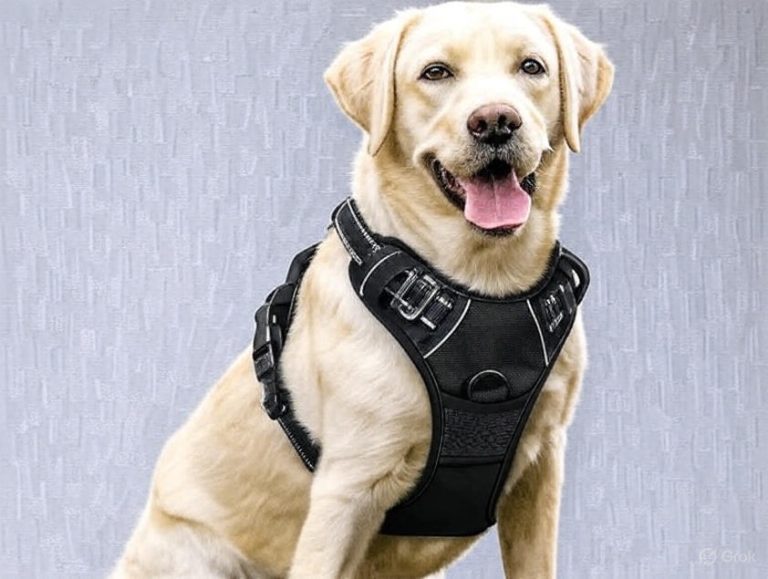
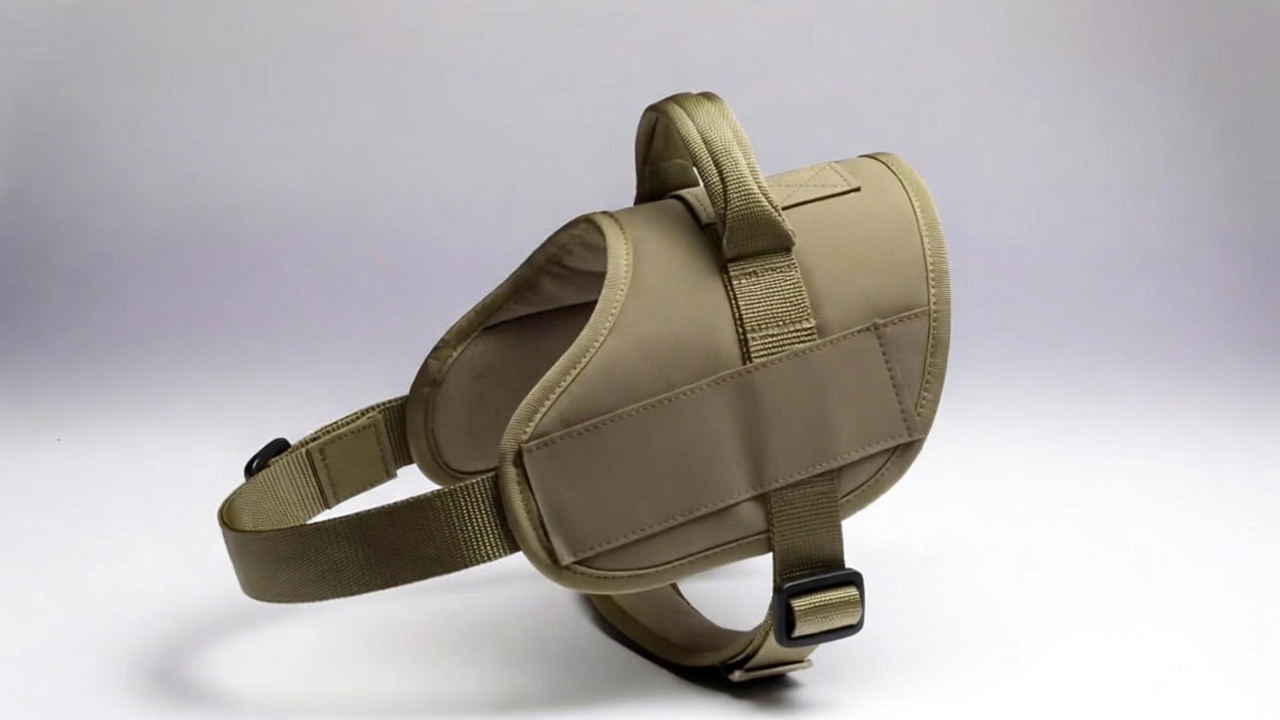
5 Best Harness for Aggressive Dogs In 2026
Walking an aggressive dog can feel like wrestling with a freight train. You need the right gear to keep both you and your pup safe. Let’s talk about dog harnesses that actually work when your four-legged friend gets reactive.
Why Your Aggressive Dog Needs a Special Harness
Regular collars won’t cut it with aggressive or reactive dogs. When your dog lunges at another animal or person, a collar puts dangerous pressure on their neck. This can damage their throat and make the behavior worse.
A good harness spreads that pulling force across their chest and shoulders. This gives you better control without hurting your dog. The right harness can be the difference between a nightmare walk and a manageable one.
Aggressive dogs need more than just any harness though. You want something that won’t slip off when they twist and pull. It should have strong attachment points and give you extra ways to guide your dog safely.
What Makes a Harness Good for Aggressive Dogs
Before we jump into specific products, let’s talk about what actually matters. Not all harnesses can handle a reactive dog’s strength and sudden movements.
Strong materials come first. Cheap nylon tears easily. You need reinforced stitching and tough fabric that won’t rip when your dog pulls hard.
A front clip helps stop pulling. When the leash attaches to their chest instead of their back, it turns them sideways when they lunge. This gives you back control.
Handles on top save the day. If another dog appears suddenly, you can grab that handle and steer your dog away fast.
Proper fit prevents escapes. Aggressive dogs learn to back out of loose harnesses. You need multiple adjustment points to get a snug, escape-proof fit.
Padding protects their skin. When a dog pulls constantly, a thin harness rubs them raw. Good padding keeps them comfortable even during tough walks.
Product Reviews: The Best Options for Aggressive Dogs
Let’s look at five harnesses that can handle reactive and aggressive dogs. Each one has different strengths.
1. Ruffwear Flagline Dog Harness – The Adventure-Ready Option
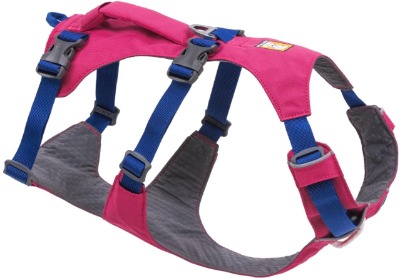
This harness looks simple, but don’t let that fool you. Ruffwear makes gear for working dogs and serious outdoor adventures.
What It Is
The Flagline is a minimalist harness made from strong webbing. It has a Y-shape on the chest and two leash attachment points. The whole thing weighs just a few ounces, so your dog barely notices it.
Best For
Active dogs that pull hard on trails and during runs. If your aggressive dog also loves hiking, this harness won’t slow them down. It works great when you need something lightweight that still gives control.
Key Features That Matter
The dual attachment system lets you clip your leash to the front or back. For aggressive dogs, that front clip is your best friend. It redirects lunging without harsh corrections.
Reflective trim runs along all the edges. When you walk early morning or evening, cars can see your dog clearly. This matters when you’re trying to avoid other dogs in low light.
The reinforced webbing won’t fray or tear. Even big, strong dogs can’t destroy this material easily. It dries fast too, so rain and mud won’t turn it into a soggy mess.
Real-Life Performance
This harness shines during outdoor activities. The lightweight design means dogs accept it without fuss. When your aggressive dog spots a trigger, the front clip turns them back toward you.
The handle placement isn’t the biggest, but you can still grab it in emergencies. Some people wish it had more padding for dogs that pull constantly during every walk.
Honest Pros
- Super lightweight and breathable
- Dries quickly after rain or water exposure
- Front clip gives excellent redirect control
- Tough enough for strong pullers
- Minimal bulk under your dog’s legs
- Easy to throw in a bag for trips
Real Cons
- Less padding than some other options
- Handle could be larger for better grip
- Price sits on the higher end
- Might not fit bully breeds perfectly
- No pockets or extra attachment points
Worth Your Money?
You pay more for Ruffwear quality, but it lasts. If you want a harness that works for both regular walks and outdoor adventures, this one delivers. Dogs that pull moderately will do great with it. For constant heavy pulling, you might want more padding.
2. Jack & Bully Dog Harness – The Comfortable Daily Walker
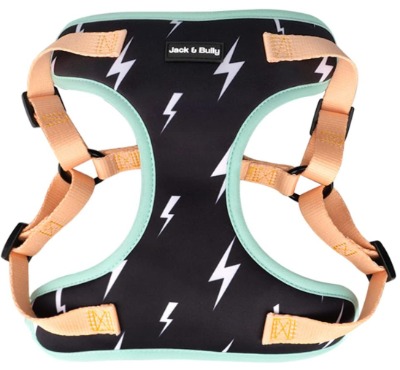
This harness focuses on comfort and easy wear. It’s made specifically for dogs with broad chests and short legs.
What It Is
A step-in vest style harness with soft neoprene material. Your dog steps into it, then you clip it closed on top. The vest design covers more of their chest and belly than thin strap harnesses.
Best For
Bulldogs, pugs, and other bully breeds with thick necks and barrel chests. Also great for any reactive dog that needs daily walks in neighborhoods or parks. The soft material works well for dogs with sensitive skin.
Key Features That Matter
The neoprene material has some give to it. This means it moves with your dog instead of rubbing them wrong. The inside has breathable mesh, so your dog won’t overheat on warm days.
You can adjust both the chest and neck openings. This helps you get a fit that won’t slip off when your dog backs up suddenly. The vest shape spreads pulling pressure across a wider area than thin straps.
Bright color options make your dog visible. This helps you keep distance from other dogs and people during walks.
Real-Life Performance
Dogs seem to like how this harness feels. The soft material doesn’t dig in like thin straps do. Step-in design makes putting it on fairly easy, even with wiggly dogs.
For aggressive dogs that lunge hard, the vest does a decent job. It stays in place better than many other harnesses. The control isn’t as precise as harnesses with front clips though.
Honest Pros
- Very comfortable for all-day wear
- Step-in style is easier than overhead designs
- Good for dogs with thick necks
- Breathable mesh prevents overheating
- Soft on skin for sensitive dogs
- Stays in place during pulling
- Machine washable
Real Cons
- No front clip for redirect training
- Handle is small and hard to grab quickly
- Not ideal for very large or strong dogs
- Vest can bunch up under short legs
- Dries slowly when wet
Worth Your Money?
This harness costs less than premium options but still works well for medium-sized reactive dogs. If your dog has a bully breed body type, the fit will likely be perfect. Just know you won’t get advanced control features like front clips.
3. OneTigris Large Tactical Dog Harness – The Heavy-Duty Controller
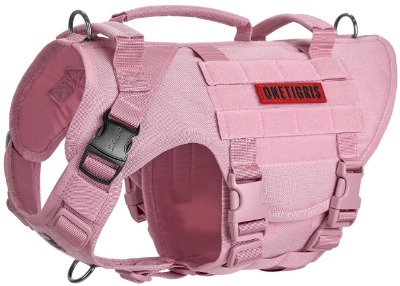
This harness means business. It looks like something a police dog would wear.
What It Is
A military-style harness made from thick nylon with heavy-duty buckles and metal rings. It has a large handle on top and velcro panels for attaching patches or ID labels.
Best For
Very large, strong dogs with serious aggression issues. If your dog can overpower you during lunges, this harness gives you the control you need. Also great for working dogs or protection training.
Key Features That Matter
The handle on top is massive and padded. You can grab it with both hands if needed. This gives you immediate control when another dog appears suddenly.
Metal D-rings sit in two spots – front and back. Both are welded, not sewn, so they won’t break loose. You can attach leashes, training lines, or seat belt clips securely.
The whole harness uses military-grade materials. Think thick webbing, reinforced stitching at stress points, and buckles that take serious force to open. Your dog won’t escape from this.
Real-Life Performance
This harness handles powerful dogs without issue. The materials don’t stretch or weaken even after months of hard pulling. That big handle becomes your emergency brake.
Getting it on takes practice. There are several straps to adjust and buckle. Once fitted properly though, it stays put through the most intense reactions.
Some dogs find it bulky at first. The thick materials add weight and restrict movement slightly compared to lighter harnesses.
Honest Pros
- Built like a tank
- Massive handle for quick control
- Front and back leash attachments
- Perfect for very large breeds
- Velcro panels for customization
- Won’t break during extreme pulling
- Distributes pressure well
Real Cons
- Heavy and bulky design
- Takes time to put on correctly
- Not comfortable for all-day wear
- Overkill for small or medium dogs
- Can restrict natural movement
- Doesn’t dry quickly
Worth Your Money?
If you have a large, powerful, aggressive dog, this harness is worth every penny. The control and security it provides is unmatched. For smaller dogs or less serious reactivity, it’s more harness than you need.
4. Core Dog Harness – The All-Weather Workhorse
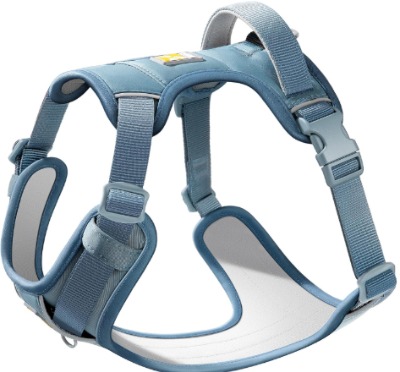
This harness tries to do everything well. It has features for control, comfort, and convenience.
What It Is
A well-padded harness with a top handle, front pocket, and special antimicrobial fabric lining. It’s designed for dogs that need serious walks in all types of weather.
Best For
Dogs that need daily training walks plus regular exercise. If you’re working on behavior modification with your aggressive dog, this harness has the features to help. The pocket lets you carry treats and supplies.
Key Features That Matter
The silver ion fabric inside fights bacteria and odors. When your dog sweats during intense walks, this keeps the harness from getting smelly. The outer shell resists tearing and weather damage.
Padding covers all the straps that touch your dog. This prevents rubbing even during long training sessions. The handle has extra padding too, so it won’t cut into your hand during sudden grabs.
The front pocket holds treats, poop bags, or your phone. This keeps your hands free for leash management. Reflective stitching covers multiple areas for visibility.
Real-Life Performance
This harness balances features nicely. The padding makes dogs comfortable, while the handle gives solid control. That front pocket is surprisingly useful during training walks.
The materials hold up to regular abuse. Rain, mud, and constant pulling don’t break it down quickly. Some dogs with unusual body shapes have trouble getting the right fit though.
Honest Pros
- Excellent padding on all pressure points
- Antimicrobial lining fights odors
- Convenient pocket for supplies
- Strong handle for control
- Weather-resistant materials
- Reflective safety features
- Multiple adjustment points
Real Cons
- Sizing can be tricky
- Heavier than minimal designs
- Pocket isn’t huge
- Takes time to adjust properly
- More expensive than basic options
Worth Your Money?
The Core harness sits in the mid-to-high price range. You get a lot of features for that money. If you walk your dog daily and work on training, those extras add real value. For occasional use, simpler harnesses work fine.
5. Lucy & Co. The Simply Splendid No-Pull Harness – The Training Specialist
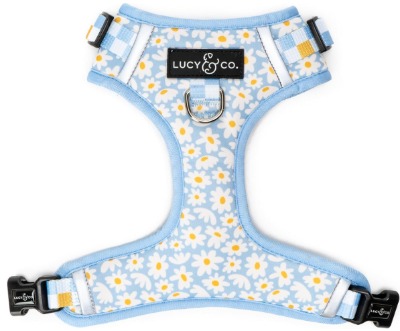
This harness focuses on one job: stopping pulling behavior through smart design.
What It Is
A vest-style harness with a focus on the front chest clip. It’s designed specifically to discourage pulling and help train better leash manners.
Best For
Dogs learning not to pull during walks. If your aggressive dog’s reactivity connects to excitement and lack of impulse control, this training-focused harness helps teach better behavior.
Key Features That Matter
The front clip placement is optimized for turning dogs sideways when they pull. This naturally discourages the behavior without causing pain or discomfort.
Adjustable straps at both chest and neck let you dial in the fit. A proper fit means your dog can’t back out when they get reactive. The vest distributes pressure across their body instead of concentrating it.
Soft materials feel comfortable during training sessions. Your dog won’t fight wearing it, which helps them focus on learning instead of being uncomfortable.
Real-Life Performance
Dogs that pull from excitement respond well to this harness. The front clip really does reduce pulling once you use it consistently. For aggressive lunging, it helps but doesn’t replace good training.
The vest stays in place during normal pulling. Extreme thrashing and twisting can shift it though. You need to check the fit regularly to keep it escape-proof.
Honest Pros
- Front clip effectively reduces pulling
- Comfortable soft materials
- Good adjustability for different shapes
- Affordable price point
- Lightweight and easy to wear
- Works well with positive training
- Machine washable
Real Cons
- Not built for heavy-duty use
- Handle is tiny and hard to use
- Won’t hold up to extreme aggression
- Limited size options
- Straps can loosen over time
- Not ideal for very muscular dogs
Worth Your Money?
This harness costs less than premium options and works well for its purpose. If your dog’s aggression is mild to moderate and you’re actively training, it’s a solid choice. For severe cases or very strong dogs, invest in heavier-duty options.
Side-by-Side Comparison: How They Stack Up
Each harness has strengths for different situations. Here’s how they compare on what matters most.
Durability Rankings
The OneTigris tactical harness wins on toughness. Nothing beats those military-grade materials. The Ruffwear Flagline comes second with its reinforced webbing. The Core harness sits in the middle with good weather-resistant materials.
The Jack & Bully and Lucy & Co harnesses work fine for normal use but won’t survive extreme abuse as long.
Control Features
For redirecting aggressive lunges, the Ruffwear Flagline’s front clip works best. The OneTigris gives you the most physical control with its massive handle. The Core harness balances both features decently.
The Jack & Bully offers less precise control, while the Lucy & Co focuses mainly on teaching non-pulling rather than emergency management.
Comfort Levels
The Jack & Bully wins for all-day comfort with soft neoprene. The Ruffwear Flagline is comfortable through light weight rather than padding. The Core harness padding protects well during longer sessions.
The OneTigris prioritizes control over comfort – it works but feels bulkier. The Lucy & Co sits in the middle.
Best Value
The Lucy & Co costs least but still delivers training value. The Jack & Bully gives great comfort per dollar for bully breeds. The OneTigris costs more but will literally last for years.
The Ruffwear and Core harnesses cost the most but include premium features and materials that justify the price for serious users.
Size Range
The OneTigris handles the largest, most powerful dogs. The Ruffwear works for medium to large active breeds. The Core and Lucy & Co cover typical medium-sized dogs well.
The Jack & Bully specializes in bully breeds and stocky body types.
Complete Buying Guide: Getting the Right Harness
Walking into a pet store to buy a harness can feel overwhelming. Dozens of options all claim to be perfect. Here’s what actually matters.
Measure Your Dog Correctly
Get a soft measuring tape. Measure around the widest part of your dog’s chest, right behind their front legs. Measure their neck where a collar sits. Write down both numbers.
Check each harness’s size chart carefully. Sizes aren’t standard between brands. A medium in one brand might fit like a large in another.
When measurements fall between sizes, go bigger for aggressive dogs. You can tighten straps, but you can’t add material.
Test the Fit
You should fit two fingers between the harness and your dog’s body. Tighter than that restricts breathing and movement. Looser lets them escape.
Check that the chest strap doesn’t sit on their throat. It should rest on their chest below the neck. The back strap shouldn’t slide down toward their hips.
Walk your dog around the house before hitting the streets. Watch for rubbing, slipping, or restriction. A good harness moves naturally with your dog.
Think About Your Specific Situation
If your dog reacts to other dogs but walks calmly otherwise, you need good control features more than extreme durability. A front clip and decent handle will serve you well.
If your dog pulls constantly with serious strength, durability and padding become priorities. You need materials that won’t fail and won’t hurt your dog.
If you’re actively training your dog, look for features that support learning. Front clips help teach not to pull. Multiple adjustment points let you fine-tune as behavior improves.
Consider the Attachment Points
Front clips redirect pulling dogs back toward you. This works great for training and controlling lunges. It’s harder for dogs to pull you when the force turns them sideways.
Back clips work better for dogs that walk nicely. They let the dog move more naturally. For aggressive dogs, use the front clip until behavior improves.
Some harnesses have both options. This versatility helps as your dog learns better manners.
Don’t Forget the Handle
A handle on top of the harness is non-negotiable for aggressive dogs. When a trigger appears suddenly, you need immediate control.
Test the handle before buying. Can you grab it easily? Is it padded enough to not hurt your hand? Is it positioned where you can reach it quickly?
Small, thin handles look nice but fail when you need them most. A chunky, obvious handle works better.
Material Matters
Nylon webbing is standard and works fine for most dogs. Look for reinforced stitching at stress points. Cheap nylon tears at the seams when dogs pull hard.
Neoprene offers more comfort and stretch. It’s great for dogs with sensitive skin but not as tough as webbing for extreme pullers.
Tactical-grade materials resist everything but cost more. If your dog has destroyed other harnesses, invest in these heavy-duty options.
Avoid thin, flimsy materials. They won’t survive aggressive behavior and can break at dangerous moments.
Think Long-Term
Cheap harnesses seem like good deals until they break in three months. You end up buying several per year. A quality harness costs more upfront but lasts years.
Good warranties show confidence in quality. Brands that stand behind their products replace defective gear.
Who Should Buy Each Harness
Not every harness suits every situation. Here’s who benefits most from each option.
Get the Ruffwear Flagline If:
You have an active, outdoorsy dog that also shows aggression. Your dog needs a harness for hiking, running, and daily walks. You want something lightweight that still gives control. You don’t mind paying more for quality gear that lasts.
Get the Jack & Bully If:
Your dog is a bulldog, pug, Boston terrier, or similar bully breed. They have a thick neck, broad chest, and short legs. Comfort matters more than tactical features. You want something easy to put on daily. Your budget sits in the mid-range.
Get the OneTigris If:
Your dog is large, powerful, and has serious aggression issues. Other harnesses haven’t survived their strength. You need maximum control during walks. The bulky design doesn’t bother you or your dog. You’re willing to invest in gear that handles extreme situations.
Get the Core Harness If:
You walk your dog daily in various weather. You want multiple useful features in one harness. Training walks require treats and supplies handy. You need something that balances comfort, control, and durability. Mid-to-high price range works for your budget.
Get the Lucy & Co If:
Your dog’s aggression is mild to moderate. You’re actively training better leash manners. Budget matters and you can’t spend a lot. Your dog isn’t large or extremely strong. You want something simple that focuses on reducing pulling.
Common Mistakes That Make Things Worse
People make the same errors when dealing with aggressive dogs and harnesses. Avoid these problems.
Buying the Wrong Size
Too loose lets dogs escape during reactions. Too tight causes pain and makes aggression worse. Many people guess at size instead of measuring. Always measure your dog and check size charts carefully.
Using a Back Clip
Clipping your leash to your dog’s back gives them maximum pulling power. It’s like attaching a sled harness. For aggressive dogs, this makes control nearly impossible. Use front clips until behavior improves.
Skipping Fit Adjustments
Harnesses arrive with generic settings. You must adjust every strap to fit your dog. Check the fit regularly too. Weight gain or loss changes how a harness sits. Straps also loosen over time.
Forgetting Handle Practice
That top handle saves you during emergencies – but only if you practice using it. In calm moments, grab the handle and guide your dog. This teaches them what it means and prepares you for real situations.
Cheap Material Shortcuts
Aggressive dogs destroy cheap gear. That discount harness might last three walks. Then it breaks when you need it most. Quality materials protect both you and your dog.
Ignoring Wear and Tear
Inspect your harness regularly. Check stitching, straps, and buckles. Small problems become dangerous failures. Replace harnesses when they show significant wear.
Expecting Magic Solutions
No harness fixes aggression by itself. These tools help you manage behavior safely while you train. Combine the right harness with proper training, patience, and sometimes professional help.
Using It Wrong
Read instructions. Some harnesses have specific ways to put them on. Wrong application reduces effectiveness and can injure your dog. Take time to learn proper use.
Making Your Final Decision
You’ve read about five different harnesses. Now you need to pick one.
For Most Aggressive Dogs
The OneTigris tactical harness handles serious situations best. Yes, it’s bulky and costs more. But it won’t fail when your dog lunges at another animal. The control it provides keeps everyone safer.
If your dog is medium-sized and not extremely strong, the Core harness balances features well. You get control, comfort, and useful extras without going full tactical.
For Active Families
The Ruffwear Flagline works perfectly for dogs that need both control during walks and comfort during adventures. It won’t slow down a dog that loves outdoor activities. The front clip handles reactive moments well.
For Bully Breeds
The Jack & Bully harness is designed for your dog’s body type. The comfort and fit make daily walks easier. Just pair it with good training since the control features are basic.
For Budget-Conscious Training
The Lucy & Co harness costs less but still helps teach better behavior. If you’re working with a trainer and your dog isn’t dangerously aggressive, this option lets you invest money in training instead of gear.
The Bottom Line
The best harness for your aggressive dog depends on their size, strength, and specific behavior. It also depends on your walking environment and training goals.
For serious aggression with large dogs, don’t mess around. Get the OneTigris and have confidence it won’t fail. For moderate issues, the Ruffwear or Core harnesses provide excellent control with better comfort.
Match the tool to your actual needs. An overpowered harness is better than an underpowered one when dealing with aggressive behavior.
Final Thoughts on Safe Walking
Aggressive dogs challenge us, but they deserve safe walks too. The right harness makes those walks possible. It protects your dog, other animals, and people you encounter.
No harness replaces proper training. Work with a qualified trainer who understands aggression. Use your harness as a management tool while you address the root causes of reactive behavior.
Good equipment costs money. It’s money well spent when it prevents injuries and gives you confidence to work with your dog. A quality harness is an investment in your dog’s future.
Every dog deserves the chance to improve. With the right tools and commitment, many aggressive dogs can learn better behaviors. Start with a harness that keeps everyone safe during the learning process.
Your aggressive dog isn’t bad. They’re scared, overstimulated, or poorly socialized. They need your patience and the right equipment. Give them both, and watch what becomes possible.
The walk that seems impossible today can become enjoyable with time, training, and the right harness. Start with safety, work toward progress, and celebrate small victories. Your dog is counting on you to keep them safe while they learn to navigate the world.
Pick the harness that fits your situation. Use it consistently. Train patiently. Your relationship with your dog will grow stronger, and those walks will get easier. That’s worth every penny you invest in the right gear.
Hi, I’m Mary, the founder of PetGadgetPro.com. I’m a passionate pet lover with a special place in my heart for dogs and cats. I share practical advice and honest insights on pet gear to help pet parents make better choices. My dedicated research team studies products in depth, and our writers create reviews using trusted, authentic sources—so you can feel confident choosing the best for your pets.